

The Authority in Global Agricultural Chemistry & Bio-Resources
China Reopens Access to Brazilian Feed Protein Imports
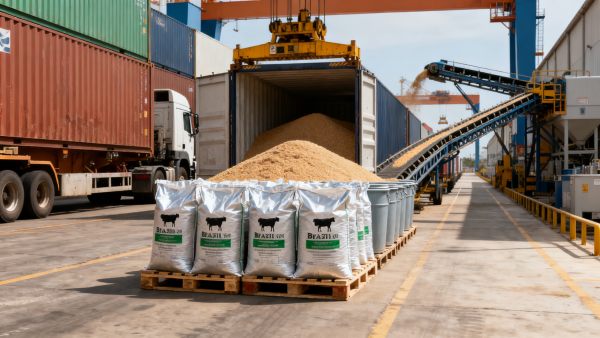
On May 29, 2026, China announced the removal of its import ban related to foot-and-mouth disease in Brazil, reopening market access for commercial feed protein materials made from Brazilian beef by-products, including meat and bone meal and spray-dried plasma protein. For feed importers, raw material buyers, processors, and overseas distributors, this matters not only because it may ease a temporary tightness in China’s higher-end feed ingredient supply, but also because it may reshape allocation across the wider Commercial Feed Pellet supply chain.
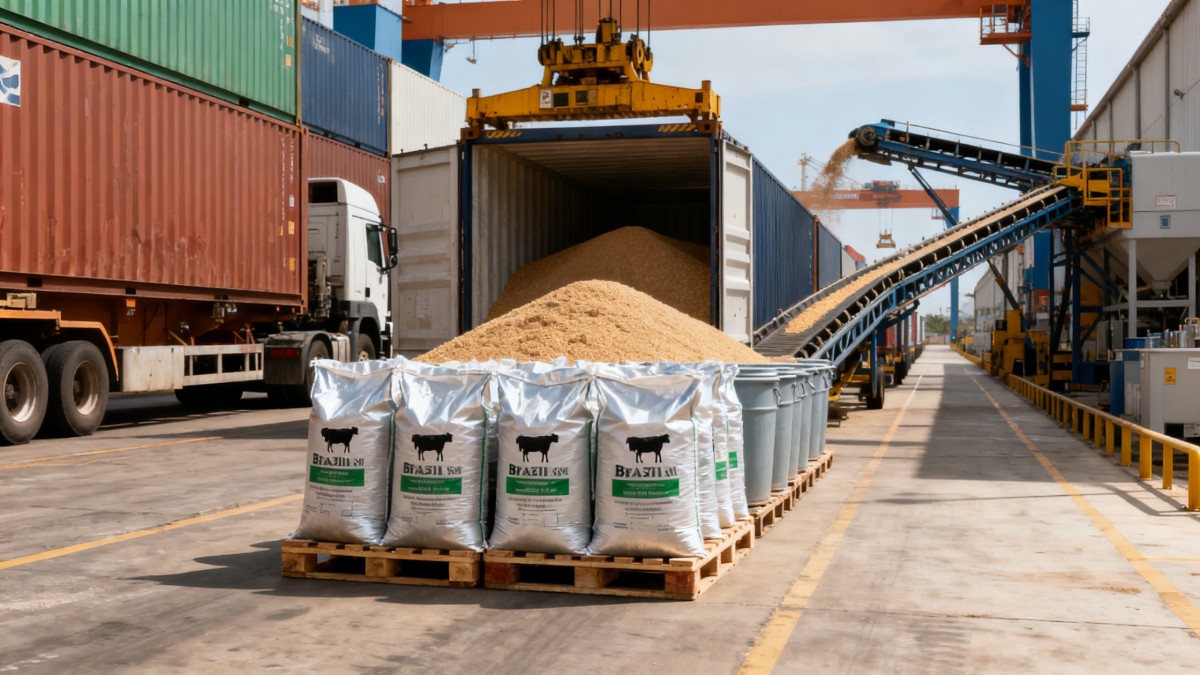
What the Policy Change Confirms
The confirmed development is that, according to a Ministry of Commerce announcement dated May 29, 2026, China formally lifted the import restriction linked to foot-and-mouth disease in Brazil. This clears the way for commercial feed protein products derived from Brazilian beef by-products to re-enter the Chinese market.
The materials specifically referenced in the provided information include meat and bone meal and plasma protein powder. The same information also indicates that the reopening removes a key barrier for these products to resume access to China.
Where the Supply Chain May Feel the Shift First
Import demand is likely to return to procurement desks first
From an industry perspective, direct trading companies and raw material procurement teams are the first groups likely to feel the effect. The reason is straightforward: once market access reopens, procurement planning can shift from substitute sourcing back toward Brazilian-origin animal protein inputs. The main business impact may appear in sourcing decisions, supplier engagement, and purchase timing.
What deserves closer attention is whether renewed buying interest from China changes the pace and structure of import negotiations, especially for feed-grade protein products tied to higher-end formulations.
Brazilian suppliers may see allocation pressure across export markets
Analysis shows that Brazilian manufacturers could benefit from higher capacity utilization after Chinese importers restart purchases. At the same time, the provided information suggests this may indirectly reduce the export allocation available to third-country markets such as Southeast Asia and the Middle East.
For exporters and overseas channel partners, the key business issue is not only demand recovery in China, but also whether customer allocation across regions becomes tighter than before.
Distributors and downstream buyers may need to reassess supply stability
For distributors and downstream users outside China, the relevant impact may appear in supply continuity and replacement planning. Observably, if more Brazilian output is redirected toward China, buyers in other regions may need to revisit how much they rely on South American animal protein materials and how quickly alternatives can be arranged if allocations narrow.
What Companies Should Watch Now
Separate policy reopening from actual shipment execution
Analysis shows that the policy signal and real transaction flow should not be treated as the same thing. Companies should pay attention to how the reopening is reflected in practical trade arrangements, documentation review, and order execution before assuming supply has fully normalized.
Focus on the affected product categories
What deserves closer attention is the group of products specifically tied to Brazilian beef by-products, especially meat and bone meal and plasma protein powder. Businesses using these inputs should reassess procurement priorities, product mix exposure, and the timing of replacement purchases.
Review supplier readiness and paperwork consistency
For importers and supply chain service providers, a practical point is to verify supplier qualifications, trade documents, and execution readiness. Even when market access reopens, operational follow-through often depends on whether counterparties can align on paperwork, delivery expectations, and communication with customers.
Prepare for ripple effects in non-China markets
For distributors serving Southeast Asia, the Middle East, or other third markets, the immediate focus may be contingency planning. Observably, if Brazilian suppliers prioritize resumed China-bound demand, companies outside China may need to reassess replacement sources and customer communication plans rather than rely on previous allocation patterns.
Why This Looks Like More Than a Single Trade Update
Analysis shows that this development is not just about one restriction being lifted. It also acts as a supply chain signal for participants in Commercial Feed Pellet and related feed protein markets. The direct fact is market re-entry for certain Brazilian-origin materials; the broader implication, still requiring observation, is how quickly trade flows are rebalanced and which regions absorb the adjustment.
It is more appropriate to understand this as a near-term operational change with wider strategic implications, rather than as a fully settled long-term outcome. The policy move is clear, but the resulting shifts in supply allocation, procurement behavior, and regional availability still need to be watched.
How the Industry May Best Read This Development
At this stage, the most balanced reading is that China’s policy change may relieve some short-term pressure in selected higher-end commercial feed raw materials while also creating new questions for cross-regional supply allocation. For companies directly involved in feed protein trade, sourcing, distribution, and formulation, the real issue is not only renewed access, but how that access changes purchasing behavior and export balance across markets.
Rather than treating the development as a final market outcome, it is more appropriate to see it as a confirmed reopening that could trigger further adjustments across procurement and distribution channels.
Source Basis and Ongoing Verification
This article is based on the user-provided news title, event date, and event summary. For this type of industry update, relevant source categories typically include official announcements, company statements, industry association updates, authoritative media coverage, and standard-setting or regulatory documents.
No specific official source link was provided in the input, so the underlying announcement and any later implementation details still require continued verification. What should continue to be monitored includes any follow-up official wording, changes affecting product execution in trade practice, and signs of supply reallocation across China, Southeast Asia, the Middle East, and other related markets.
Related Intelligence
- Commercial Feed PelletFire Quickly Extinguished in Grinder Bin at Baiada’s Cardiff Feed Mill in AustraliaBaiada’s Cardiff feed mill fire was reportedly contained quickly. Explore grinder bin safety, restart uncertainties and key supply continuity checks for feed buyers.
- Commercial Feed PelletHow to Build a Sanitary Feed Production Plan That Reduces Cross-ContaminationSanitary feed production planning: reduce cross-contamination with smarter sequencing, validated flushing, material segregation, and traceable sanitation controls.
- Commercial Feed PelletFeed Pellet Mill Sourcing: How to Vet Suppliers for Capacity, Quality, and SupportFeed pellet mill sourcing made smarter: vet suppliers for proven capacity, pellet quality, lifecycle cost, factory controls, commissioning, and reliable after-sales support.
The Morning Broadsheet
Daily chemical briefings, market shifts, and peer-reviewed summaries delivered to your terminal.
