

The Authority in Global Agricultural Chemistry & Bio-Resources
Mozambique Wild Seafood Gains China Access
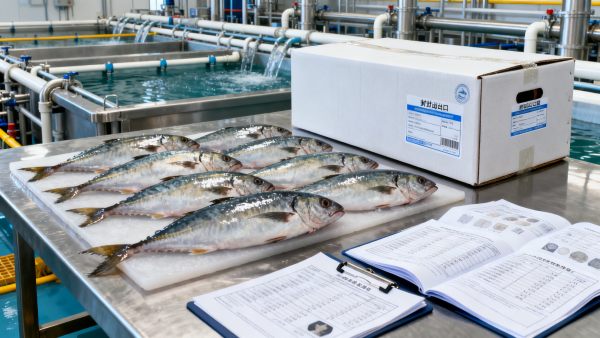
On May 9, 2026, China’s Ministry of Commerce and the General Administration of Customs jointly released a notice setting inspection and quarantine requirements for wild aquatic products from Mozambique entering the Chinese market. For seafood processors, feed ingredient buyers linked to recirculating aquaculture systems (RAS), Mozambique suppliers, and overseas RAS equipment providers, the development is worth watching because it connects a newly approved wild marine protein source with a domestic farming segment that is placing greater emphasis on digestibility, allergen profile, and ingredient compatibility.
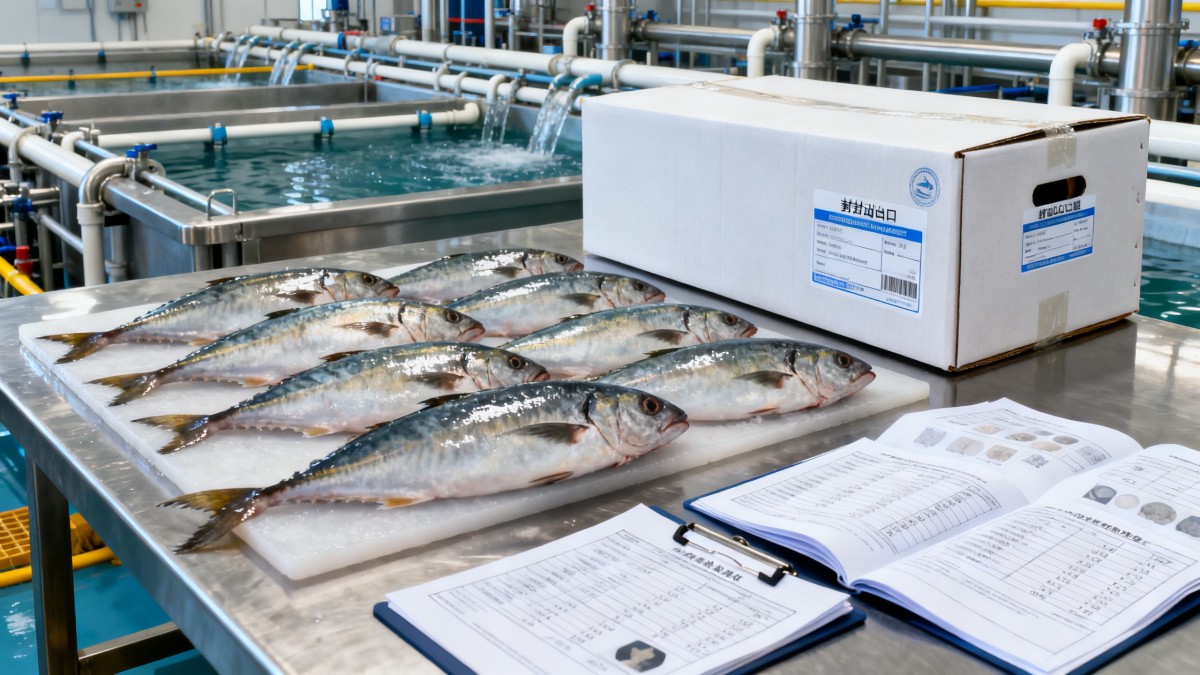
What the May 9 notice confirms
The confirmed fact is that Chinese authorities have clarified the inspection and quarantine requirements for Mozambique’s wild aquatic products exported to China. Based on the information provided, this means high-quality marine protein resources from Africa have formally entered the scope of China’s aquatic processing sector and the feed raw material system serving RAS operations. The same information also indicates that, as domestic RAS farming expands, demand is rising for wild fishmeal and fish oil with high digestibility and low allergen characteristics, and Mozambique suppliers are accelerating engagement with Chinese certification bodies.
Where the impact may emerge first
Raw material sourcing moves closer to compliance-led selection
From an industry perspective, procurement teams focused on aquaculture inputs may be affected first because the policy development is tied directly to import entry requirements. The practical impact is likely to appear in supplier screening, documentation checks, and ingredient qualification workflows rather than in broad market conclusions at this stage. What deserves closer attention is whether approved supply can be translated into procurement programs that match the compliance expectations of Chinese buyers.
Seafood processors and feed users gain a new point of reference
Processors and buyers connected to RAS feed applications may pay attention because the notice links Mozambique’s wild aquatic products with China’s processing and feed ingredient framework. Analysis shows that this is relevant not only for raw material availability, but also for how companies assess digestibility, allergen profile, and suitability for specific formulations or processing routes. At the business level, the impact is more likely to be seen in evaluation and validation work than in immediate volume changes.
RAS equipment suppliers may find a new cooperation path
For overseas RAS equipment manufacturers and system integrators, the provided information points to a dual-track opportunity centered on raw material compatibility verification and equipment customization. Observably, this does not mean guaranteed demand, but it does suggest that equipment-side suppliers may need to engage more closely with feed use scenarios, raw material characteristics, and customer testing requirements instead of focusing only on hardware delivery.
What companies should watch now
Separate market access from commercial execution
Companies should distinguish between the policy signal itself and actual business conversion. The notice confirms entry conditions, but operational follow-through still depends on supplier qualification, certification alignment, and customer acceptance in downstream purchasing and application processes.
Prioritize documents, certification, and communication timing
For Mozambique suppliers and Chinese buyers, immediate attention is likely to center on certification coordination with Chinese authorities or recognized institutions, as noted in the provided information. In practice, document readiness, consistency of product descriptions, and communication on compliance status may affect transaction timing more directly than broad market sentiment.
Link ingredient evaluation with system-side adaptation
For RAS-related businesses, one practical issue is whether ingredient characteristics can be translated into usable system configurations or feed application parameters. Analysis shows that companies positioned around equipment or integration may benefit more from joint validation workflows than from standard product pitches alone.
Track whether official wording leads to narrower implementation details
Another key point is to monitor whether the current official framework is followed by more specific operating interpretations in trade, certification, or customer procurement practice. What deserves closer attention is not only the announcement itself, but how different participants apply it in contracts, audits, and delivery planning.
Why this reads as a signal, not a finished outcome
Analysis shows that this development is better understood as a structured industry signal rather than a fully realized market result. It confirms regulatory opening and points to a closer connection between imported wild marine protein resources and China’s RAS-related feed demand. At the same time, the information provided does not establish actual trade volumes, long-term supply stability, or fixed procurement outcomes. That is why the industry still needs to watch how certification progress, buyer validation, and equipment-linked cooperation evolve.
How to read the development at this stage
It is more appropriate to understand this as an early but meaningful shift in the way seafood imports, feed inputs, and RAS support services may begin to intersect more closely. The immediate significance lies in clearer access conditions and in the possibility of new coordination between raw material suppliers and system-side service providers. A balanced reading is that the regulatory pathway is clearer, while the commercial depth of the opportunity still requires continued observation.
Basis of this article
This article is generated from the user-provided news title, event date, and event summary. Source types commonly relevant to this kind of development may include official notices, company disclosures, industry association updates, authoritative media coverage, and standards-related documents. The specific official source link was not provided in the input, so further verification is still needed. Follow-up attention should remain on any additional official wording, certification progress, and practical implementation by suppliers, buyers, and RAS-related service providers.
Related Intelligence
- RAS SystemsAquaculture Filter Installation Costs: Plumbing, Labor, and CommissioningUnderstand aquaculture filter installation cost, from plumbing and labor to commissioning. Compare complete project scopes, uncover hidden expenses, and budget confidently before you buy.
- RAS SystemsSustainable Aquaculture Practices That Cut Feed Waste and Protect Fish Farm Water QualitySustainable aquaculture for fish farms: reduce feed waste, protect water quality, and build resilient, efficient systems with practical strategies.
- RAS SystemsDrum Filter System Price: How Flow Rate, Micron Rating, and Automation Affect CostDrum filter system price depends on flow rate, micron rating, automation, materials, and lifecycle costs. Compare quotes confidently and choose the right system.
The Morning Broadsheet
Daily chemical briefings, market shifts, and peer-reviewed summaries delivered to your terminal.
