

The Authority in Global Agricultural Chemistry & Bio-Resources
New Phytosanitary Rules Speed African Chili Imports
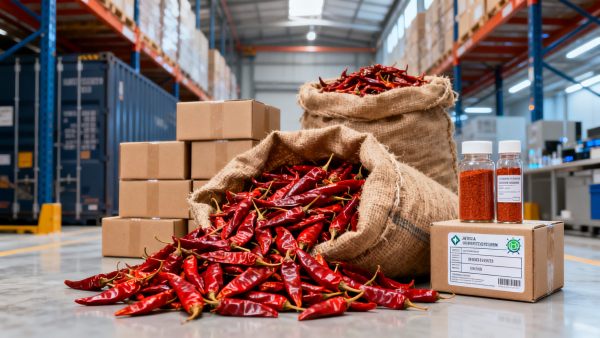
On April 28, 2026, a new notice clarified the phytosanitary requirements for African dried chili imports into China, making rapid aflatoxin B1 screening and blockchain traceability labels mandatory before shipment. While the rule raises the compliance threshold for exporters, it also introduces a green channel that cuts average customs clearance for compliant batches to 3.2 working days from the previous 7 to 10 days. This is especially relevant for Botanical Extracts businesses, raw material buyers, processors, and export-oriented suppliers serving the EU, Japan, and South Korea, because it directly affects supply stability and cost control for natural extract inputs such as capsaicin and carotenoids.
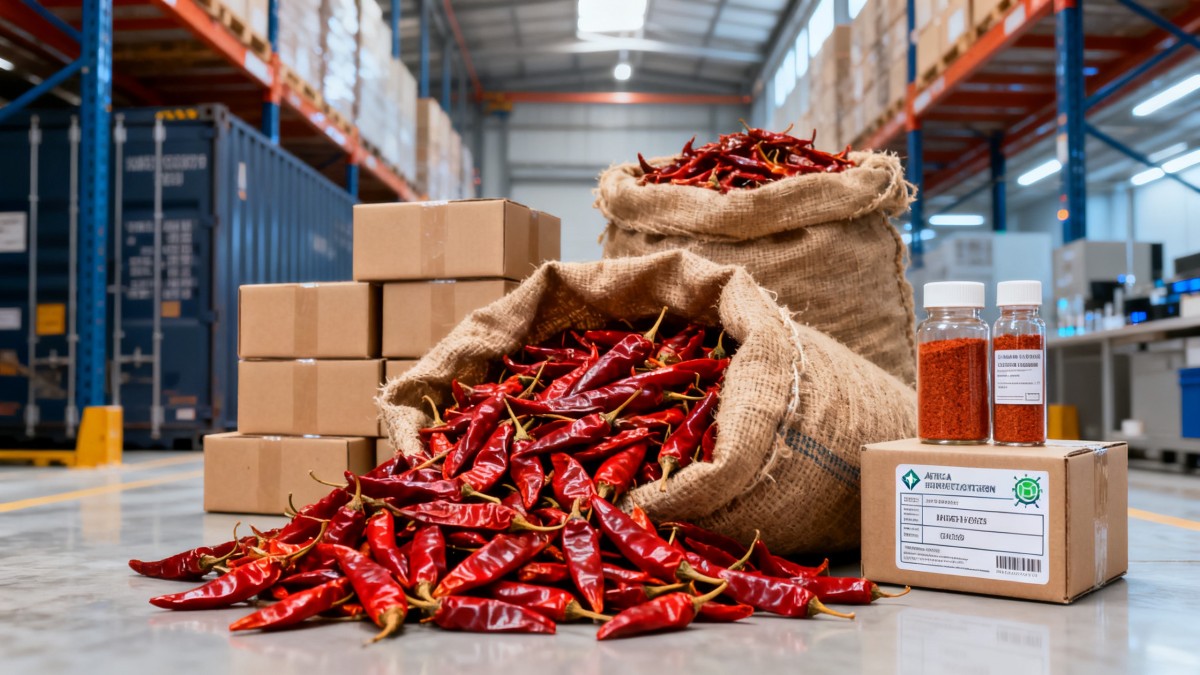
What the New Requirement Formally Changes
According to the information provided, the April 28, 2026 announcement sets out phytosanitary requirements for African dried chili entering China. For the first time, two items are listed as mandatory preconditions: rapid screening for aflatoxin B1 and the use of blockchain-based traceability labels.
The same update also opens a green channel for batches that meet the new requirements. For compliant shipments, the average customs clearance time is reduced to 3.2 working days, compared with the earlier range of 7 to 10 days.
The confirmed business implication in the source information is that, for Botanical Extracts companies, the supply stability and cost controllability of natural extract raw materials derived from African chili, including capsaicin and carotenoids, are strengthened.
Where the Immediate Impact Is Likely to Appear
Import traders face a higher front-end compliance threshold
From an industry perspective, direct trading companies are likely to feel the change first because the new rule moves key checks to the pre-shipment stage. The practical impact is concentrated in supplier qualification, document readiness, and shipment release planning. What deserves closer attention is whether each batch can meet both the rapid aflatoxin B1 screening requirement and the blockchain traceability label condition before customs-facing procedures begin.
Raw material buyers gain more predictability if compliance is stable
For procurement teams sourcing African dried chili for extract production, the shorter clearance window may improve planning visibility. Analysis shows the main effect is not simply faster border movement, but a more controllable raw material timeline when compliant suppliers are in place. The key variable to watch is whether upstream partners can consistently meet the new entry conditions rather than only passing them occasionally.
Extract processors may benefit through supply continuity and cost discipline
Processors using chili-derived inputs such as capsaicin and carotenoids may see the most direct operational benefit if compliant batches continue to clear faster. Observably, the significance lies in reduced uncertainty around inbound raw material timing, which can support more stable production scheduling and tighter cost management. This matters in particular for exporters of higher-value Botanical Extracts products targeting the EU, Japan, and South Korea.
Supply chain service providers will need stronger document and traceability coordination
For logistics and supply chain service providers, the operational focus shifts toward handling traceability data and compliance documentation with fewer errors. Analysis shows their role becomes more sensitive at the handoff points between origin, shipment preparation, and customs processing, because the green channel only benefits batches that already satisfy the mandatory conditions.
What Companies Should Watch in Practice
Separate the stricter threshold from the faster clearance benefit
What deserves closer attention is the fact that the faster 3.2-day average clearance applies to compliant batches, not to all shipments. Companies should avoid treating the green channel as a general acceleration measure without first confirming that the mandatory preconditions are fully met.
Review supplier readiness against the new preconditions
For businesses relying on African chili inputs, the immediate practical question is whether suppliers can provide both rapid aflatoxin B1 screening evidence and blockchain traceability labeling in a consistent, batch-level manner. This is likely to affect procurement confidence, shipment scheduling, and contract execution.
Reassess delivery commitments for export-facing extract business
For Botanical Extracts suppliers serving the EU, Japan, and South Korea, the updated rule may support more reliable raw material inflow, but only where compliance is already embedded in sourcing operations. Analysis shows companies should distinguish between policy intent and actual execution performance when communicating delivery timelines to downstream customers.
Keep monitoring any follow-up clarification
Because the current information centers on the announced requirements and the reported clearance improvement, businesses should continue watching for any further official clarification on implementation details, operational interpretation, or related procedural updates.
Why This Looks More Like a Structured Trade Signal
Observably, this development is not just about a single customs efficiency change. It combines a stricter compliance gate with a faster release path for qualified cargo, which signals a more structured approach to import control rather than a simple tightening or simple facilitation measure.
It is more appropriate to understand this as both a short-term operational change and a longer-term signal for supply chain standardization. The short-term effect is clearer shipment differentiation between compliant and non-compliant batches. The longer-term point worth watching is whether upstream participants can adapt their testing and traceability practices in a stable way.
At the same time, it is still a dynamic development that requires continued observation. The current source information confirms the rule change and the reported clearance outcome for compliant batches, but the broader business impact will depend on how consistently the market can meet the new entry conditions.
How the Market May Best Read This Update Now
At this stage, the most balanced reading is that the new phytosanitary requirement raises compliance expectations while also improving efficiency for batches that qualify. For the Botanical Extracts supply chain, the relevance lies less in headline speed alone and more in whether raw material supply from African dried chili becomes more dependable and manageable in cost terms under the new framework.
In that sense, the update should be viewed neither as a simple barrier increase nor as an automatic efficiency gain for the entire market. It is more appropriate to understand it as a targeted operational shift with meaningful implications for sourcing discipline, traceability execution, and delivery planning.
Basis of This Article and What Still Needs Verification
This article is based on the user-provided news title, event date, and event summary. The analysis also follows the limits of the provided information only and does not add unverified data, institutions, companies, market size figures, or policy identifiers.
For this type of industry update, commonly relevant source categories may include official notices, company disclosures, industry association updates, authoritative media reports, and standards-related documents. However, a specific official source link was not provided in the input, so further verification remains necessary.
For ongoing tracking, the main areas to watch are any follow-up official wording, implementation clarification, and whether the reported clearance improvement for compliant batches is sustained in practical trade operations.
Related Intelligence
- Botanical ExtractsAre Botanical Extracts Classified as Agrochemicals Under New Rules?Are bio extracts considered agricultural chemicals under new rules? Learn how claims, composition, and market rules affect classification—and what to verify before launch.
- Botanical ExtractsChoosing Botanical Extracts for Pharmaceuticals: Potency, Purity, and ComplianceBotanical extracts for pharmaceuticals: learn how to assess potency, purity, traceability, and GMP compliance for confident, regulatory-ready supplier selection.
- Botanical ExtractsBotanical Extracts Market Outlook: Supply, Pricing, and Buyer RisksBotanical extracts market insights on supply, pricing, quality control, and buyer risks—compare suppliers confidently and protect your sourcing strategy.
The Morning Broadsheet
Daily chemical briefings, market shifts, and peer-reviewed summaries delivered to your terminal.
