

The Authority in Global Agricultural Chemistry & Bio-Resources
Spain Feed Approval Raises Smart Feeding Demands in China
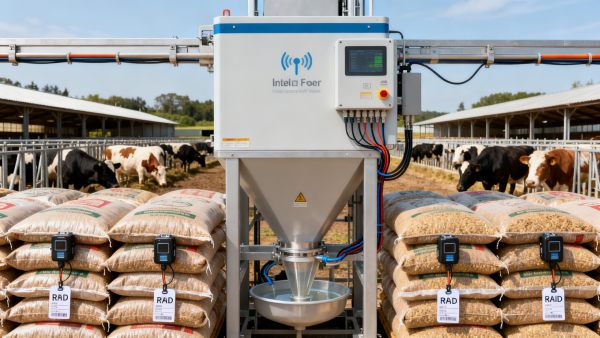
On April 24, 2026, a Ministry of Commerce notice approved animal protein feed from Spain for export to China, including poultry blood meal and porcine intestinal mucosa protein, while also requiring every imported batch to carry RFID electronic ear tags and a feeding data interface protocol. For feed traders, raw material buyers, large-scale farms, and Feeding & Watering Systems vendors, the development is worth watching because it links import access with digital traceability and device connectivity rather than treating feed approval as a stand-alone trade issue.
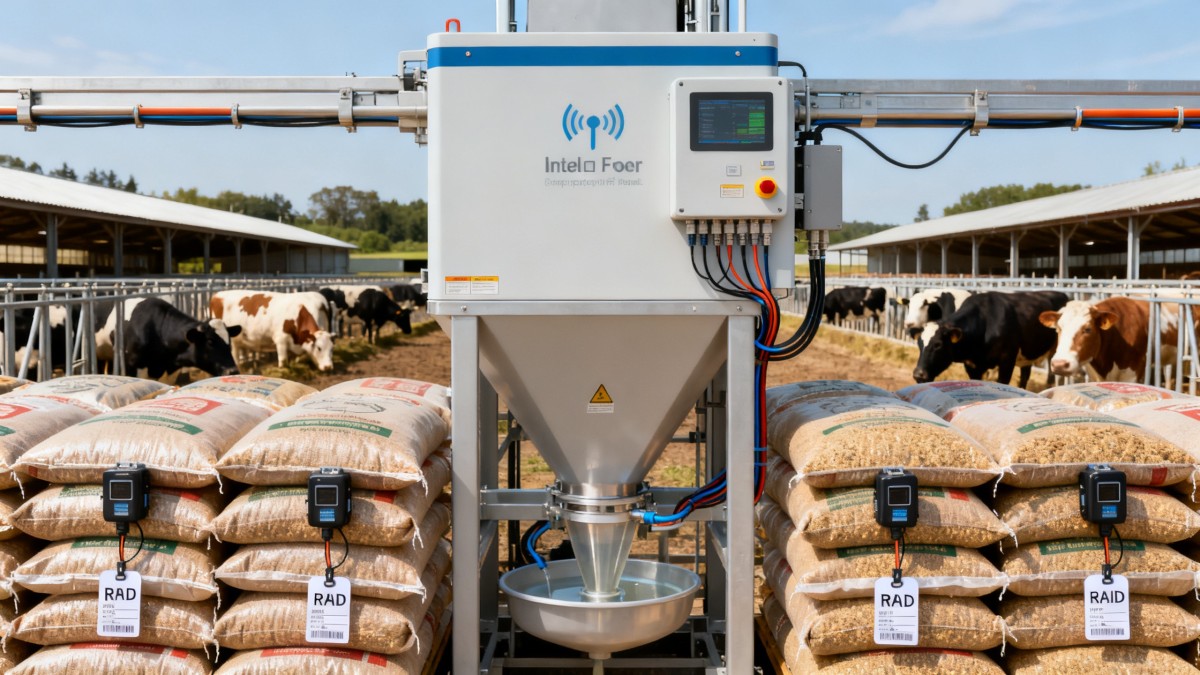
What the April 24 Notice Actually Confirms
The confirmed facts are limited but clear. The notice issued on April 24, 2026 approved Spanish animal protein feed for shipment to China. The approved scope includes poultry blood meal and porcine intestinal mucosa protein. The same notice states that all imported batches must embed RFID electronic ear tags and a feeding data interface protocol. The input information also indicates that this requirement is pushing large-scale Chinese farms to upgrade the IoT compatibility of their Feeding & Watering Systems.
Why the Impact Extends Beyond Feed Trade
Import and procurement teams face a new compliance link
From an industry perspective, importers and raw material procurement teams may be affected first because the market access decision is tied to technical compliance requirements. Their focus is not only on whether Spanish animal protein feed can enter China, but also on whether each batch can meet the RFID and data interface requirements in practice. What deserves closer attention is the coordination between product documentation, batch-level identification, and the data handoff expected by downstream users.
Large-scale farms must think about system compatibility
For large-scale livestock operations, the main impact appears in feeding management and equipment connectivity. Analysis shows that the notice does not simply introduce a new raw material option; it also puts pressure on farms to make sure their Feeding & Watering Systems can work with the required IoT-linked data structure. The practical issue is whether existing systems can receive, interpret, and retain the relevant feeding data without disrupting routine operations.
Equipment suppliers gain a more specific entry point
For overseas smart feeding equipment suppliers, the effect is less about broad market expansion and more about a narrower, clearer value proposition. Observably, the input information points to a combination offer built around an EU protein raw material certification package and preloaded device communication protocols. That suggests suppliers may be evaluated not only on hardware performance, but also on how easily their systems fit the compliance and data expectations of major Chinese farming groups.
What Companies Should Watch Now
Track whether wording turns into operating rules
Companies should distinguish between the policy signal already visible in the notice and the detailed operating requirements that may shape implementation. In practical terms, businesses will need to watch how the RFID electronic ear tag requirement and the feeding data interface protocol are interpreted in real transactions, system integration, and acceptance procedures.
Review supplier readiness and batch documentation
Importers, traders, and buyers should pay attention to whether suppliers can provide the necessary identification and interface support at the batch level. This is less a general sourcing issue than a documentation and execution issue tied to customs entry, traceability, and downstream system matching.
Check protocol compatibility before equipment rollout
Farms and service providers should avoid treating connectivity as a later-stage technical add-on. Analysis shows that protocol compatibility may influence purchasing, installation, and onboarding decisions earlier than usual, especially where imported feed inputs and digital feeding records are expected to work together.
Prepare customer communication around integration scope
Equipment vendors and supply chain service providers should be precise in how they describe integration capability. What deserves closer attention is the difference between being generally IoT-enabled and being able to support the specific interface expectations tied to this import requirement. That distinction may affect negotiations, delivery timing, and post-sale coordination.
Why This Looks More Like a Systems Signal
Observably, this development is better understood as more than a simple product approval. The confirmed facts connect imported feed access with RFID-based identification and feeding data interfaces, which signals a stronger relationship between material sourcing and digital farm infrastructure. At the same time, it is still too early to treat this as a fully settled market outcome, because the business impact will depend on how consistently these requirements are applied and how quickly farms and suppliers align their systems.
How to Read the Development at This Stage
It is more appropriate to understand this as a near-term operational change with longer-term strategic implications. In the short run, the immediate issue is compliance and compatibility around imported Spanish animal protein feed. In the longer run, the more meaningful signal may be that access to certain agricultural inputs is becoming more closely tied to traceability architecture and connected feeding equipment. For now, a measured reading is more useful than a definitive conclusion.
Basis of This Article and Ongoing Verification
This article is generated from the user-provided news title, event date, and event summary. For this type of industry update, commonly relevant source categories may include official notices, corporate disclosures, industry association releases, authoritative media coverage, and standard-setting documents. A specific official source link was not provided in the input, so continued verification is still needed. Follow-up attention should focus on any later official wording, implementation details for RFID and data interface requirements, and how these requirements are reflected in actual procurement and system deployment.
Related Intelligence
- Feeding & Watering SystemsFeed Production Systems for Dairy Farms: Sizing for Herd Size and Ration NeedsSize feed production systems for dairy farms to match herd size, ration needs, and feeding schedules. Discover how to choose capacity, avoid bottlenecks, and plan for growth.
- Feeding & Watering SystemsHow to Size Commercial Farm Feed Systems for Herd Capacity and Feed FlowFarm commercial feed systems: learn how to size storage, conveyors, and feed flow for herd capacity, peak demand, resilience, and efficient farm operations.
- Feeding & Watering SystemsSelecting a Nipple Drinking System for Broiler and Layer HousesNipple drinking system selection guide for broiler and layer houses: compare water flow, pressure control, flushing, durability, and installation needs.
The Morning Broadsheet
Daily chemical briefings, market shifts, and peer-reviewed summaries delivered to your terminal.
