

The Authority in Global Agricultural Chemistry & Bio-Resources
Easy Clean Feeding Systems: Which Designs Save More Labor in Daily Farm Operations?
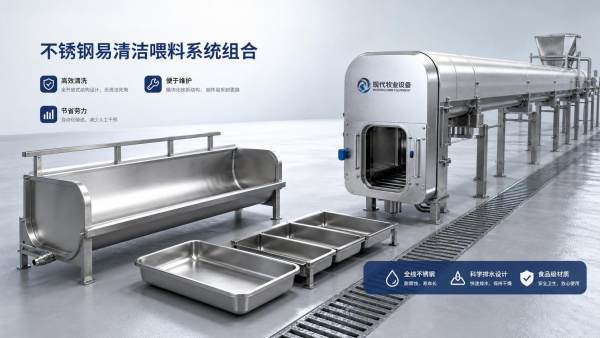
Easy Clean Feeding Systems: Which Designs Save More Labor in Daily Farm Operations?
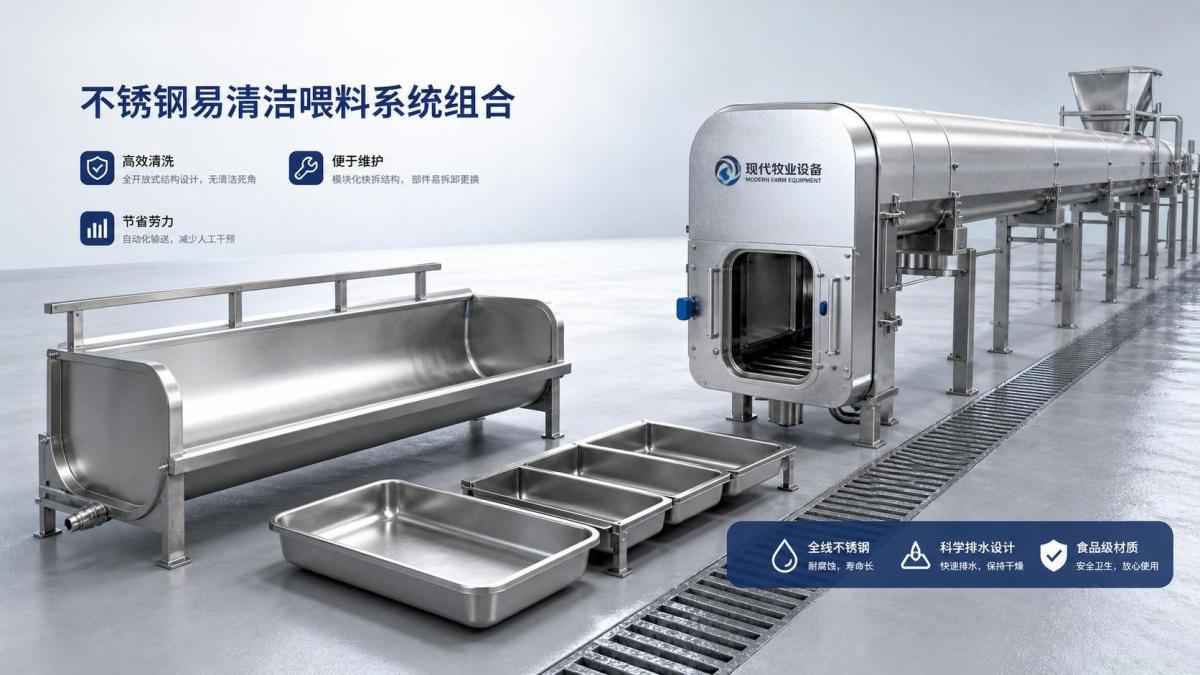
In daily livestock operations, easy clean feeding systems can cut labor hours, reduce stoppages, and lower hygiene pressure.
Still, not every design performs well once dust, moisture, feed residue, and tight staffing become part of the routine.
That is where selection becomes practical, not theoretical.
The best easy clean feeding systems are not simply quick to wash.
They also prevent buildup, limit dead zones, protect feed quality, and keep operators moving through daily tasks with fewer interruptions.
In real farm conditions, labor savings come from repeatable design details.
Smooth surfaces, open access, fast draining, and fewer dismantling steps usually matter more than marketing claims.
This article looks at which easy clean feeding systems save more labor, where each design works best, and how to compare options without missing hidden maintenance costs.
Why Cleaning Design Now Has a Bigger Impact on Daily Output
Labor is tighter, feed is more expensive, and hygiene standards are less forgiving than they were a few years ago.
That combination makes easy clean feeding systems a direct operations issue.
When cleaning takes too long, the cost appears in several places at once.
Teams spend more time on washdown, feeders stay offline longer, and leftover wet feed raises contamination risk.
More importantly, poor cleanability often creates uneven feed flow.
Residue in corners, chains, augers, or trough lips can harden over time.
That leads to bridging, spoilage, and recurring manual scraping.
From a decision standpoint, easy clean feeding systems should be evaluated like any other labor-saving asset.
The question is not only, “Can this be cleaned?”
The better question is, “How often, how quickly, and by how many people?”
Which Easy Clean Feeding Systems Usually Save the Most Labor
Not all feeder layouts create the same cleaning burden.
Some designs reduce labor by minimizing residue points.
Others depend on fast access and simple disassembly.
1. Open trough systems with rounded interiors
These are often the easiest easy clean feeding systems for daily visual inspection and manual washdown.
Rounded bottoms help eliminate packed corners.
Wide access also lets operators remove residue without specialty tools.
They work especially well where wet feed or mash changes frequently.
2. Drop-pan or modular feeder units with tool-free release
This design saves time when units must be cleaned in sections.
Quick-release pans, removable guards, and snap-fit covers reduce labor during routine sanitation cycles.
If the locking points are durable, these easy clean feeding systems perform well in high-turnover barns.
3. Enclosed conveyor feeding systems with cleanout ports
These systems support scale and feed control, but labor savings depend on access design.
Well-placed cleanout doors, drain points, and inspection windows make a large difference.
Without those features, enclosed lines can become the most time-consuming option to maintain.
4. Wet-dry combination feeders with smooth transition zones
These easy clean feeding systems can save labor when feed and water contact points are shaped for drainage.
The risk appears where seams, valves, or ledges trap fines and moisture.
Good models control this well.
Poor models create daily rework.
The Design Features That Actually Reduce Cleaning Time
In practice, labor savings come from a handful of repeatable engineering choices.
When comparing easy clean feeding systems, focus on these points first.
- Smooth, non-porous contact surfaces that resist feed sticking.
- Rounded corners instead of sharp internal angles.
- Tool-free panels, lids, or trays for fast access.
- Drainage paths that empty fully after washing.
- Fewer exposed fasteners, brackets, and overlap joints.
- Clear sight lines for checking leftover material.
- Modular parts that can be removed and reinstalled quickly.
Material choice also matters.
Stainless steel usually cleans faster than rough galvanized surfaces in wet environments.
High-grade polymers can also work well if they resist scratching and chemical wear.
A useful rule is simple.
Every extra seam, hidden cavity, or awkward hinge adds seconds to each cleaning cycle.
Across a month, those seconds become labor hours.
Where Labor Savings Are Often Lost
Some easy clean feeding systems look efficient on paper but fail under daily pressure.
The usual problem is not the core feeding function.
It is the cleaning sequence around it.
- Parts require multiple tools and too many hands.
- Residue hides under rails, chain covers, or feed lips.
- Washed sections do not drain completely.
- Reassembly takes longer than the wash itself.
- Frequent feed formula changes increase cross-contamination risk.
This matters even more in operations running different rations, medications, or growth stages.
In those cases, easy clean feeding systems must support quick changeovers, not just end-of-day cleaning.
A design that saves ten minutes per cycle may save several labor days over a season.
How to Compare Easy Clean Feeding Systems Before Purchase
Selection is easier when the comparison stays tied to routine work.
Instead of asking only about capacity, ask how the system behaves during an ordinary cleaning day.
Vendor demonstrations should include a real cleanout sequence.
A static brochure rarely shows the awkward areas.
Ask how long the process takes after sticky feed, not just dry pellets.
That usually reveals the true labor profile of easy clean feeding systems.
Best-Fit Recommendations by Operating Scenario
Different sites need different easy clean feeding systems.
The most efficient choice depends on feed type, wash frequency, staffing, and line length.
- For smaller units with frequent washdowns, open trough or modular pan systems usually save the most labor.
- For long feeding routes, enclosed conveyor systems work better when cleanout ports are frequent and easy to reach.
- For wet feeding programs, prioritize smooth transitions, steep drainage, and minimal joints.
- For mixed-ration environments, choose easy clean feeding systems designed for fast product changeovers.
It also helps to calculate labor in annual terms.
If one design saves fifteen minutes per washdown, multiply that across the full cleaning calendar.
The difference can justify a higher purchase price very quickly.
A Practical Decision Framework
The most effective easy clean feeding systems share one trait.
They reduce routine friction without adding hidden maintenance steps.
That is what really saves labor in daily farm operations.
When comparing designs, start with access, drainage, surface finish, and dismantling time.
Then test those features against actual feed conditions and staffing limits.
That approach turns easy clean feeding systems from a generic equipment category into a measurable operations decision.
In the end, the best design is the one that stays clean with less effort, restarts fast, and keeps feed moving without daily rework.
For farms under constant labor pressure, that is not a small advantage. It is a durable operating gain.
Related Intelligence
- Feeding & Watering SystemsHow to Size Commercial Farm Feed Systems for Herd Capacity and Feed FlowFarm commercial feed systems: learn how to size storage, conveyors, and feed flow for herd capacity, peak demand, resilience, and efficient farm operations.
- Feeding & Watering SystemsSelecting a Nipple Drinking System for Broiler and Layer HousesNipple drinking system selection guide for broiler and layer houses: compare water flow, pressure control, flushing, durability, and installation needs.
- Feeding & Watering SystemsHow to Select Poultry Feeding Systems for Broiler Farms by Flock Size and Feed WasteFarm poultry feeding systems: learn how to match feeder design to broiler flock size, reduce feed waste, improve uniformity, and control lifecycle costs.
The Morning Broadsheet
Daily chemical briefings, market shifts, and peer-reviewed summaries delivered to your terminal.
