

The Authority in Global Agricultural Chemistry & Bio-Resources
How to Compare Livestock Equipment in North America by Facility Type and Operating Needs
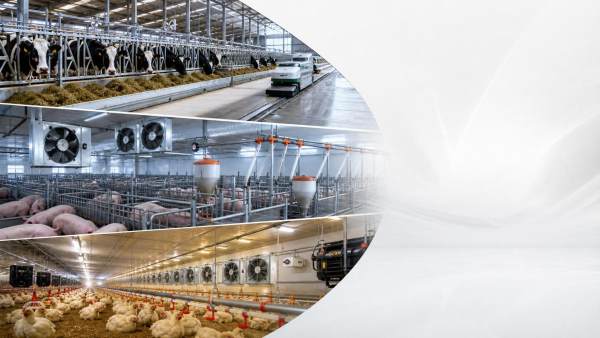
Comparing livestock equipment North America operations rely on is rarely a simple price exercise. Facility design, animal flow, labor availability, utility costs, and compliance expectations all shape what counts as a suitable system. In a market where uptime and traceability matter as much as unit cost, equipment decisions need to be tied to operating reality rather than catalog claims.
That is why livestock equipment North America sourcing has become a broader industrial question. It sits at the intersection of machinery performance, environmental management, feed handling, worker safety, and long-term maintenance planning. For readers of AgriChem Chronicle, this topic fits naturally within a wider supply-chain view, where capital equipment choices influence productivity, risk exposure, and procurement discipline across primary industries.
Why facility type changes the comparison
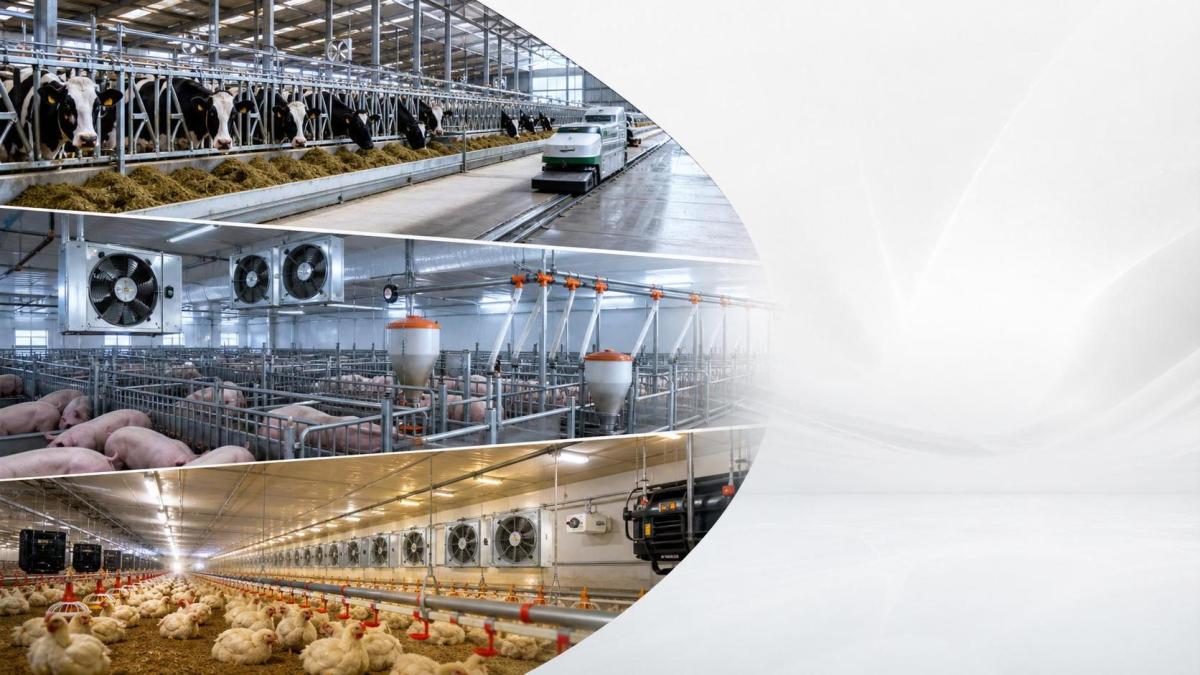
A dairy barn, a swine finishing unit, a feedlot, and a broiler house may all fall under livestock production, but they do not demand the same equipment logic.
In practical terms, livestock equipment North America buyers compare should first be grouped by the environment where it will operate. That includes animal density, bedding system, manure handling method, ventilation profile, and cleaning frequency.
A system that performs well in a dry beef setting may fail early in a high-moisture dairy environment. Corrosion resistance, washdown tolerance, and moving-part protection can vary significantly between equipment categories.
Facility layout also affects value. Narrow alleys, retrofit buildings, and low-clearance zones can turn a technically strong machine into a poor operational fit.
The baseline questions worth asking first
- Is the equipment intended for new construction or retrofit installation?
- How many hours per day will the system run under load?
- Which climate pressures matter most: cold weather, humidity, dust, or corrosive waste?
- Will the equipment connect to existing controls, conveyors, dosing units, or software?
- What level of sanitation or biosecurity is required between cycles?
These questions narrow the field quickly and make later price comparisons more meaningful.
Comparing by species and production model
The most useful livestock equipment North America framework separates equipment needs by species and by operating model, not by broad marketing labels.
This species-based view helps avoid a common mistake: comparing features that look advanced but do not improve the actual bottleneck of the facility.
For example, advanced automation in a poultry house can deliver strong value when flock turnover is high. The same capital intensity may be harder to justify in a smaller beef operation with more flexible labor patterns.
Operating needs matter more than brochure specifications
In livestock equipment North America evaluations, specification sheets often overstate comparability. Two systems may offer similar capacity ratings yet perform very differently once maintenance intervals, feed variability, or staffing limitations enter the picture.
Throughput should match real workflow
Capacity needs to be tested against peak conditions, not average conditions. Morning milking surges, feeding windows, or seasonal occupancy changes often expose the real constraint.
Maintenance access has financial weight
Equipment with difficult service access can raise labor hours and extend downtime. That matters in remote areas where dealer response time may already be slow.
Energy and water use should be modeled early
Power draw, compressor demand, water consumption, and heating load can materially change total operating cost. This is especially relevant where utility prices are volatile.
Parts support can outweigh small purchase savings
A lower-priced unit may become more expensive if replacement parts require long lead times or if only proprietary technicians can perform routine repairs.
The current pressure points in North American sourcing
The livestock equipment North America market is shaped by more than farm economics. Freight volatility, steel costs, labor shortages, and tighter documentation expectations are influencing how equipment is assessed and approved.
Environmental scrutiny is another factor. Waste handling, energy efficiency, and water management increasingly affect not only compliance, but also financing, insurance, and community acceptance.
Digital capability is also becoming a differentiator. Sensors, remote alerts, and performance logging are not essential in every case, but they can strengthen accountability when multi-site operations need consistent reporting.
This is where the broader ACC editorial lens is useful. Primary industry equipment decisions now resemble other regulated sourcing environments: technical claims need verification, supplier transparency matters, and lifecycle risk deserves equal attention.
A practical comparison framework
A workable evaluation process for livestock equipment North America projects should combine operational fit with evidence-based supplier review.
- Map the facility workflow before reviewing brands or models.
- Identify the main cost of failure: lost output, animal stress, cleanup time, or repair delay.
- Request performance references from facilities with similar herd size and layout.
- Compare materials, wear components, and cleaning requirements, not only rated capacity.
- Review warranty scope alongside local service coverage and spare-parts availability.
- Estimate five-year operating cost, including utilities, consumables, and planned maintenance.
- Check whether the supplier can support documentation, training, and installation validation.
This approach gives a more defensible basis for selection than headline discounts or broad product claims.
What often gets missed in side-by-side comparisons
Many livestock equipment North America reviews focus heavily on purchase price, visible features, and nominal capacity. The missing elements are usually hidden in installation detail and operational disruption.
Retrofit complexity is a frequent blind spot. Electrical upgrades, reinforced mounting points, drainage changes, and control rewiring can alter the project budget more than expected.
Training is another overlooked line item. Even well-designed systems lose value when staff need longer adjustment periods or when daily procedures become inconsistent across shifts.
It is also worth checking how a system handles partial loads, irregular feed characteristics, or emergency fallback operation. Equipment rarely works under perfect conditions for long.
Turning comparison into a better purchasing decision
The strongest livestock equipment North America decisions usually come from narrowing the question. Instead of asking which brand is best, ask which system best fits this facility, this workload, and this service environment.
From there, the next step is straightforward: build a comparison matrix around operating conditions, lifecycle cost, compliance needs, and supplier support. That structure makes tradeoffs visible and helps separate durable value from short-term price advantage.
Where uncertainty remains, site-specific reference checks and installation planning usually reveal more than another round of feature discussions. For complex purchases, disciplined comparison is not extra paperwork. It is the mechanism that reduces risk before capital is committed.
Related Intelligence
- Feeding & Watering SystemsHow to Size Commercial Farm Feed Systems for Herd Capacity and Feed FlowFarm commercial feed systems: learn how to size storage, conveyors, and feed flow for herd capacity, peak demand, resilience, and efficient farm operations.
- Feeding & Watering SystemsSelecting a Nipple Drinking System for Broiler and Layer HousesNipple drinking system selection guide for broiler and layer houses: compare water flow, pressure control, flushing, durability, and installation needs.
- Feeding & Watering SystemsHow to Select Poultry Feeding Systems for Broiler Farms by Flock Size and Feed WasteFarm poultry feeding systems: learn how to match feeder design to broiler flock size, reduce feed waste, improve uniformity, and control lifecycle costs.
The Morning Broadsheet
Daily chemical briefings, market shifts, and peer-reviewed summaries delivered to your terminal.
