

The Authority in Global Agricultural Chemistry & Bio-Resources
EPA Rule Adds Toxicity Testing for RAS Exports
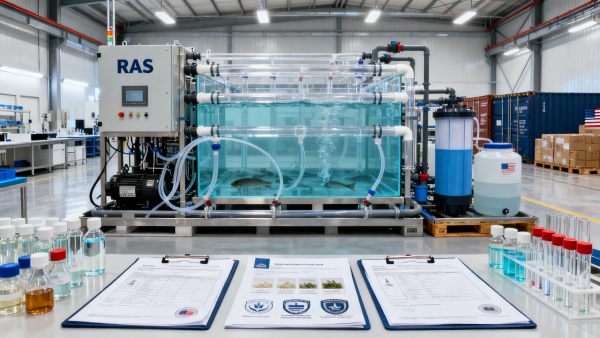
On July 25, 2026, the US Environmental Protection Agency formally put into effect a revised Environmental Compliance Guide for Aquaculture Systems, introducing a new compliance threshold for recirculating aquaculture systems (RAS) exported to the United States. The change matters immediately to equipment integrators, system OEMs, and suppliers of supporting water treatment modules, because market access now depends on added aquatic acute and chronic toxicity testing and an accompanying compliance statement issued by an EPA-recognized laboratory; without that documentation, products face refusal at customs clearance.
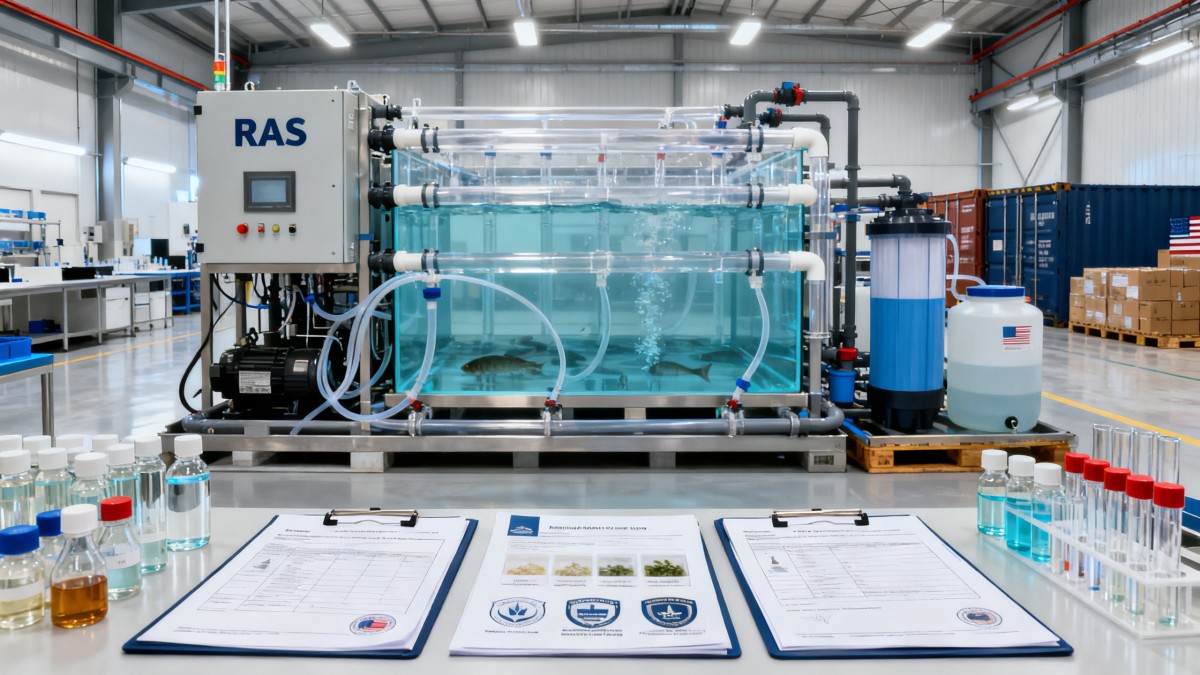
What the new EPA requirement now covers
According to the information provided, the revised guide took effect on July 25, 2026. Under the new requirement, all RAS systems exported to the US must complete newly added aquatic acute and chronic toxicity testing. In addition, exporters must obtain a compliance statement issued by an EPA-recognized laboratory. The rule directly affects US-bound export access for system integrators, system OEMs, and suppliers of related water treatment modules. Products that do not obtain the required certification will be denied customs clearance.
Where the impact is likely to be felt first
Export-facing system suppliers
From an industry perspective, companies shipping complete RAS solutions to the US are the first group exposed to the rule change because the requirement is tied directly to export eligibility. The main impact is likely to appear in pre-shipment compliance review, product documentation, and delivery readiness for US orders.
OEM manufacturers and assembly partners
System OEMs may be affected where exported configurations must now align with the added testing and laboratory declaration requirement. The pressure point is not only product manufacture itself, but also whether the final export package can demonstrate compliance in a form acceptable for customs clearance.
Water treatment module suppliers inside the RAS chain
Suppliers of supporting water treatment modules are also named in the provided information as directly affected. Analysis shows that these companies should pay attention to how their modules are represented in export documentation, whether they fall within the compliance boundary of the shipped system, and how their customers may ask for supporting test and declaration materials.
Trade and delivery coordination roles
Observably, the rule also has implications for teams handling order execution, export paperwork, and shipment scheduling. Where compliance statements from EPA-recognized laboratories are now required, timing, document completeness, and coordination between suppliers and exporters become practical risk points before goods reach US customs.
What companies should be checking now
Whether current US-bound products already meet the new filing expectation
What deserves closer attention is whether products prepared for the US market have already been mapped against the new testing and declaration requirement. For companies serving US customers, the immediate issue is not general policy awareness but whether each exportable RAS configuration has a clear compliance path under the rule now in force.
The status of laboratory-backed compliance documentation
The requirement is not limited to testing alone; it also includes a compliance statement from an EPA-recognized laboratory. In practical terms, companies should focus on the availability, completeness, and consistency of that documentation in transaction and shipment files tied to US deliveries.
How supplier coordination affects delivery timing
For businesses working through multiple module suppliers or assembly partners, the operational question is whether all relevant parties can support the same compliance timeline. Analysis shows that procurement, supply chain, and project delivery teams should pay close attention to documentation handoff, order sequencing, and internal review steps where US export commitments are involved.
How to communicate the rule change to customers and channel partners
Where shipments may be delayed or re-evaluated because of certification status, customer communication becomes a practical business issue. Companies should closely track how the rule is described in quotations, contracts, shipment notices, and after-sales coordination related to US-bound orders.
Why this reads as more than a routine paperwork update
As an editorial observation, this development is better understood as a compliance access signal rather than a minor administrative adjustment. The information provided points to a direct connection between testing, recognized laboratory documentation, and customs clearance, which means the requirement reaches beyond internal quality review and into actual market entry conditions.
It is also more appropriate to understand this as an active operational change rather than a distant policy indication, because the rule is already in effect as of July 25, 2026. At the same time, any broader conclusions about long-term market restructuring would go beyond the confirmed facts currently available. Continued attention is warranted because implementation details in practice often determine how strongly such requirements affect shipment planning and supplier coordination.
How the market should read this development now
The most grounded reading of this update is that US-bound RAS exports have entered a stricter compliance stage centered on aquatic toxicity testing and recognized laboratory certification. For affected companies, the significance lies less in abstract policy change and more in whether products, documents, and shipment workflows are aligned with the new access requirement. At this stage, it is more appropriate to treat the development as an immediate compliance change with possible longer-term implications that still require observation.
Basis of this article and what still needs verification
This article is based on the user-provided news title, event date, and event summary. For this type of development, commonly relevant source categories may include official regulatory notices, company disclosures, industry association updates, authoritative media coverage, and standards-related documentation. No specific official source link was provided in the input, so the exact underlying publication and any subsequent clarifications still need to be verified on an ongoing basis. Further follow-up should focus on later official wording, any implementation clarifications, and how the requirement is applied in actual export and customs processes.
Related Intelligence
- RAS SystemsAquaculture Filter Installation Costs: Plumbing, Labor, and CommissioningUnderstand aquaculture filter installation cost, from plumbing and labor to commissioning. Compare complete project scopes, uncover hidden expenses, and budget confidently before you buy.
- RAS SystemsSustainable Aquaculture Practices That Cut Feed Waste and Protect Fish Farm Water QualitySustainable aquaculture for fish farms: reduce feed waste, protect water quality, and build resilient, efficient systems with practical strategies.
- RAS SystemsDrum Filter System Price: How Flow Rate, Micron Rating, and Automation Affect CostDrum filter system price depends on flow rate, micron rating, automation, materials, and lifecycle costs. Compare quotes confidently and choose the right system.
The Morning Broadsheet
Daily chemical briefings, market shifts, and peer-reviewed summaries delivered to your terminal.
