

The Authority in Global Agricultural Chemistry & Bio-Resources
Feed Processing Explained: Main Steps, Equipment Options, and Common Quality Issues
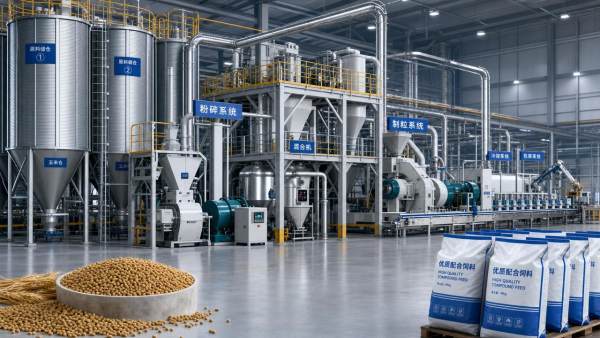
Feed Processing: Why It Matters at Plant Level
Feed Processing sits at the center of safe, efficient, and profitable feed production.
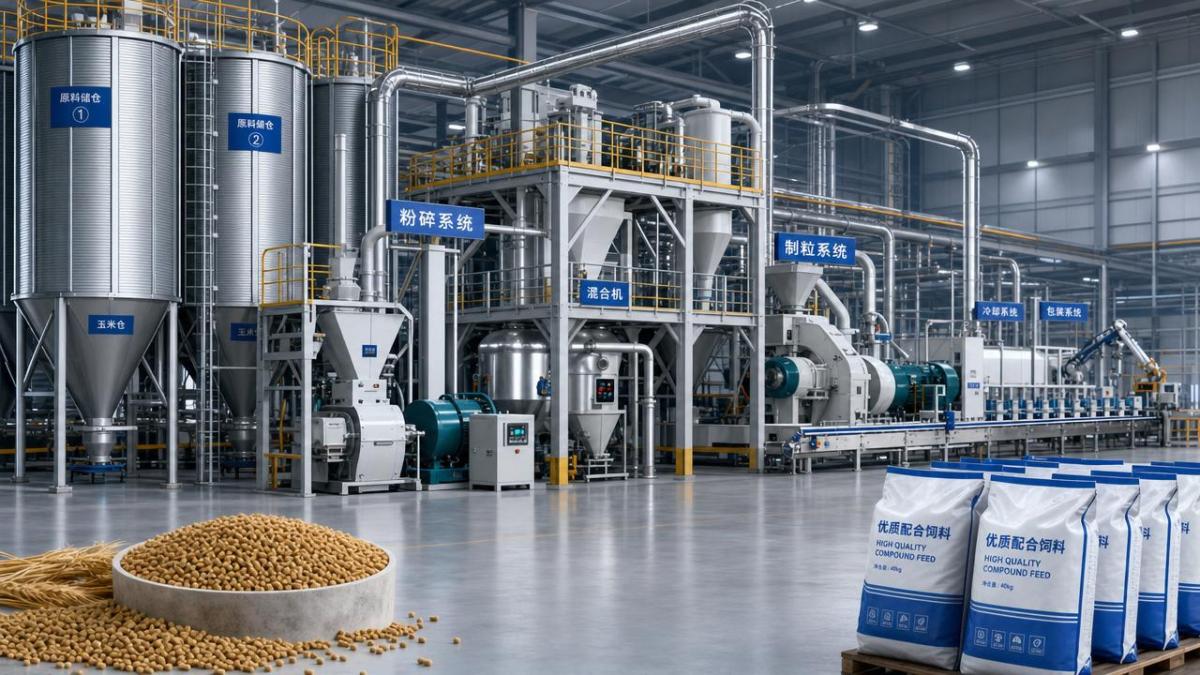
It affects nutrient retention, batch consistency, equipment loading, dust control, and downstream handling.
For modern plants, strong Feed Processing also supports traceability, sanitation, and compliance with tighter quality standards.
That is why line design decisions should not be treated as isolated machinery purchases.
They shape operating cost, labor efficiency, maintenance intervals, and final feed performance.
In practice, the best Feed Processing systems balance throughput, formulation flexibility, hygiene, and stable output quality.
This becomes even more important when plants handle multiple species, medicated feed, or export-oriented production.
A small weakness at one stage can create larger problems later.
So it helps to view Feed Processing as one connected workflow, not a string of separate unit operations.
Main Feed Processing Steps From Intake to Packing
A typical Feed Processing line follows a predictable sequence, though layouts vary by formula, capacity, and product form.
1. Raw material receiving and storage
The process starts with intake, inspection, sampling, and segregation of incoming ingredients.
Moisture, contamination, density, and flow behavior should be checked before materials enter storage bins or silos.
Poor receiving control often causes downstream variation that no machine can fully correct later.
2. Cleaning and foreign matter removal
Magnets, sieves, destoners, and aspiration units remove metal, stones, fibers, and dust.
This step protects grinders, mixers, pellet mills, and extruders from premature wear or sudden failure.
3. Grinding
Grinding reduces particle size to improve mixing uniformity and animal digestibility.
It also influences pellet durability, energy use, and bulk density.
From a Feed Processing perspective, target size should match species needs and selected finishing technology.
4. Batching and dosing
Macro and micro ingredients are weighed according to the formula and production schedule.
Automation accuracy matters here because dosage drift affects nutrition, cost, and audit readiness.
5. Mixing
Mixing distributes ingredients evenly and prepares the mash for conditioning, pelleting, or extrusion.
Liquids such as oils, enzymes, or molasses may be added during this stage.
Short mixing time is attractive, but under-mixing creates hidden quality risks.
6. Conditioning and thermal treatment
Steam and heat improve starch gelatinization, pathogen control, and forming behavior.
Temperature, moisture, and retention time should be tightly controlled.
This stage strongly determines final Feed Processing performance and product stability.
7. Forming: pelleting, extrusion, or crumbling
Pellet mills compress conditioned mash through dies to create dense, uniform pellets.
Extruders apply higher shear and thermal energy, often used for aquafeed and specialty products.
Crumblers then reduce pellet size for starter feed or young animals.
8. Cooling, drying, and screening
Fresh pellets or extrudates leave the press hot and fragile.
Cooling and drying reduce moisture to safe storage levels and improve structural strength.
Screening removes fines, which can be recycled if process limits are respected.
9. Coating, packing, and dispatch
Heat-sensitive additives, fats, or flavorings are often applied after cooling.
The final Feed Processing stage includes bagging or bulk loading, labeling, and lot traceability control.
Equipment Options and How to Choose Them
Equipment selection should follow product goals, not just nameplate capacity.
In real projects, the wrong machine usually creates higher utility use and lower line stability.
Grinding systems
- Hammer mills suit many standard Feed Processing applications and offer flexibility across ingredients.
- Roller mills provide more uniform particle distribution for selected cereal-heavy formulas.
- Key checks include screen change time, wear rate, aspiration efficiency, and energy per ton.
Mixers and liquid addition
- Ribbon mixers are common, but paddle mixers often give faster and more uniform blending.
- Liquid dosing systems need stable spray patterns and reliable cleaning access.
- Carryover control is critical when lines switch formulas frequently.
Pellet mills versus extruders
- Pellet mills usually offer lower capital cost for mainstream livestock Feed Processing.
- Extruders support more complex recipes, floating feed, and stronger control of product texture.
- The better option depends on target density, water stability, and nutritional requirements.
Utilities and support systems
- Do not overlook boilers, compressors, dust collection, conveyors, and control software.
- These assets often decide actual uptime in Feed Processing plants.
- Maintenance access, spare part lead time, and local service coverage should be evaluated early.
Common Feed Processing Quality Issues
Most quality problems are not random.
They usually come from a mismatch between raw materials, settings, and equipment condition.
Inconsistent particle size
This issue affects mix uniformity, pellet strength, and nutrient intake consistency.
Common causes include worn hammers, damaged screens, unstable feed rate, or poor aspiration.
Poor pellet durability and excess fines
This is one of the most visible Feed Processing problems in transport and storage.
Low conditioning quality, incorrect die selection, and weak formulation binding are frequent causes.
Uneven moisture and thermal damage
Overheating can reduce nutrient quality, while excess moisture shortens shelf life.
The signal is often seen later as caking, mold risk, or unstable pellet texture.
Mixer carryover and cross-contamination
This matters even more for medicated or species-specific Feed Processing lines.
Dead zones, poor discharge, and weak sequencing logic can all increase contamination risk.
Packaging and traceability errors
Incorrect labeling, weight variation, and batch record gaps can turn a small quality issue into a compliance problem.
Practical Controls That Improve Feed Processing Results
Better Feed Processing performance usually comes from disciplined controls, not a single major upgrade.
In many facilities, daily trend reviews reveal issues earlier than end-product inspection alone.
That means operators should watch process indicators, not only final lab results.
- Standardize incoming material checks by supplier and season.
- Set clear control limits for moisture, grind size, and conditioning temperature.
- Review die wear, mixer discharge, and cooler balance on a fixed schedule.
- Use digital records to connect Feed Processing deviations with maintenance events.
How to Plan a Better Feed Processing Upgrade
When planning a new line or retrofit, start with the target product, not the catalog.
Define required capacity, formula range, sanitation level, and utility limits first.
Then map each Feed Processing step against bottlenecks, quality risks, and operating cost.
A practical review usually includes the following points:
- Check raw material variability and expected seasonal changes.
- Match grinding and forming technology to product specifications.
- Confirm cleaning access and contamination control procedures.
- Evaluate automation depth, alarms, and traceability functions.
- Estimate service support, spare parts, and lifecycle energy cost.
From a long-term view, strong Feed Processing decisions reduce rework, product claims, and unstable throughput.
They also create a more resilient plant when standards tighten or product mixes shift.
The most effective next step is usually a line-by-line audit of process control points.
That gives a clearer basis for equipment investment, quality improvement, and sustainable Feed Processing performance.
Related Intelligence
- Commercial Feed PelletFire Quickly Extinguished in Grinder Bin at Baiada’s Cardiff Feed Mill in AustraliaBaiada’s Cardiff feed mill fire was reportedly contained quickly. Explore grinder bin safety, restart uncertainties and key supply continuity checks for feed buyers.
- Commercial Feed PelletHow to Build a Sanitary Feed Production Plan That Reduces Cross-ContaminationSanitary feed production planning: reduce cross-contamination with smarter sequencing, validated flushing, material segregation, and traceable sanitation controls.
- Commercial Feed PelletFeed Pellet Mill Sourcing: How to Vet Suppliers for Capacity, Quality, and SupportFeed pellet mill sourcing made smarter: vet suppliers for proven capacity, pellet quality, lifecycle cost, factory controls, commissioning, and reliable after-sales support.
The Morning Broadsheet
Daily chemical briefings, market shifts, and peer-reviewed summaries delivered to your terminal.
