

The Authority in Global Agricultural Chemistry & Bio-Resources
Shenzhen Bay Clears First Duty-Free South African Apples
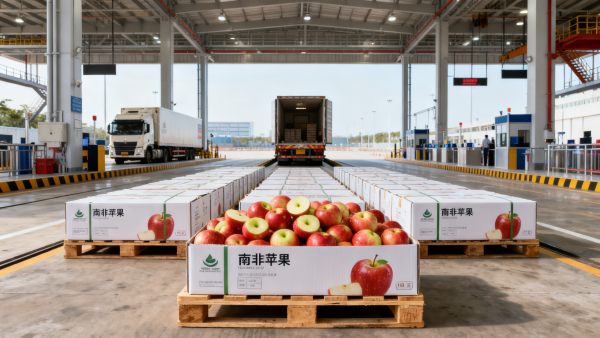
On May 1, 2026, the first 24-ton shipment of South African apples entered China through Shenzhen Bay under China’s zero-tariff treatment for all African countries with diplomatic ties to China. Beyond the arrival itself, the faster 3.2-hour clearance enabled by differentiated supervision and pre-inspection is what deserves industry attention, especially for fresh-produce traders, upstream suppliers serving Botanical Extracts and Natural Ingredients, and supply chain operators managing time-sensitive imports.
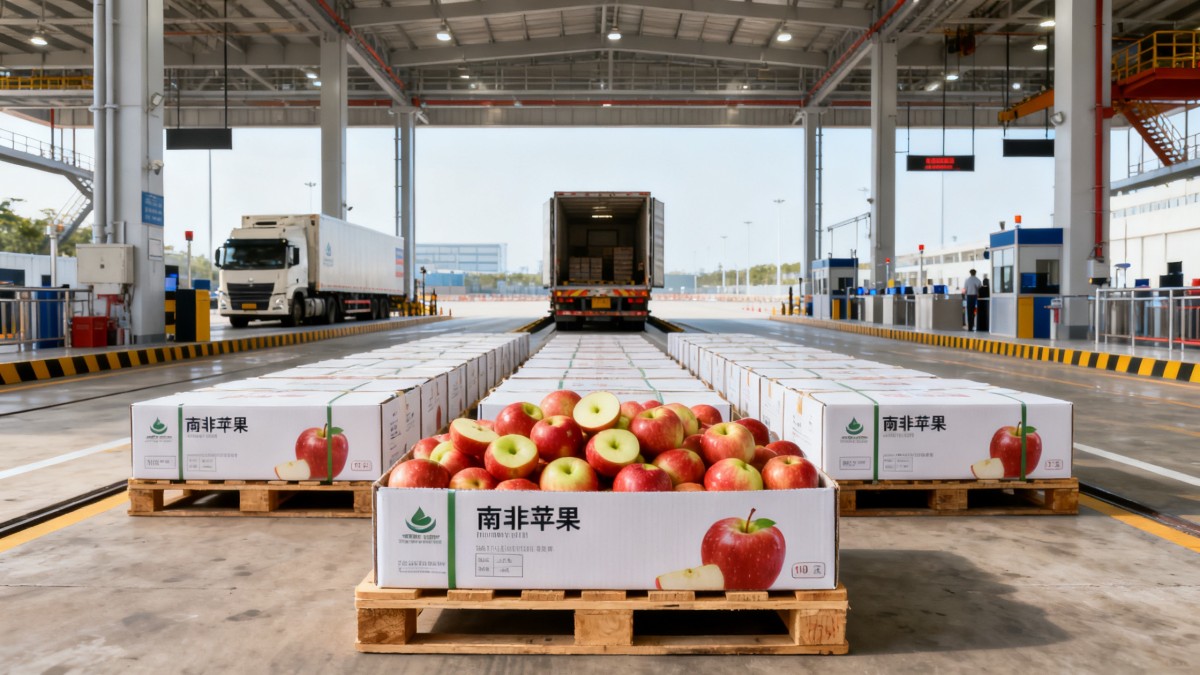
What Happened at Shenzhen Bay
According to the provided event information, China began applying zero tariffs to all African countries with diplomatic relations with China on May 1. At midnight on the same day, the first batch of South African apples, totaling 24 tons, was rapidly released for entry by Shenzhen Bay Customs.
The reported clearance process relied on a differentiated regulatory approach described as a product-specific policy and a pre-inspection model. Under that mechanism, customs clearance time was reduced to 3.2 hours, representing a 40% improvement in fresh-produce clearance efficiency.
The same mechanism has also been extended to other high-value fresh fruits, including Chilean blueberries and Peruvian grapes. The event summary further indicates that this is favorable for the supply stability of upstream raw material bases linked to Botanical Extracts and Natural Ingredients.
Why the Supply Chain Is Paying Attention
Fresh import traders are watching landed timing more closely
From an industry perspective, importers of fresh fruit may be affected first because tariff treatment and clearance speed directly influence how quickly goods move from port entry into commercial circulation. The operational impact is most visible in customs coordination, arrival scheduling, and inventory turnover. What deserves closer attention is whether this faster model can be applied consistently across comparable shipments and categories.
Upstream ingredient buyers may see more predictable raw material flows
Analysis shows that companies sourcing plant-based raw material inputs may view this development through a supply-stability lens rather than only a fruit-trade lens. Where raw material bases are linked to fresh imported produce, improved release speed can matter in procurement planning, delivery coordination, and risk assessment around upstream availability. The key variable to monitor is not only tariff treatment, but also the practical continuity of the clearance mechanism.
Logistics and customs service providers face execution demands
For supply chain service providers, the likely impact is operational. Faster processing windows can create opportunities only if documentation, pre-arrival preparation, and inspection coordination are aligned in advance. Observably, the relevance here is less about headline policy and more about whether service providers can adapt workflows to product-specific supervision requirements.
What Companies Should Track Next
Separate policy direction from shipment-level execution
Analysis shows that zero-tariff treatment and faster clearance should not be treated as identical issues. One is a policy condition, while the other depends on how the regulatory model is executed in practice. Companies should continue monitoring how official wording and operational arrangements evolve in actual import handling.
Focus on product categories already tied to the mechanism
The provided information specifically references South African apples and notes that the mechanism has been extended to Chilean blueberries and Peruvian grapes. For businesses handling high-value fresh produce or upstream plant-based inputs, category-level applicability is likely to matter more than broad assumptions about all imports benefiting in the same way.
Review documentation and pre-inspection readiness
Because the reported efficiency gain is linked to pre-inspection and differentiated supervision, businesses should pay close attention to document completeness, supplier-side preparation, and coordination before cargo arrival. In practice, the value of a faster channel depends on whether upstream and customs-facing information can support it without delays.
Prepare customer communication around delivery timing
For buyers, distributors, and processors, the immediate practical issue is how to communicate timing expectations without overstating certainty. A shorter reported clearance cycle may improve planning, but companies still need contingency language and delivery coordination based on actual execution conditions.
How This Signal Should Be Read
Observably, this development is better understood as both a confirmed operational case and a broader signal worth tracking. The confirmed part is narrow: a first 24-ton batch of South African apples entered through Shenzhen Bay under zero-tariff treatment and was cleared quickly under a defined regulatory model. The broader implication remains analytical: the event suggests that tariff policy and customs process optimization may increasingly work together in time-sensitive fresh imports.
Analysis shows that the strongest near-term relevance may lie in supply chain reliability rather than in any immediate conclusion about volume expansion or structural market change. For companies connected to Botanical Extracts and Natural Ingredients, the case is notable because upstream stability often depends on whether import handling becomes more predictable at the operational level.
What the Market Can Take From This Now
At this stage, the most balanced reading is that the event points to a practical improvement in fresh-produce import handling under a new tariff context, while longer-term commercial impact still requires continued observation. It is more appropriate to understand this as an actionable industry signal for traders, procurement teams, and supply chain operators rather than as a fully settled market outcome.
Basis of This Article
This article is generated from the user-provided news title, event date, and event summary. The analysis is limited to the confirmed information provided: the May 1, 2026 timing, the first 24-ton South African apple shipment entering through Shenzhen Bay, the 3.2-hour clearance under differentiated supervision and pre-inspection, the 40% efficiency improvement, the extension of the mechanism to Chilean blueberries and Peruvian grapes, and the stated relevance to Botanical Extracts and Natural Ingredients upstream supply stability.
Specific official source links were not provided in the input, so they still require ongoing verification. For follow-up tracking, relevant source types would typically include official announcements, company disclosures, industry association information, authoritative media reporting, and related regulatory or standards documents where applicable.
Related Intelligence
- Natural IngredientsFreeze-Dried Fruit Ingredients: A Packaging Checklist for Bulk StorageBuying freeze dried fruit ingredients? Use this bulk packaging checklist to assess moisture barriers, seals, and pack sizes, reduce waste, and protect quality from storage to production.
- Natural IngredientsBotanical Ingredient Prices in Europe: Comparing Quotes by Grade and Order VolumeCompare Europe botanical ingredients price quotes by grade and order volume. Discover how potency, testing, delivery, and inventory costs reveal real savings before you buy.
- Natural IngredientsMayonnaise vs. Salad Dressing: Ingredient and Texture DifferencesMayonnaise vs. salad dressing: discover key ingredient, texture, stability, and application differences to choose the right product for every recipe.
The Morning Broadsheet
Daily chemical briefings, market shifts, and peer-reviewed summaries delivered to your terminal.
