

The Authority in Global Agricultural Chemistry & Bio-Resources
US Starts Second Sunset Review on Chinese Melamine

On June 1, 2026, the U.S. Department of Commerce formally opened a second sunset review covering antidumping and countervailing measures on melamine exports from China. Because melamine is used in controlled-release nitrogen fertilizers, feed binders, and polymer material synthesis, this development deserves close attention from companies operating across the overlapping Agrochemicals and APIs & Intermediates supply chain, especially those managing U.S.-bound trade, sourcing decisions, customs planning, and compliance cost exposure.
What Has Been Confirmed So Far
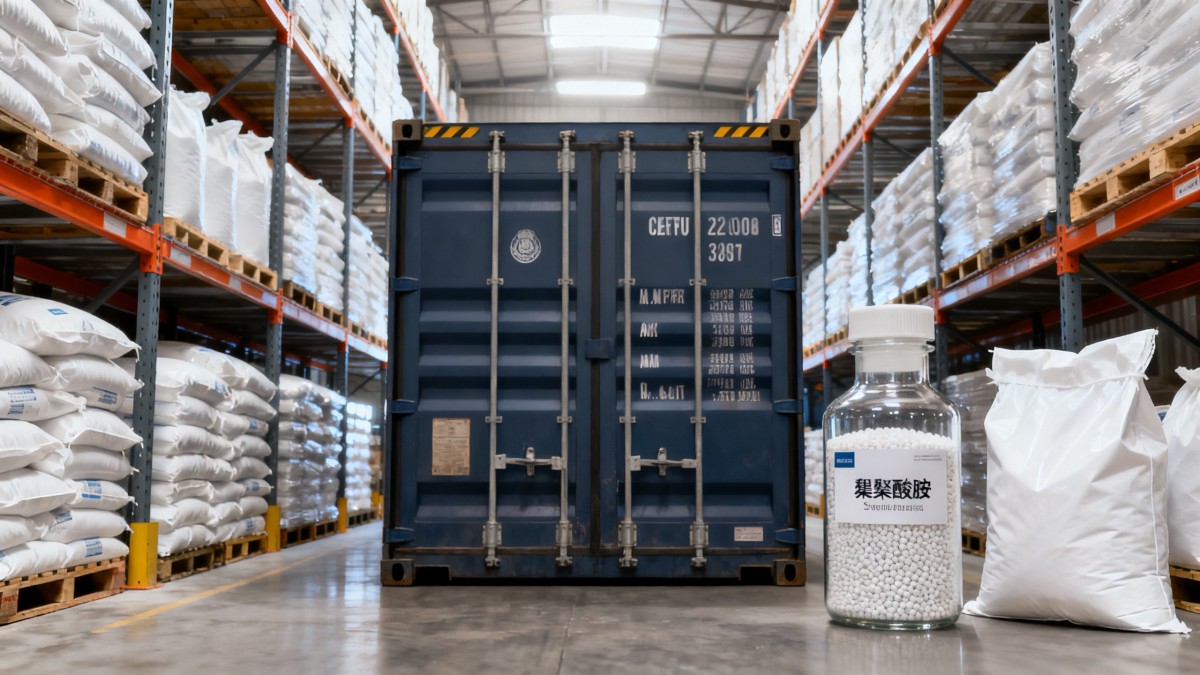
The confirmed development is that the United States has initiated a second antidumping and countervailing duty sunset review on Chinese melamine as of June 1, 2026. The product involved is described as having applications in agricultural slow-release nitrogen fertilizers, feed binders, and polymer material synthesis. Based on the information provided, the outcome of this review will directly affect export eligibility and compliance costs for related chemical products entering the U.S. market over the next five years, and importers are already being prompted to assess alternative suppliers or adjust customs clearance strategies.
Where the Pressure Points May Appear
Trade-facing companies may see compliance risks rise first
From an industry perspective, exporters, importers, and trading firms are likely to feel the earliest effects because the review is tied directly to future U.S. market access and compliance requirements. The most immediate business areas to watch are shipment planning, customer commitments, landed-cost calculations, and documentation readiness tied to U.S. entry procedures.
Procurement teams may need to reassess supplier structure
Analysis shows that companies sourcing melamine or melamine-linked inputs for downstream production may need to review whether current supplier arrangements remain commercially workable if compliance costs change. What deserves closer attention is not only the price of supply, but also supplier continuity, replacement feasibility, and the operational implications of changing origin or customs arrangements.
Downstream manufacturers could face planning uncertainty
Processors and manufacturers using melamine in fertilizer-related, feed-related, or polymer-related applications may not be directly involved in the trade case, but they could still be affected through procurement timing, input availability, and contract execution. Observably, the relevant pressure point is less about immediate disruption and more about whether sourcing and delivery schedules need added flexibility.
Supply chain service providers may need to adjust execution details
Customs brokers, logistics providers, and other supply chain service companies may need to pay closer attention to clearance strategy, supporting paperwork, and shipment sequencing for U.S.-bound cargo. If importer behavior changes in response to the review, service providers may also need to respond to revised documentation expectations or route planning.
What Companies Should Track Next
Watch for further official wording and procedural updates
Analysis shows that the launch of the review is the confirmed event, while the practical impact will depend on later official developments. Companies should therefore distinguish between the fact of initiation and any future rule interpretation, procedural notice, or formal outcome that could affect day-to-day business decisions.
Review product scope and affected business lines
Businesses connected to melamine should map where the product sits in their portfolio, especially if it touches agricultural inputs, feed-related use, or material synthesis. The key operational question is which SKUs, customer orders, or export flows may be exposed to future compliance or clearance changes.
Prepare sourcing and customs contingency plans
Based on the information provided, importers have reason to begin evaluating alternative suppliers or adjusting customs clearance strategies. In practice, this means checking whether backup supply channels exist, whether current shipping plans remain appropriate, and whether internal teams are aligned on possible response options.
Strengthen communication across contracts and delivery cycles
What deserves closer attention is coordination between procurement, sales, logistics, and compliance functions. Where delivery cycles are long or customer requirements are fixed, companies may benefit from clarifying documentation readiness, lead-time assumptions, and communication protocols before any later policy outcome turns into an execution issue.
Why This Matters Beyond a Single Announcement
Observably, this is not yet a final market outcome but a policy process with potentially long commercial relevance. Because the review concerns the next five years of export eligibility and compliance cost conditions for related chemical products entering the United States, the signal is meaningful even before a final determination. It is more appropriate to understand this as a development that combines immediate procedural importance with longer-term strategic implications for supply chain planning.
How the Market May Best Read This Stage
At this stage, the most balanced reading is that the review creates a clear reason for heightened monitoring rather than a basis for definitive conclusions. The confirmed fact is the initiation of the second sunset review; the broader business significance lies in how companies translate that signal into sourcing, customs, and customer-management preparation. For the industry, this is best understood as a continuing development that warrants close follow-up rather than a completed outcome.
Basis of This Article
This article is based on the user-provided news title, event date, and event summary concerning the U.S. second sunset review on Chinese melamine. For this type of development, relevant source categories commonly include official government notices, company disclosures, industry association updates, authoritative media coverage, and standard-setting or regulatory documents. No specific official source link was provided in the input, so the exact source documentation still requires ongoing verification. The main follow-up focus should remain on subsequent official statements, any clarification of procedural scope, and operational signals affecting export eligibility, compliance costs, supplier choice, and customs strategy.
Related Intelligence
- AgrochemicalsUSDA Announces Over $500 Million for Eight Fertilizer Production ProjectsUSDA announces over $500 million for eight fertilizer production projects. Explore how expanded domestic supply could affect farm costs and agricultural supply chains.
- AgrochemicalsAgrochemicals Category Intelligence: Tracking Cost Drivers and Supply RiskExplore agrochemicals category intelligence to track cost drivers, uncover supply risks, and strengthen sourcing decisions. Learn how to negotiate smarter and secure reliable supply.
- AgrochemicalsChina’s Phosphate Fertilizer Exports Near Zero, Tightening Global SupplyChina’s phosphate fertilizer exports near zero in 2026 as sulfur shortages tighten global supply. Explore the risks for importers, prices and sourcing strategies.
The Morning Broadsheet
Daily chemical briefings, market shifts, and peer-reviewed summaries delivered to your terminal.
