

The Authority in Global Agricultural Chemistry & Bio-Resources
How to Reduce Sustainable Input Procurement Cost Without Compromising Supply Quality

How to Reduce Sustainable Input Procurement Cost Without Compromising Supply Quality
For procurement teams, reducing sustainable input procurement cost is no longer a narrow price discussion. It now affects continuity, compliance, brand exposure, and operational resilience.
That shift is especially clear in chemicals, agricultural inputs, bio-based ingredients, feed materials, and technical equipment. Sustainable sourcing decisions now carry financial and quality consequences at the same time.
The real challenge is simple to describe and hard to execute. Buyers must lower cost without opening the door to unstable supply, weak documentation, or inconsistent material performance.
In practice, the best results rarely come from aggressive price cuts alone. They come from sharper supplier selection, cleaner specifications, better forecasting, and disciplined risk control.
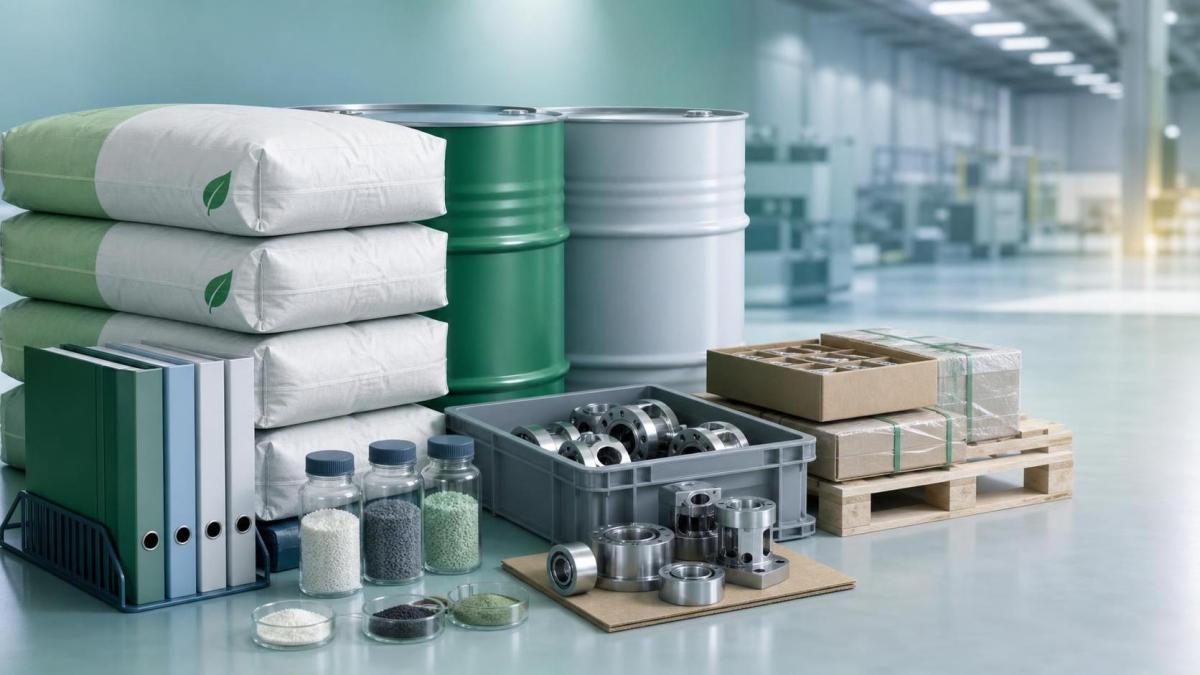
This article breaks down practical ways to reduce sustainable input procurement cost while protecting supply quality. The focus stays on decisions that hold up in real sourcing environments.
Why Sustainable Inputs Often Cost More Than Expected
Many organizations still treat sustainable input procurement cost as a supplier pricing issue. That view misses where hidden expenses usually build up.
A sustainable input may carry certification fees, traceability requirements, tighter handling standards, lower supplier density, and extra qualification work. Those factors increase the total landed cost.
More importantly, buyers often overpay because specifications are unclear. Suppliers then price in uncertainty, buffer capacity, and audit risk.
From recent market behavior, a stronger signal is this: companies that understand cost drivers at a granular level reduce sustainable input procurement cost faster than companies that only negotiate unit price.
The most common hidden cost drivers
- Duplicate audits across regions or product lines.
- Overly narrow technical specifications.
- Emergency freight caused by poor forecast visibility.
- High rejection rates from inconsistent incoming quality.
- Low supplier competition in certified material categories.
- Excess safety stock held to offset supply risk.
Start With Total Cost, Not Bid Price
If the goal is to reduce sustainable input procurement cost, the first step is changing the comparison model. Unit price alone rarely predicts the better sourcing decision.
A cheaper source can become expensive after testing delays, compliance gaps, rework, or short-notice substitutions. In regulated sectors, those failures are rarely minor.
A total cost framework should include logistics, quality control, audit burden, payment terms, inventory impact, and disruption probability. This creates a more realistic baseline.
It also improves supplier conversations. Once cost components are visible, negotiation moves beyond headline pricing and into measurable operational efficiencies.
A practical total cost checklist
- Map base price, freight, duties, and local handling fees.
- Quantify incoming inspection and supplier qualification time.
- Estimate cost of non-conformance, scrap, and line interruptions.
- Measure working capital tied up in safety stock.
- Add the cost of certificates, traceability, and compliance maintenance.
Reduce Sustainable Input Procurement Cost Through Smarter Specifications
This is where many savings are hiding. Buyers often inherit legacy specifications that were built for older markets, older equipment, or unusual internal preferences.
When tolerances are tighter than actual production needs, qualified supplier pools shrink. That immediately raises sustainable input procurement cost and weakens sourcing flexibility.
A disciplined specification review should involve procurement, quality, operations, and technical teams. The question is direct: which requirements are truly critical, and which are habitual?
In real sourcing programs, small changes in moisture range, purity band, packaging format, or batch size can materially lower cost without lowering usable quality.
What to review first
- Minimum and maximum tolerance bands.
- Packaging types that increase waste or freight costs.
- Testing frequency beyond regulatory or process needs.
- Supplier documentation requests that duplicate existing records.
- Small lot requirements that prevent scale pricing.
Build a Tiered Supplier Strategy Instead of Over-Relying on One Source
Single-source dependence often looks efficient on paper. Over time, it can push sustainable input procurement cost higher through weak leverage and concentrated disruption risk.
A stronger model is supplier tiering. Keep one core strategic supplier, add one approved challenger, and maintain a watchlist of emerging regional options.
This structure creates pricing discipline without forcing unstable switching. It also helps preserve supply quality because backup suppliers are qualified before a disruption occurs.
More importantly, a tiered structure gives procurement stronger data in annual reviews. Suppliers tend to respond better when alternatives are credible and technically validated.
What a tiered model delivers
Use Demand Visibility to Prevent Expensive Last-Minute Buying
One of the fastest ways to lose control of sustainable input procurement cost is reactive purchasing. Rush orders almost always erase earlier savings.
Sustainable inputs frequently have longer lead times. Certified raw materials, traceable feed ingredients, and compliant chemical intermediates do not always move on short notice.
That means forecast quality matters more than many teams expect. Better visibility allows suppliers to plan batches, reserve capacity, and consolidate shipments.
In actual business settings, even a rolling 90-day signal can unlock better pricing than sporadic monthly demand spikes.
Forecast actions that lower cost
- Share volume bands instead of waiting for fixed purchase orders.
- Align procurement reviews with production and sales updates.
- Separate stable demand from promotional or seasonal demand.
- Track forecast accuracy by category and supplier.
Negotiate Around Value Levers That Suppliers Can Actually Move
Price negotiations become more productive when they target the supplier’s real cost structure. This matters when trying to reduce sustainable input procurement cost without stressing quality systems.
Many suppliers have limited flexibility on base material costs. They may have more flexibility on packaging, order frequency, minimum runs, payment timing, or logistics coordination.
This also means procurement should bring usable trade-offs to the table. Volume commitments, cleaner forecasts, and fewer rush changes often translate into lower pricing.
The best commercial outcomes usually come from joint planning, not blunt discount pressure.
High-impact negotiation levers
- Convert fragmented orders into scheduled blanket agreements.
- Reduce packaging complexity where operations allow it.
- Offer longer planning windows in exchange for price stability.
- Use multi-site consolidation for stronger total volume leverage.
- Negotiate service-level expectations tied to measurable performance.
Protect Supply Quality With Better Verification, Not More Bureaucracy
Some teams respond to cost pressure by loosening supplier controls too early. Others do the opposite and add endless approval layers that slow everything down.
Neither approach works. To reduce sustainable input procurement cost responsibly, verification has to become sharper, not heavier.
Focus on the few indicators that predict quality drift. These often include batch consistency, corrective action speed, on-time documentation, and change-notification discipline.
When monitoring becomes more targeted, buyers can qualify alternative suppliers faster while keeping risk under control.
A balanced supplier quality scorecard
- Lot acceptance rate.
- Deviation frequency and severity.
- Certificate and traceability accuracy.
- Lead-time reliability.
- Responsiveness to technical inquiries and CAPA requests.
Make Sustainable Input Procurement Cost a Continuous Program
The most durable savings do not come from a one-time sourcing event. They come from an operating rhythm that keeps cost, sustainability, and quality in the same conversation.
That rhythm should include quarterly specification reviews, supplier performance checks, demand updates, and total cost refreshes. Small corrections made early prevent expensive fixes later.
This also changes how teams define success. Lower sustainable input procurement cost is useful only when service levels, compliance confidence, and material performance remain stable.
A practical starting point is straightforward. Audit one high-spend category, remove one non-essential specification, qualify one backup supplier, and rebuild one forecast process.
Those moves are modest, but they compound. Over time, they reduce sustainable input procurement cost while strengthening the quality and resilience that procurement is expected to protect.
In markets shaped by volatility and regulation, that balance is not optional. It is the standard for better purchasing decisions.
Related Intelligence
- Natural IngredientsFreeze-Dried Fruit Ingredients: A Packaging Checklist for Bulk StorageBuying freeze dried fruit ingredients? Use this bulk packaging checklist to assess moisture barriers, seals, and pack sizes, reduce waste, and protect quality from storage to production.
- Natural IngredientsBotanical Ingredient Prices in Europe: Comparing Quotes by Grade and Order VolumeCompare Europe botanical ingredients price quotes by grade and order volume. Discover how potency, testing, delivery, and inventory costs reveal real savings before you buy.
- Natural IngredientsMayonnaise vs. Salad Dressing: Ingredient and Texture DifferencesMayonnaise vs. salad dressing: discover key ingredient, texture, stability, and application differences to choose the right product for every recipe.
The Morning Broadsheet
Daily chemical briefings, market shifts, and peer-reviewed summaries delivered to your terminal.
