

The Authority in Global Agricultural Chemistry & Bio-Resources
EU REACH Adds Three Agrochemical Additives
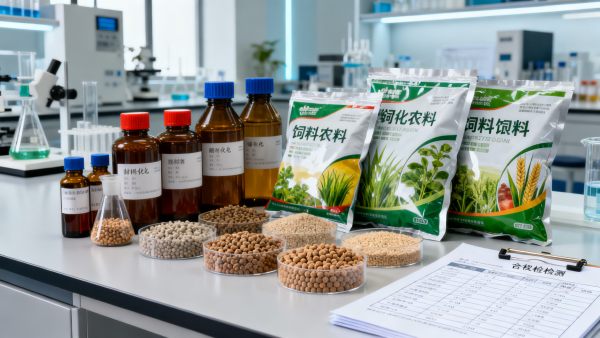
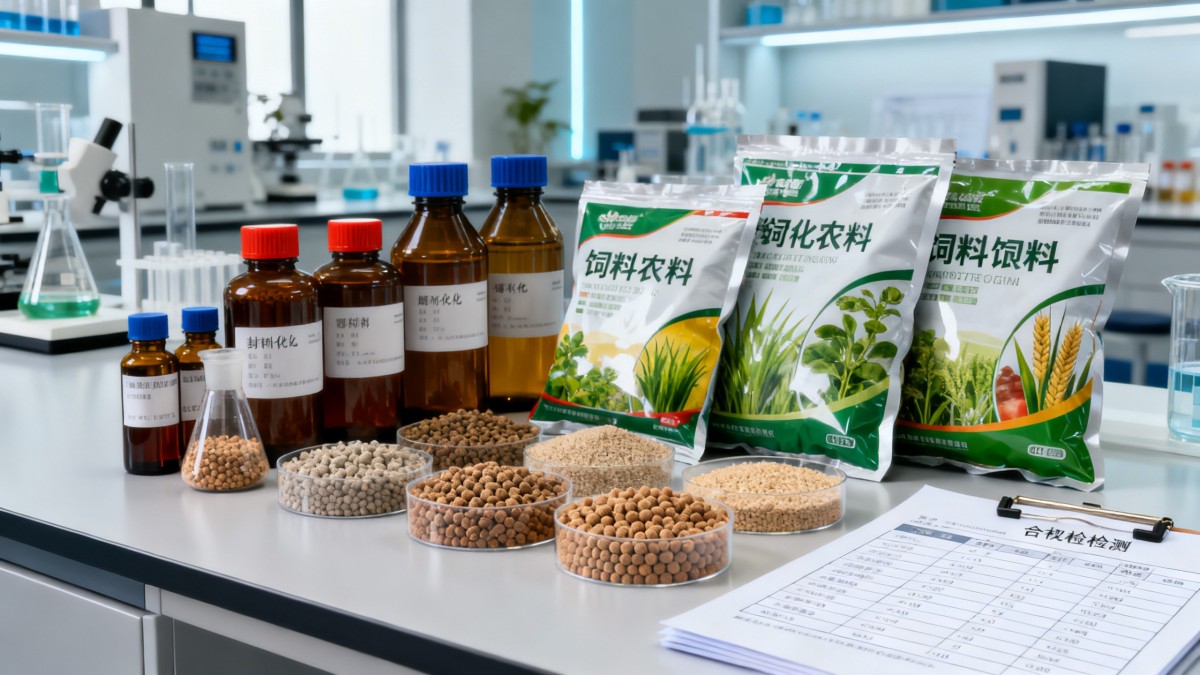
On June 5, 2026, the European Commission released Regulation (EU) 2026/XXXX, adding benzyl benzoate, ethoxyquin and diphenylamine to the REACH Annex XVII restriction list, with mandatory compliance from July 1. The update matters most for exporters of agrochemical formulations, suppliers involved in feed additives and plant protection products, and businesses linked to antioxidant use in commercial feed pellets, because it puts formulation review and supply chain compliance under immediate pressure.
What the new restriction covers
According to the information provided, the new EU measure places benzyl benzoate, ethoxyquin and diphenylamine on the REACH Annex XVII restricted substances list. The rule applies to agrochemical formulations, feed additives and plant protection products that contain these substances. The event date is June 5, 2026, and the implementation point highlighted in the provided information is July 1, when compliance becomes mandatory.
Where the impact is likely to be felt first
Formulation exporters face immediate compliance checks
From an industry perspective, exporters of agrochemicals are likely to feel the impact first because the restriction directly affects whether product formulations align with EU market requirements. The pressure point is not only product composition itself, but also the ability to confirm whether affected ingredients are present in exported products.
Feed additive supply chains need closer substance review
Analysis shows that suppliers connected to feed additives may also be affected where these three substances are part of the product system. The main business issue is whether ingredient portfolios, procurement records and product specifications still match the new compliance threshold implied by the restriction.
Commercial feed pellet antioxidant sourcing comes into focus
What deserves closer attention is the reference to the commercial feed pellet antioxidant supply chain. This suggests that the effect is not limited to finished branded products, but may also extend to upstream sourcing, ingredient substitution discussions and delivery coordination where antioxidant-related materials are involved.
Plant protection product teams may need cross-functional review
Businesses dealing in plant protection products may need to pay attention across regulatory, procurement and customer-facing functions. The likely pressure points are product screening, supporting documentation and communication with EU-side customers or channel partners regarding product status after the restriction takes effect.
What companies should watch now
Track the exact regulatory wording in practice
Analysis shows that companies should pay close attention to the formal wording and practical interpretation of Regulation (EU) 2026/XXXX, especially where product scope, restricted use and compliance evidence affect day-to-day shipments and market access decisions.
Identify affected formulations and product lines quickly
For companies with exposure to agrochemicals, feed additives or plant protection products, the immediate operational priority is to identify which formulations, ingredient combinations or customer orders may involve benzyl benzoate, ethoxyquin or diphenylamine.
Review supplier documents and delivery risk
What deserves closer attention is whether suppliers can provide clear and current substance-related documentation for affected materials. This is especially relevant where procurement cycles, batch delivery, or customer acceptance depend on substance declarations and supporting compliance records.
Prepare customer communication around transition timing
Because mandatory compliance is tied to July 1, companies may need to align internal review timelines with external communication. Observably, the practical issue is not only understanding the rule, but also explaining product status, shipment implications and next-step arrangements to customers and channel partners in time.
Why this looks like more than a routine update
This section is an editorial observation. It is more appropriate to understand this development as an immediate compliance event with broader signaling value, rather than as a distant policy discussion. The confirmed fact is the addition of three substances to the REACH Annex XVII restriction list and the start of mandatory compliance on July 1. The broader industry interpretation is that the EU is reinforcing scrutiny at the substance level in product categories where formulation details and supply chain documentation directly affect market access.
How to read the development at this stage
At this stage, the update is best understood as a short-term regulatory change with potential longer-tail effects on formulation management and supply chain coordination. The direct result is clear for businesses handling affected agrochemical, feed additive and plant protection product categories. The wider business impact, however, still requires continued observation in how companies interpret scope, adjust sourcing and manage customer delivery expectations.
Basis of this article
This article is based on the user-provided news title, event date and summary. For developments of this kind, relevant source types typically include official regulatory notices, company statements, industry association updates, authoritative media coverage and standards-related documents. A specific official source link was not provided in the input, so further verification remains necessary. Continued attention should focus on any follow-up official wording, scope clarification and practical compliance interpretation related to the July 1 implementation point.
Related Intelligence
- AgrochemicalsUSDA Announces Over $500 Million for Eight Fertilizer Production ProjectsUSDA announces over $500 million for eight fertilizer production projects. Explore how expanded domestic supply could affect farm costs and agricultural supply chains.
- AgrochemicalsAgrochemicals Category Intelligence: Tracking Cost Drivers and Supply RiskExplore agrochemicals category intelligence to track cost drivers, uncover supply risks, and strengthen sourcing decisions. Learn how to negotiate smarter and secure reliable supply.
- AgrochemicalsChina’s Phosphate Fertilizer Exports Near Zero, Tightening Global SupplyChina’s phosphate fertilizer exports near zero in 2026 as sulfur shortages tighten global supply. Explore the risks for importers, prices and sourcing strategies.
The Morning Broadsheet
Daily chemical briefings, market shifts, and peer-reviewed summaries delivered to your terminal.
