

The Authority in Global Agricultural Chemistry & Bio-Resources
China’s Phosphate Fertilizer Exports Near Zero, Tightening Global Supply
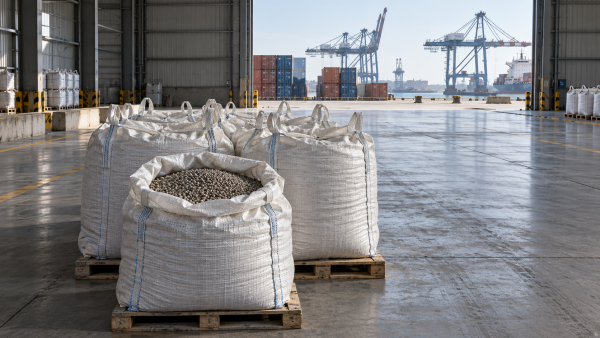
China’s phosphate fertilizer exports have almost stalled in 2026, with shipments falling to near zero from 5.3 million tonnes in 2025, according to Global Agriculture. The report attributes the decline to sulfur shortages upstream and Beijing’s prioritization of domestic demand, adding pressure to global fertilizer supplies and increasing the risk of price volatility.
The two factors create separate constraints on export availability. Sulfur shortages put pressure on production, while the priority given to domestic requirements limits the supply available to overseas buyers. An improvement in raw material availability alone would therefore not necessarily bring a corresponding recovery in exports if domestic supply remains the priority.
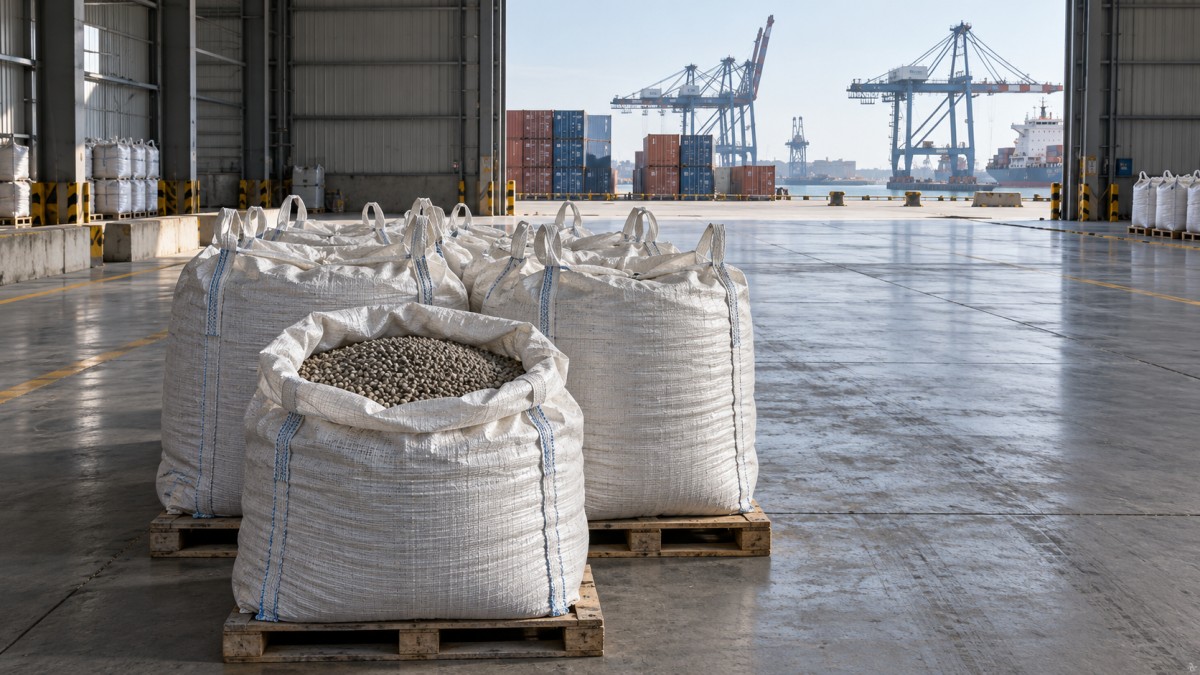
For importers exposed to Chinese supply, the immediate concern is securing replacement volumes and dependable delivery schedules. If the export disruption persists, demand could shift toward alternative suppliers, potentially intensifying competition for available shipments. The extent of that pressure will depend on how much replacement supply can reach buyers and how quickly.
The reported decline points to tighter availability, but it does not establish the scale or duration of any price increase. Reduced export supply can put upward pressure on procurement costs, while actual price movements will also depend on demand and the availability of alternatives. A near halt in shipments should therefore be read as a supply risk rather than evidence of a uniform price response across fertilizer markets.
The key developments to watch are sulfur availability, China’s domestic supply priorities and whether export shipments resume. A sustained recovery in deliveries would ease one source of international supply pressure; continued disruption would leave buyers more dependent on alternative sources.
Related Intelligence
- AgrochemicalsChina’s Phosphate Fertilizer Exports Near Zero, Tightening Global SupplyChina’s phosphate fertilizer exports near zero in 2026 as sulfur shortages tighten global supply. Explore the risks for importers, prices and sourcing strategies.
- AgrochemicalsWhat Are the Main Risks of Non-Transparent Agricultural Supply Chains?what are the main risks of non transparent agri supply chains? Explore traceability, compliance, contamination, disruption, and cost risks—plus practical controls.
- AgrochemicalsGrain Production: Key Practices for Improving Yield While Protecting Soil HealthGrain production strategies to improve yield, protect soil health, manage nutrients, reduce compaction, and build resilient fields for lasting results.
The Morning Broadsheet
Daily chemical briefings, market shifts, and peer-reviewed summaries delivered to your terminal.