

The Authority in Global Agricultural Chemistry & Bio-Resources
Organic Psyllium Husk Powder Uses, Grades, and What to Check Before Buying
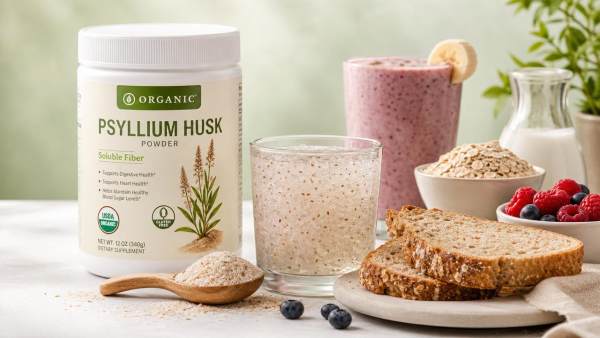
Organic Psyllium Husk Powder Uses, Grades, and What to Check Before Buying
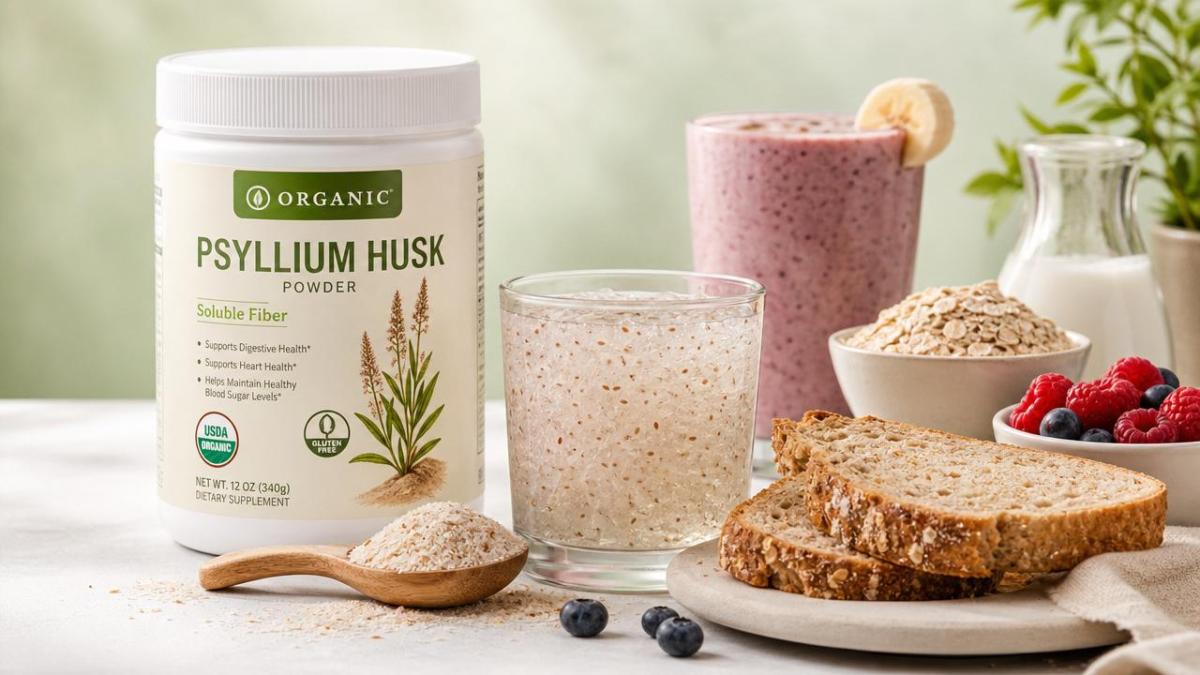
From digestive wellness to clean-label recipes, organic psyllium husk powder is showing up in more carts and kitchens.
That growing interest makes sense. It is versatile, fiber-rich, and easy to add to daily routines.
Still, buying the right organic psyllium husk powder is not as simple as picking the cheapest jar.
Differences in grind, purity, certification, and testing can affect texture, performance, and overall value.
A smart purchase starts with knowing how organic psyllium husk powder is used, how grades differ, and which claims deserve a closer look.
What Organic Psyllium Husk Powder Is and Why Buyers Care
Organic psyllium husk powder comes from the outer husk of Plantago ovata seeds.
When mixed with water, it forms a gel-like texture. That behavior explains most of its practical uses.
People often buy organic psyllium husk powder for digestive regularity, stool bulking, and fiber support.
It also matters in gluten-free baking, smoothies, low-carb cooking, and clean-label food formulation at home.
The word “organic” matters because many buyers want fewer synthetic pesticide concerns and better alignment with natural product standards.
More importantly, organic claims often push shoppers to compare certification, sourcing, and manufacturing transparency before buying.
Common Uses of Organic Psyllium Husk Powder
The best organic psyllium husk powder products perform well in several everyday situations.
1. Digestive fiber support
This is the most recognized use. The soluble fiber helps support regular bowel movement patterns.
Many buyers prefer organic psyllium husk powder because it is simple, plant-based, and easy to portion.
2. Baking and texture improvement
In gluten-free bread, pizza dough, or crackers, it helps hold moisture and improve structure.
A finer organic psyllium husk powder usually blends more evenly and creates a smoother dough.
3. Smoothies and daily wellness routines
Some people mix organic psyllium husk powder into shakes, yogurt, or juice for extra fiber.
This use sounds easy, but texture matters. Poor grinding can leave a gritty mouthfeel.
4. Low-carb and keto recipes
It is widely used in low-carb cooking to add body without conventional flour.
That makes organic psyllium husk powder popular in specialty diets where texture can otherwise feel disappointing.
Understanding Grades Before You Buy
Not every organic psyllium husk powder product is processed to the same standard.
“Grade” can refer to purity, particle size, color, swelling ability, and intended use.
Food grade
Food grade organic psyllium husk powder is meant for direct consumption in recipes or beverages.
It should offer acceptable taste neutrality, color consistency, and a clean label presentation.
Supplement grade
Supplement-focused products may emphasize fiber content, purity, and lab verification more strongly.
This grade is often sold in capsules, sachets, or bulk powder for measured daily intake.
Particle size and grind quality
Fine powder usually hydrates faster. Coarser material may work better in some baking formulas.
This is why the “best” organic psyllium husk powder depends on how it will actually be used.
Color and cleanliness
Lighter color can suggest cleaner processing, though it should not be judged alone.
A trustworthy organic psyllium husk powder product should also have minimal foreign matter and a fresh, neutral smell.
What to Check Before Buying Organic Psyllium Husk Powder
This is where purchase decisions become clearer. A few checks can prevent wasted money and poor results.
Verify organic certification
Look for recognized certification details, not just a large “organic” claim on the front label.
Clear certifier information adds confidence that the organic psyllium husk powder meets defined standards.
Check country of origin and processing
Origin alone does not guarantee quality, but traceability matters.
Products that disclose sourcing and processing sites usually signal better supply chain control.
Ask for testing details
Good organic psyllium husk powder should be tested for microbiological safety, heavy metals, and contaminants.
Third-party testing is especially useful when comparing similar products at different price points.
Review ingredient simplicity
The ingredient list should be short and clear.
If buying plain organic psyllium husk powder, extra fillers, sweeteners, or unnecessary flow agents can reduce value.
Compare texture and hydration behavior
Customer reviews can help here, especially for recipe use.
If comments repeatedly mention clumping, bitterness, or sandy texture, move on.
Price, Value, and Hidden Cost Signals
Price matters, but the lowest number rarely tells the full story.
Cheap organic psyllium husk powder may look attractive until poor texture or weak performance forces a replacement purchase.
A better comparison method is cost per serving, purity level, and expected use.
In practical terms, paying slightly more for a reliable organic psyllium husk powder can lower overall cost and frustration.
Red Flags That Should Not Be Ignored
Some warning signs appear again and again in low-quality listings.
- No visible organic certifier or vague compliance claims
- No testing information for contaminants or microbes
- Unusually low price without a clear reason
- Strong odor, odd color, or frequent texture complaints
- Confusing labels that mix husk, powder, and blends
These signs do not always prove a bad product, but they do justify extra caution.
A Simple Buying Checklist
If the options feel crowded, use a short checklist to narrow them quickly.
- Confirm the product is plain organic psyllium husk powder
- Match grind size to intended use
- Check certification and country traceability
- Look for third-party testing or batch quality data
- Compare price by serving, not by package alone
- Read texture-focused reviews before final purchase
That process takes only a few minutes, yet it sharply improves the odds of choosing the right product.
Final Takeaway
Organic psyllium husk powder can be a useful buy for wellness routines, baking, and clean-label cooking.
The smarter move is to focus on grade, purity, texture, certification, and test transparency together.
When organic psyllium husk powder checks those boxes, it usually delivers better results and better value.
Before buying, compare two or three options side by side and let evidence, not label hype, guide the final choice.
Related Intelligence
- Natural IngredientsFreeze-Dried Fruit Ingredients: A Packaging Checklist for Bulk StorageBuying freeze dried fruit ingredients? Use this bulk packaging checklist to assess moisture barriers, seals, and pack sizes, reduce waste, and protect quality from storage to production.
- Natural IngredientsBotanical Ingredient Prices in Europe: Comparing Quotes by Grade and Order VolumeCompare Europe botanical ingredients price quotes by grade and order volume. Discover how potency, testing, delivery, and inventory costs reveal real savings before you buy.
- Natural IngredientsMayonnaise vs. Salad Dressing: Ingredient and Texture DifferencesMayonnaise vs. salad dressing: discover key ingredient, texture, stability, and application differences to choose the right product for every recipe.
The Morning Broadsheet
Daily chemical briefings, market shifts, and peer-reviewed summaries delivered to your terminal.
