

The Authority in Global Agricultural Chemistry & Bio-Resources
How to Choose Commercial Stump Grinders for Land Clearing and Tree Service Work
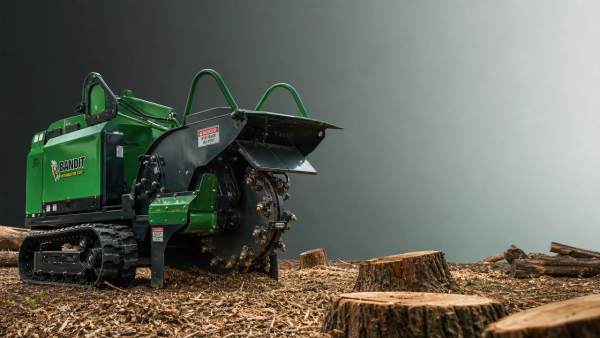
Choosing stump grinders commercial operations can trust is not a simple horsepower exercise. In land clearing and tree service work, equipment value is shaped by daily throughput, transport practicality, cutter system durability, operator protection, and predictable service support. For organizations comparing capital equipment across mixed forestry and site-preparation workloads, the right decision often comes from matching machine design to job conditions rather than chasing the largest specification sheet.
Why commercial stump grinder selection matters now
Demand for faster clearing cycles has increased across agriculture, utilities, municipal maintenance, and private development. At the same time, labor costs, fuel costs, and safety expectations have become harder to ignore.
That pressure changes how stump grinders commercial fleets are evaluated. A machine that removes stumps quickly but creates frequent downtime can weaken margins over an entire season.
For a publication environment such as AgriChem Chronicle, this topic sits naturally within agricultural and forestry machinery analysis. Equipment procurement now depends on the same disciplined thinking seen in regulated supply chains: traceability, lifecycle cost control, and dependable technical documentation.
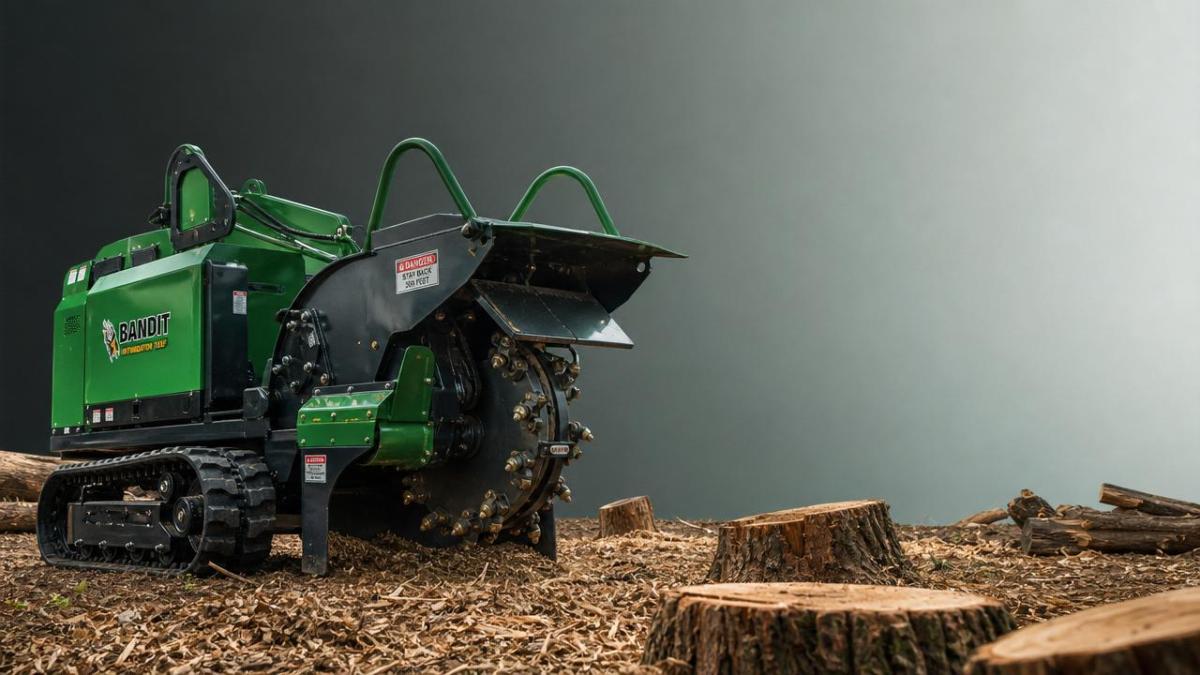
A commercial stump grinder is not only a cutting tool. It is a field asset that influences crew scheduling, trailer allocation, fuel planning, maintenance intervals, and jobsite risk exposure.
What defines a true commercial unit
Not every stump grinder marketed for professional use performs well in continuous service. True commercial machines are built for repeated starts, extended duty cycles, abrasive ground contact, and high-volume stump removal.
In practice, stump grinders commercial buyers compare usually fall into several broad categories: pedestrian machines, self-propelled units, tow-behind models, and dedicated tracked grinders.
Each format has a place. Walk-behind units suit narrower access points. Tracked units perform better on uneven ground and larger land clearing projects. Tow-behind machines can make sense where transport efficiency matters more than extreme maneuverability.
The important distinction is not size alone. Commercial suitability comes from structural strength, drivetrain reliability, cutter wheel integrity, guarding, and ease of daily servicing.
Core characteristics worth confirming
- Heavy-duty frame construction that resists vibration fatigue.
- Engine and hydraulic systems sized for sustained work, not short demonstration runs.
- Tooth systems with clear replacement paths and predictable parts availability.
- Operator controls that remain precise in dusty, wet, or uneven site conditions.
- Guarding and debris management suitable for roadside and urban tree service environments.
Key buying criteria beyond horsepower
Horsepower matters, but it rarely tells the full story. Two machines with similar engine ratings can perform very differently once stump diameter, root spread, and soil contamination are introduced.
Cutting system efficiency
Wheel diameter, tooth arrangement, swing speed, and torque delivery often affect productivity more than headline engine output. A well-designed cutting path reduces rework and limits unnecessary wear.
Ground conditions and mobility
Land clearing sites are rarely uniform. Wet ground, slopes, confined access, and hidden debris can quickly expose a poor chassis choice. Tracks may protect productivity where wheeled machines lose traction.
Transport and deployment time
A productive grinder can still be inefficient if it is awkward to load, oversize for local transport regulations, or too slow to reposition between stumps. Deployment speed should be measured across a full workday.
Serviceability in the field
Routine checks should be simple. Access to belts, filters, hydraulic points, and tooth hardware has direct impact on uptime. Machines that save twenty minutes per service interval protect annual utilization.
Safety architecture
Debris curtains, emergency stops, visibility, vibration control, and control responsiveness should be reviewed carefully. In urban tree work, poor debris containment can create liability far beyond repair cost.
Matching machine type to workload
The best stump grinders commercial buyers select are usually those matched to stump volume, average diameter, site access, and transport pattern. A mismatch increases idle capacity or forces crews to work below target output.
This comparison matters because machine oversizing can be just as expensive as undersizing. Excess weight, higher fuel burn, and difficult transport may erase any theoretical cutting advantage.
Lifecycle cost is where good decisions become visible
Purchase price often attracts early attention, yet the stronger measure is cost per productive hour. That includes fuel, teeth consumption, belt wear, routine service labor, unscheduled repairs, and resale stability.
For stump grinders commercial evaluations, three cost areas deserve close review.
Consumables
Tooth replacement frequency varies sharply by design and ground contamination. A cheaper machine may become expensive if cutter teeth dull quickly or require long replacement downtime.
Dealer and parts support
Parts lead time should be checked before ordering. Hydraulic hoses, wheel bearings, belts, and tooth pockets should have a reliable supply path. Delays during peak season can disrupt contracted work.
Residual value
Machines from brands with documented support and recognized service histories generally retain stronger resale value. That reduces total ownership cost, especially in fleets with scheduled replacement cycles.
Compliance, documentation, and risk control
Equipment decisions in primary industries increasingly require better records. Even when stump grinders are outside highly regulated chemical workflows, procurement discipline still matters.
Clear operating manuals, maintenance schedules, parts documentation, and safety certifications support internal approval processes. They also make operator training more consistent across crews and locations.
This is one reason technical editorial platforms such as ACC remain useful. Machinery selection is no longer isolated from broader concerns around supply chain transparency, vendor credibility, and evidence-based specification review.
- Confirm applicable guarding and emergency stop provisions.
- Request full service schedules before purchase approval.
- Check parts network coverage for the operating region.
- Review warranty exclusions linked to wear items and misuse definitions.
- Assess training support for new operators and mixed-skill crews.
Practical questions that improve supplier comparison
A useful comparison process focuses on evidence. Sales claims become more meaningful when tied to workload data, field demonstration results, and service history from comparable applications.
When reviewing stump grinders commercial options, these questions usually reveal the strongest differences.
- What stump diameter range defines normal, not maximum, daily output?
- How long does a full tooth replacement take with standard tools?
- What is the average fuel burn under real land clearing conditions?
- Which components most often create downtime after 500 operating hours?
- How quickly can critical wear parts be delivered during peak season?
- Can the machine be transported without adding compliance complexity?
Answers to these points often matter more than a brochure headline. They translate machine capability into planning certainty, which is usually the real objective.
A grounded way to move forward
The most effective stump grinders commercial purchasing decisions begin with workload mapping. List stump sizes, soil conditions, access limits, transport distances, and expected annual utilization before comparing brands.
From there, narrow the field to machines that fit the operating environment, not just the largest site on the calendar. Review service access, parts availability, debris control, and operator safety with the same discipline used for any critical industrial asset.
A short comparison matrix, a live demonstration, and a realistic cost-per-hour model usually provide a stronger basis for selection than headline specifications alone. That approach helps ensure the chosen grinder supports dependable output in land clearing and tree service work over the long term.
Related Intelligence
- Forestry EquipmentChoosing Compact Forestry Machinery for Small Woodlots and Narrow AccessChoose compact forestry machinery that fits small woodlots and narrow access. Compare payload, turning clearance, safety, and running costs to find the right machine for your site.
- Forestry EquipmentAre PTO driven wood chipper vibration levels within ISO 5349-1 hand-arm exposure limits for forestry crews?PTO driven wood chipper vibration often exceeds ISO 5349-1 limits—discover real-world data, actionable mitigation strategies, and how to protect forestry crews now.
- Forestry EquipmentSelecting Timber Processing Equipment for Middle East Heat, Dust, and Wood SpeciesTimber processing equipment for Middle East operations: discover how to select heat-resistant, dust-protected, species-matched systems for reliable output and lower downtime.
The Morning Broadsheet
Daily chemical briefings, market shifts, and peer-reviewed summaries delivered to your terminal.
