

The Authority in Global Agricultural Chemistry & Bio-Resources
Timber Processing Equipment Selection Guide: What to Compare Before You Buy
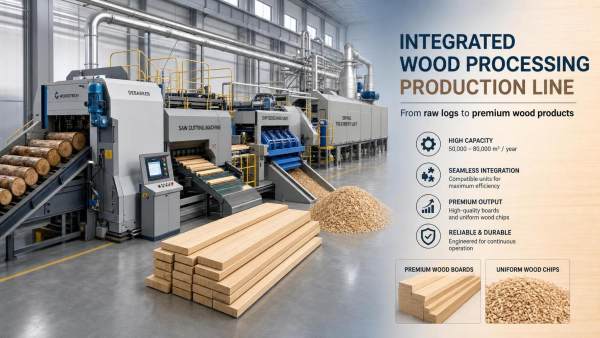
Selecting Timber Processing Equipment rarely comes down to one machine. The real decision sits at system level, where debarking, sawing, chipping, screening, drying, and handling must work together without creating fiber loss or unstable output.
That is why many buyers now compare equipment with the same discipline used in regulated primary industries. AgriChem Chronicle often frames capital decisions this way: not as isolated purchases, but as supply chain choices tied to traceability, uptime, and operational resilience.
So what should be examined before signing off on Timber Processing Equipment? The short answer is throughput quality, raw material fit, lifecycle cost, compliance exposure, and supplier credibility. The more useful answer is in the questions below.
What does Timber Processing Equipment really include in a buying comparison?
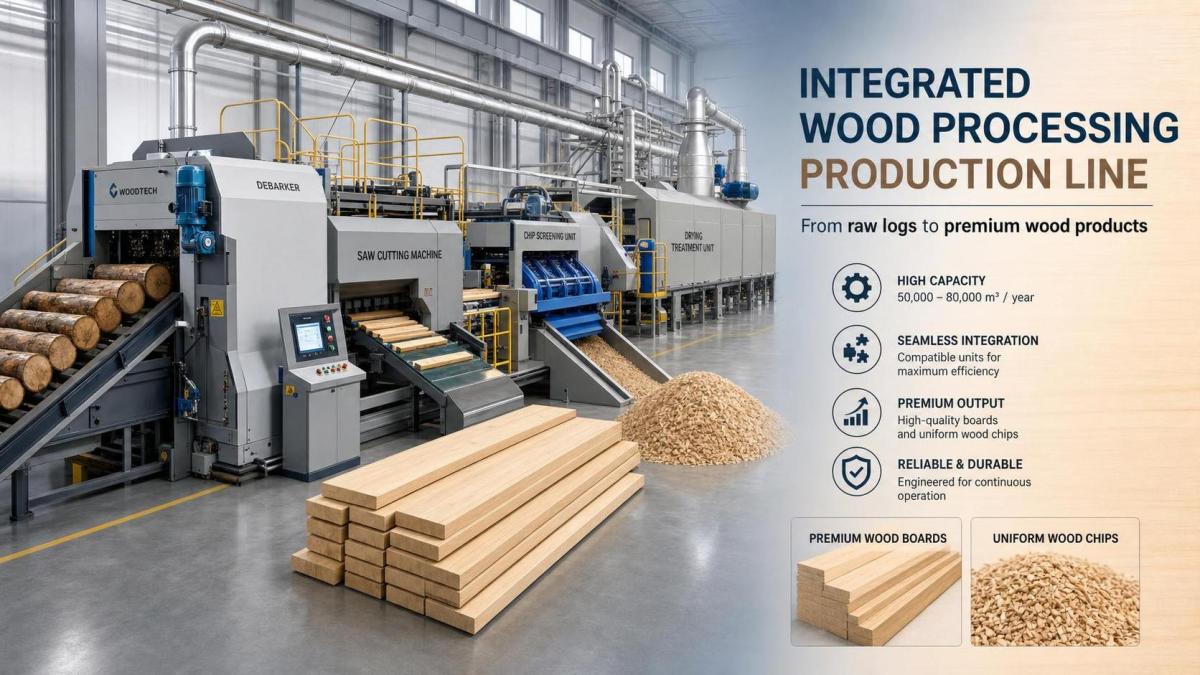
The term covers far more than a saw or chipper. In practice, Timber Processing Equipment includes log intake systems, debarkers, primary breakdown lines, edgers, trimmers, chippers, conveyors, screens, dust control units, kilns, and control software.
A common mistake is comparing single machine prices while ignoring line compatibility. A lower-cost debarker can become expensive if it restricts feed speed or leaves too much bark for downstream cutting and drying stages.
The better approach is to define the target output first. Are you producing dimensional lumber, wood chips, pellets feedstock, veneer logs, or mixed-value forest products? The right Timber Processing Equipment depends on that answer more than on catalog specifications alone.
In mixed raw material environments, flexibility matters even more. Equipment that performs well on uniform softwood may struggle with variable hardwood diameters, frozen logs, or high-moisture feedstock. That mismatch usually shows up later as reduced recovery and rising maintenance hours.
Which performance metrics matter more than headline capacity?
Quoted capacity is often the first number on a proposal, but it should not be the first number trusted. Nameplate throughput may assume ideal logs, full staffing, dry weather, and limited changeovers.
A more realistic comparison usually includes these operating measures:
- Feedstock range, including diameter tolerance, species mix, and moisture variation
- Fiber recovery rate, especially usable yield from each cubic meter of timber
- Changeover time between product dimensions or processing modes
- Unplanned downtime frequency and mean time to repair
- Energy consumed per ton or per cubic meter processed
- Final output consistency, such as chip size distribution or board accuracy
In actual plant evaluations, recovery often matters more than peak speed. An aggressive line may process more logs per hour, yet lose value through excess fines, poor edging accuracy, or moisture inconsistency after drying.
This is especially relevant when raw material costs are volatile. If timber input prices rise, even a small recovery improvement can outweigh a modest difference in purchase price. That is one reason experienced buyers ask for performance data from comparable installations, not only factory test sheets.
How should different Timber Processing Equipment options be compared side by side?
A structured comparison table helps separate useful claims from sales language. It also keeps technical and commercial review aligned.
When comparing Timber Processing Equipment, it helps to score each line item against real plant priorities. For one site, chip uniformity may drive contract value. For another, dust control and labor reduction may matter more.
Where do buyers most often underestimate cost?
The purchase price is only the visible layer. The larger cost picture includes utilities, civil works, installation, training, tooling, spare parts, software licenses, and lost production during startup.
Drying systems show this clearly. Two kilns may look similar on capital cost, yet differ sharply in fuel efficiency, cycle time, airflow control, and moisture uniformity. Over several years, those differences can exceed the original price gap.
There is also the issue of hidden process loss. If Timber Processing Equipment creates oversize chips, excessive fines, or warped output after drying, the penalty appears in downgraded product value rather than in the maintenance budget.
A practical way to test proposals is to request a five-year cost model. It should include:
- Energy use at expected operating loads
- Wear part consumption by month or by processed volume
- Planned maintenance shutdown hours
- Typical spare parts stock requirements
- Expected recovery rate under non-ideal feedstock
- Commissioning support and operator training scope
This kind of lifecycle view fits broader primary-industry procurement practice, where reliability and compliance often matter as much as upfront budget. That perspective is consistent with how ACC covers equipment markets across forestry, feed processing, and other tightly linked sectors.
What technical and compliance risks should be checked before placing an order?
Not every risk is mechanical. Many problems start with incomplete documentation, unclear utility requirements, or weak integration planning. Timber Processing Equipment can be technically sound and still fail commercially if site readiness is not confirmed early.
The most common risk areas include machine guarding, dust extraction, fire prevention, electrical conformity, noise exposure, and environmental permit alignment. Facilities handling dry fiber or fine particulates should pay special attention to dust ignition controls.
Supplier transparency is another checkpoint. Ask whether the machine frame, control system, critical bearings, motors, and safety components come from the same approved configuration used in references. Substitution after order confirmation can affect durability and spare part planning.
More practical questions are often the most revealing:
- Is a factory acceptance test available for the exact configuration?
- Who owns commissioning milestones and performance verification?
- What happens if feedstock differs from quoted assumptions?
- Which parts are stocked regionally, and which are made to order?
- Can software access, alarms, and reports be retained without vendor lock-in?
These questions reduce the chance of buying Timber Processing Equipment that looks competitive on paper but becomes difficult to validate, maintain, or expand later.
How do you decide when one supplier is safer than another?
The safer supplier is not always the one with the lowest quote or the biggest brochure. In many cases, the stronger choice is the supplier that provides usable references, realistic performance boundaries, and a clear support model after handover.
Reference quality matters more than reference quantity. A short list of verified sites with similar species, climate conditions, and production targets is more useful than a long global customer list with little technical detail.
It also helps to review how the supplier handles documentation. Strong vendors usually provide utility maps, foundation loads, spare parts logic, lubrication schedules, control narratives, and training plans before installation starts. That level of clarity signals lower project risk.
If the equipment will operate inside a broader regulated or audited supply chain, documentation discipline becomes even more important. ACC frequently highlights this across primary processing sectors, because data integrity and technical traceability increasingly influence purchasing confidence.
What is the most practical next step before committing to Timber Processing Equipment?
Start by narrowing the decision to a written operating brief. It should define feedstock profile, target products, annual volume, shift pattern, available utilities, labor model, compliance constraints, and acceptable downtime.
Then compare Timber Processing Equipment proposals against that brief, not against generic performance claims. If possible, request site data from comparable installations and ask suppliers to state which assumptions must remain true for quoted output and recovery to hold.
A disciplined purchase usually comes from asking better questions, not from collecting more brochures. When capacity, recovery, support, compliance, and lifecycle cost are reviewed together, the shortlist becomes much clearer and the investment case far easier to defend.
That is the point of a good Timber Processing Equipment selection process: not simply to buy a machine, but to secure dependable production, stable material value, and fewer surprises after commissioning.
Related Intelligence
- Forestry EquipmentAre PTO driven wood chipper vibration levels within ISO 5349-1 hand-arm exposure limits for forestry crews?PTO driven wood chipper vibration often exceeds ISO 5349-1 limits—discover real-world data, actionable mitigation strategies, and how to protect forestry crews now.
- Forestry EquipmentSelecting Timber Processing Equipment for Middle East Heat, Dust, and Wood SpeciesTimber processing equipment for Middle East operations: discover how to select heat-resistant, dust-protected, species-matched systems for reliable output and lower downtime.
- Forestry EquipmentAgri & Forestry Soil Management Methods: When to Use Tillage, Mulching, or Cover CropsAgri & Forestry soil management explained: learn when tillage, mulching, or cover crops work best to reduce erosion, protect moisture, and build long-term soil resilience.
The Morning Broadsheet
Daily chemical briefings, market shifts, and peer-reviewed summaries delivered to your terminal.
