

The Authority in Global Agricultural Chemistry & Bio-Resources
Pharmaceutical Ingredients Quality Standards: How to Evaluate Purity and Compliance
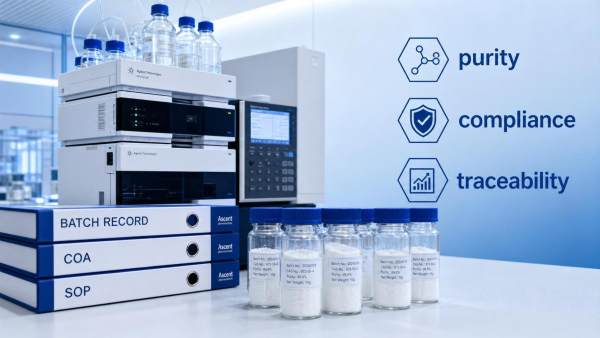
Evaluating Pharmaceutical Ingredients starts well before a batch reaches incoming inspection. A certificate of analysis matters, but it is only one layer of evidence.
Purity, residual solvents, elemental impurities, microbiological status, and documentation integrity all shape real suitability for pharmaceutical use.
That pressure is growing across fine chemicals and regulated supply chains. Global sourcing has widened options, yet it has also increased audit exposure, specification drift, and traceability risk.
In that environment, Pharmaceutical Ingredients must be judged through a practical compliance lens, not a narrow price comparison or a single release document.
Why quality standards now carry broader business weight
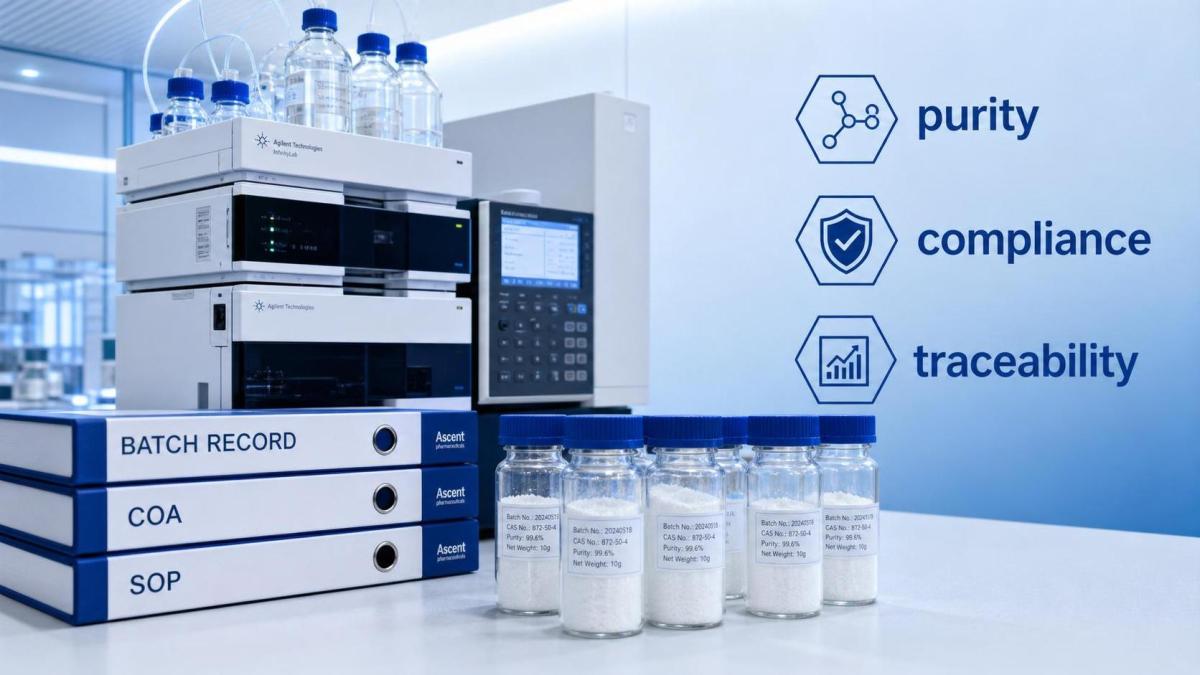
A modern API or excipient program sits inside a much larger industrial system. Raw materials, synthesis routes, transport conditions, storage controls, and regulatory expectations are tightly linked.
A small impurity shift can trigger stability concerns. A documentation gap can delay release. A weak supplier change process can create downstream deviations months later.
This is why industry journals such as AgriChem Chronicle increasingly connect pharmaceutical sourcing with broader primary industries and fine chemical intelligence.
The same market forces affecting agricultural chemicals, bio-extracts, and processing inputs also affect Pharmaceutical Ingredients: tighter oversight, volatile feedstocks, and more scrutiny on origin and process control.
For compliance teams, the real question is not whether a material looks acceptable on paper. It is whether the full quality system behind it can withstand inspection and routine production use.
What purity really means in Pharmaceutical Ingredients
Purity is often misunderstood as a single assay number. In practice, it is a combined picture of identity, strength, impurity profile, and consistency against an approved specification.
A 99.5% assay may still hide unacceptable genotoxic impurities, catalyst residues, or degradation markers. High assay alone does not confirm full compliance.
For many Pharmaceutical Ingredients, purity evaluation should include both quantitative and contextual checks:
- Identity confirmation through validated analytical methods
- Assay against pharmacopoeial or approved internal limits
- Specified and unspecified impurity review
- Residual solvent and elemental impurity limits
- Moisture, particle size, and polymorphic form where relevant
- Microbiological attributes for sensitive materials
The analytical method matters as much as the result. If the method lacks sensitivity, selectivity, or validation support, reported purity may not reflect actual risk.
Compliance depends on more than meeting a specification
Pharmaceutical Ingredients can meet release limits and still fail a compliance review. That usually happens when manufacturing controls, records, or change management are weak.
A compliant material should align with the relevant framework, which may include GMP expectations, ICH guidance, pharmacopoeial monographs, DMF support, and regional filing requirements.
FDA, EMA, and other agencies rarely assess quality through one document. They assess whether the batch reflects a controlled and reproducible system.
That means supplier qualification, deviation handling, out-of-specification investigations, data integrity, and traceable records all influence the final quality decision.
Core compliance signals to review
Common risk points hidden behind acceptable paperwork
Some of the most serious issues emerge when documents appear complete. The problem is often not absence of paperwork, but poor alignment between paperwork and manufacturing reality.
One frequent example is inconsistent impurity control after a route optimization. The material still passes assay, yet the impurity fingerprint changes enough to affect downstream validation.
Another is supplier subcontracting without transparent disclosure. Secondary processing, repacking, or warehousing can alter chain of custody and introduce contamination or labeling risk.
For moisture-sensitive Pharmaceutical Ingredients, packaging performance is also critical. A correct batch result at release does not guarantee the same condition after ocean freight or long storage.
Questions worth asking during review
- Was the current specification updated after process changes?
- Do impurity limits reflect toxicological relevance or only historical practice?
- Are transport and storage conditions validated for the material’s stability profile?
- Is the certificate of analysis supported by raw analytical data when needed?
- Has the supplier disclosed all manufacturing and testing locations?
How to assess Pharmaceutical Ingredients in day-to-day operations
In practical terms, evaluation works best when technical review and supplier oversight are connected. A strong program does not treat sourcing, quality documentation, and laboratory confirmation as separate tasks.
A useful approach is to rank Pharmaceutical Ingredients by patient risk, process sensitivity, and supply complexity. High-risk materials deserve deeper qualification and tighter ongoing monitoring.
Routine review can follow a simple progression:
- Confirm the current specification, method version, and regulatory basis
- Compare the batch record package with prior lots and trend results
- Check critical impurities, not only the release assay
- Review supplier performance, deviations, and change notifications
- Decide whether reduced, standard, or heightened testing is justified
This kind of structure improves audit readiness because decisions are documented through risk logic rather than habit or convenience.
Why supply chain transparency has become a quality standard
For Pharmaceutical Ingredients, transparency is no longer a secondary procurement issue. It is part of quality assurance.
Supply disruptions, geopolitical shifts, and stricter cross-border controls have made origin visibility more valuable. This is especially true for multi-step synthesis and bio-derived intermediates.
AgriChem Chronicle often tracks these broader raw material movements because purity and compliance do not exist in isolation. Feedstock volatility, energy costs, and regional enforcement trends can all affect batch consistency.
When a supplier can clearly map source materials, manufacturing sites, and control points, confidence in the finished ingredient becomes easier to justify and defend.
Signals of a transparent supply partner
- Clear disclosure of process flow and quality responsibilities
- Timely notification of site, route, or material-source changes
- Accessible audit records and response quality during technical review
- Consistent lot history, complaint handling, and CAPA follow-through
Turning evaluation into a repeatable decision framework
The most effective quality standard is one that can be applied consistently across new sources, alternate grades, and requalification cycles.
That usually means building an internal scorecard for Pharmaceutical Ingredients that combines laboratory data, compliance evidence, and supplier behavior.
The scorecard does not need to be complex. It should make it easy to distinguish a technically acceptable batch from a strategically dependable material.
A disciplined review of purity, impurity control, regulatory support, and traceability gives teams a firmer basis for release, sourcing continuity, and inspection response.
The next step is practical: revisit the highest-risk Pharmaceutical Ingredients in the current portfolio, compare specification data with supplier system evidence, and identify where stronger verification would reduce exposure.
That process often reveals the same truth. Reliable compliance is not proven by a document alone. It is proven by the quality system that stands behind every batch.
Related Intelligence
- APIs & IntermediatesEnzyme-Based Process Engineering: Designing Robust Biocatalytic Scale-UpEnzyme based process engineering for robust biocatalytic scale-up: optimize reactor control, transfer limits, recovery, and GMP-aligned manufacturing.
- APIs & IntermediatesWhat Role Does Compliance Play in Pharmaceutical Ingredient Sourcing?What role does compliance play in pharma ingredient sourcing? Discover how GMP, traceability, audits, and quality agreements protect supply, quality, and market access.
- APIs & IntermediatesWhat Should a Procurement Intelligence Library Include for Better Supplier Decisions?Procurement intelligence library essentials: evaluate supplier capability, compliance, performance, and supply-chain risk to make smarter, more resilient buying decisions.
The Morning Broadsheet
Daily chemical briefings, market shifts, and peer-reviewed summaries delivered to your terminal.
