

The Authority in Global Agricultural Chemistry & Bio-Resources
Aquaculture & Fishery Feed Formulation: Key Nutrients, Raw Materials, and Cost Control
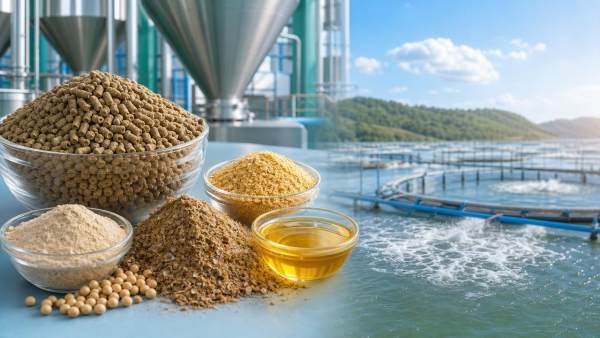
Why Aquaculture & Fishery Feed Formulation Changes with Production Conditions
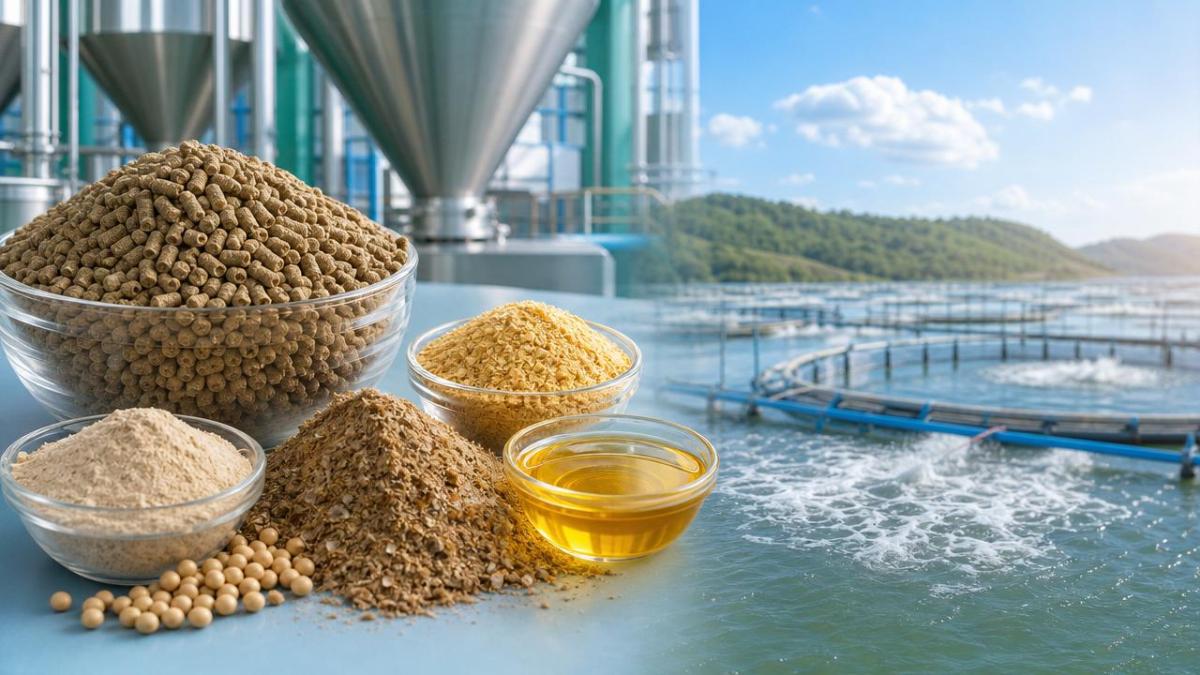
Aquaculture & Fishery feed formulation is rarely a fixed recipe. It changes with species biology, farming intensity, water quality pressure, and raw material volatility.
In practical operations, the same crude protein level can perform very differently. Digestibility, pellet stability, amino acid balance, and lipid source often decide the real outcome.
That is why serious formulation work sits between nutrition science and industrial economics. It must support growth, protect fish health, and remain defensible under shifting input costs.
Within the wider primary industries covered by AgriChem Chronicle, feed decisions are also tied to traceability, compliance, and long supply chains. A low-cost ingredient is not automatically a low-risk choice.
The more useful way to assess Aquaculture & Fishery feed formulation is by application context. Pond culture, cage systems, hatcheries, and recirculating systems do not reward the same formulation priorities.
In hatcheries, survival matters more than nominal protein numbers
Early-stage fish and shrimp place unusual pressure on feed design. Small errors in particle size, attractability, or micronutrient delivery can reduce survival long before growth data reveal the problem.
Here, Aquaculture & Fishery feed formulation usually emphasizes highly digestible marine proteins, refined lipids, phospholipids, vitamins, and immune-supportive additives. Ingredient quality matters more than broad label claims.
A common misjudgment is replacing premium protein sources too early. Lower-cost meals may appear acceptable on paper, yet larval digestion and feed intake often deteriorate in practice.
The better decision point is not only crude composition. It is whether the formula preserves gut development, uniformity, and stable feeding behavior under variable temperature and stocking density.
What deserves closer attention in hatchery feed
- Digestible amino acids rather than total protein alone.
- Lipid oxidation control, especially in sensitive starter diets.
- Fine mineral and vitamin stability during storage.
- Physical integrity in water without excessive fines.
Grow-out systems shift the focus toward feed conversion and water load
Once stock moves into the grow-out phase, the economics change. Feed becomes the dominant operating cost, so Aquaculture & Fishery feed formulation is judged more heavily by feed conversion ratio and biomass gain.
Yet the lowest-cost formula is still not the safest route. In ponds and cages, poorly digested protein increases ammonia release, weakens water conditions, and raises disease pressure indirectly.
This is where balanced amino acid supplementation often becomes more practical than chasing very high fishmeal inclusion. Synthetic lysine, methionine, and threonine can improve cost control when digestibility data are reliable.
In warmer climates, lipid strategy also needs adjustment. Higher-energy diets may improve growth, but oxidized oils or unstable fat blends can damage palatability and shelf life.
This is one reason ACC often treats feed and production systems as linked topics. A feed formula that looks efficient in isolation may underperform once filtration, oxygen demand, and environmental discharge are considered.
Raw material choices are not equal, even when labels look similar
Raw material selection sits at the center of Aquaculture & Fishery feed formulation. Two soybean meals with similar protein values may differ sharply in anti-nutritional factors, digestibility, and batch consistency.
Fishmeal alternatives, poultry by-product meal, rendered proteins, algae ingredients, and fermentation products can all work. The key question is where they fit, and under what processing conditions.
For carnivorous species, replacing marine ingredients too aggressively may reduce palatability and amino acid precision. For omnivorous species, plant-forward formulas can succeed if anti-nutritional burdens are managed carefully.
More operations now look beyond price per ton. They compare price per unit of digestible protein, price per unit of digestible energy, and the likely effect on survival, sludge output, and processing yield.
Useful raw material checks before finalizing a formula
- Confirm digestibility data by species, not by generic ingredient class.
- Review contaminant, oxidation, and heavy metal exposure.
- Check origin transparency and regulatory documentation.
- Test how the ingredient behaves in extrusion or pelleting.
Additives make sense only when they solve a defined production problem
Additives are often the most overclaimed part of Aquaculture & Fishery feed formulation. Enzymes, probiotics, binders, pigments, immunostimulants, and acidifiers can be valuable, but only in the right context.
In high-density systems, additives that support gut resilience or reduce metabolic stress may deliver measurable value. In low-intensity ponds, the same inclusion may show weaker returns if management conditions vary widely.
A recurring mistake is treating additives as a substitute for weak ingredient quality. They rarely compensate for unstable protein sources, poor oil handling, or badly matched pellet design.
The more reliable approach is to define the production bottleneck first. Is the issue poor intake, soft feces, oxidative stress, color development, or disease recovery? Additive use should follow that diagnosis.
Different operating models need different cost control logic
Cost control in Aquaculture & Fishery feed formulation is not simply about reducing formula price. The true benchmark is biological output per unit of feed cost under real production constraints.
In integrated operations, a slightly higher-cost feed may still win if it reduces mortality, sludge removal, or treatment interventions. In price-sensitive commodity production, a narrower margin may favor simpler formulations.
This difference matters when evaluating raw material substitutions. A cheaper oil blend may lower upfront cost, yet shorten storage life and increase variability across batches.
Likewise, protein concentration alone can mislead. If pellet performance worsens, feed loss rises, and effective cost per harvested kilogram becomes higher than expected.
Where formulation decisions are often misread
Several formulation errors appear repeatedly across aquaculture systems. They usually come from evaluating ingredients or nutrient targets without enough operational context.
- Assuming similar species respond the same way to lipid level and protein source.
- Using total nutrient values instead of digestible nutrient values.
- Focusing on purchase price while ignoring storage, waste, and compliance costs.
- Overlooking how feed interacts with water treatment or environmental discharge limits.
- Treating supplier paperwork as equivalent to proven batch consistency.
In regulated supply chains, those blind spots become more expensive. Documentation, contaminant control, and traceability increasingly influence whether a formula remains commercially sustainable.
A practical way to refine Aquaculture & Fishery feed formulation
A more grounded approach starts with the production setting, not the ingredient catalog. Define species stage, culture system, target growth window, water constraints, and processing method first.
Then compare Aquaculture & Fishery feed formulation options through four filters: digestible nutrition, raw material reliability, pellet performance, and full-cost impact over the production cycle.
Where possible, validate changes in controlled batches. Small formulation shifts can alter intake behavior, fecal structure, or oxidation stability long before accounting data show the pattern clearly.
For complex operations, it also helps to align feed review with broader market intelligence. Ingredient availability, regulatory exposure, and quality trends often change faster than label specifications suggest.
The next step is usually straightforward: map the actual farming scenario, rank the limiting factors, and compare formulas by delivered performance rather than headline composition. That is where Aquaculture & Fishery feed formulation becomes a strategic decision instead of a routine purchase.
Related Intelligence
- Commercial Feed PelletFire Quickly Extinguished in Grinder Bin at Baiada’s Cardiff Feed Mill in AustraliaBaiada’s Cardiff feed mill fire was reportedly contained quickly. Explore grinder bin safety, restart uncertainties and key supply continuity checks for feed buyers.
- Commercial Feed PelletHow to Build a Sanitary Feed Production Plan That Reduces Cross-ContaminationSanitary feed production planning: reduce cross-contamination with smarter sequencing, validated flushing, material segregation, and traceable sanitation controls.
- Commercial Feed PelletFeed Pellet Mill Sourcing: How to Vet Suppliers for Capacity, Quality, and SupportFeed pellet mill sourcing made smarter: vet suppliers for proven capacity, pellet quality, lifecycle cost, factory controls, commissioning, and reliable after-sales support.
The Morning Broadsheet
Daily chemical briefings, market shifts, and peer-reviewed summaries delivered to your terminal.
