

The Authority in Global Agricultural Chemistry & Bio-Resources
FDA Tightens Enzyme Filings With WGS Disclosure Rule
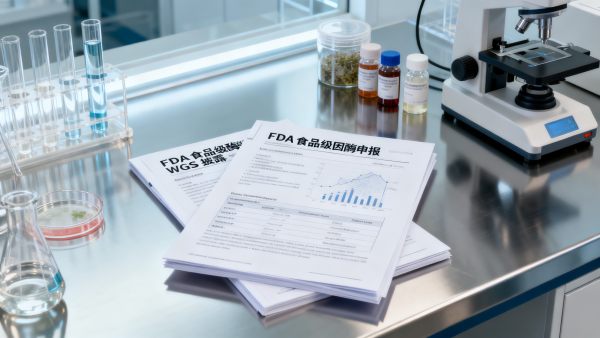
On June 13, 2026, the U.S. FDA issued new industry guidance for microbial source documentation in food-grade enzymes, setting a January 2027 expectation that GRAS and food additive submissions include whole genome sequencing (WGS) reports for production strains and a biosafety risk assessment summary. For enzyme manufacturers, regulatory teams, import-facing suppliers, and North American downstream users, this is not a minor paperwork update: it directly affects submission readiness, compliance cost, review timelines, and the launch pace of products that depend on food-grade enzymes.
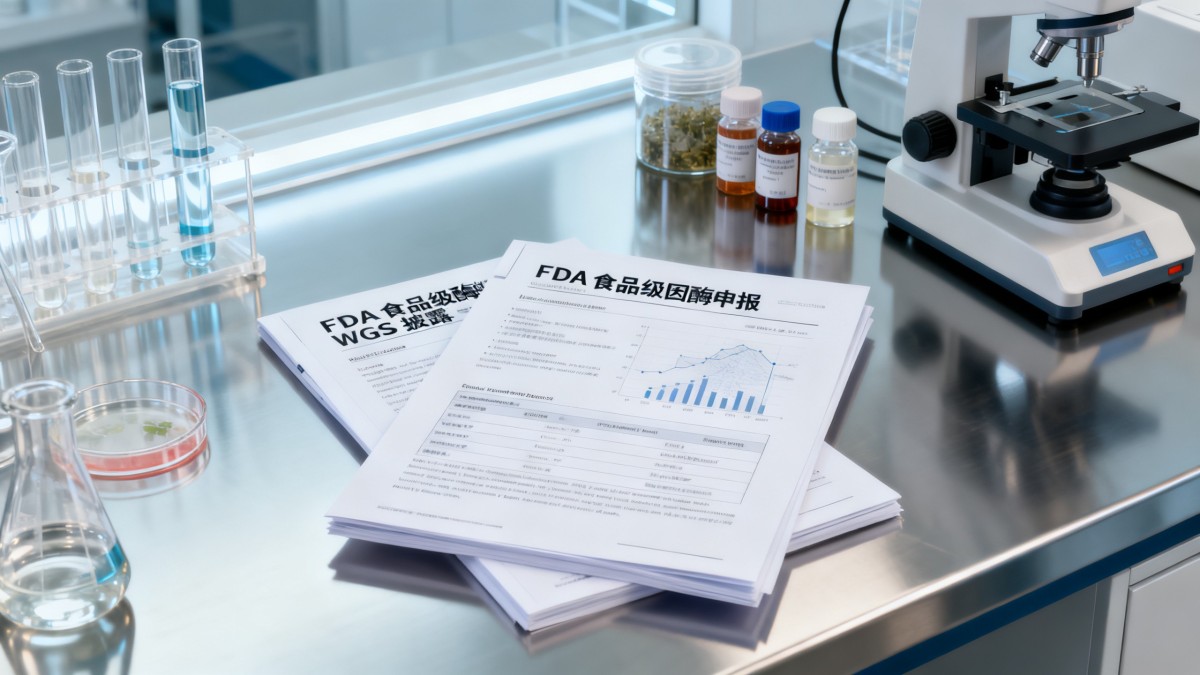
What the FDA Guidance Now Requires
The confirmed update is tied to the FDA document titled Guidance for Industry: Microbial Source Documentation for Food-Grade Enzymes, released on June 13, 2026. According to the information provided, starting in January 2027, all food-grade enzyme submissions for GRAS or food additive uses must include a complete WGS report for the production microorganism, along with a summary of biosafety risk assessment. The information provided also indicates that the rule will raise compliance costs and lengthen registration cycles for Chinese and U.S. enzyme producers, with knock-on effects for new product launch timing in the North American market.
Where the Pressure Is Likely to Appear First
Strain-based enzyme manufacturers face a higher documentation threshold
From an industry perspective, the most immediate impact falls on producers preparing GRAS or food additive dossiers for food-grade enzymes. The reason is straightforward: strain documentation now moves closer to a full genetic evidence package rather than a limited identity statement. The business impact is likely to show up in submission preparation, technical coordination, and internal review timing.
Cross-border suppliers may see longer handoff cycles
Analysis shows that suppliers serving North American customers may face pressure not only in compliance work but also in commercial coordination. If a customer depends on an enzyme ingredient for a planned launch, any added time required to prepare WGS materials and biosafety summaries can affect document delivery, customer qualification, and expected filing schedules.
Downstream product owners may need to revisit launch planning
For end-use companies in North America, the relevance is less about sequencing itself and more about timing risk. Observably, if upstream enzyme filings take longer or require additional rounds of preparation, downstream product development and commercialization schedules may need more buffer. What deserves closer attention is the interface between regulatory documentation and launch milestones, especially where enzyme use is part of a new product submission path.
Service providers and regulatory support teams may become more central
Companies that support registration, technical dossier assembly, and compliance communication are also likely to feel the change. Their role may expand in helping manufacturers organize genomic materials, align biosafety summaries with submission expectations, and manage customer questions about timing and completeness.
What Companies Should Watch Now
Track whether the guidance wording is clarified further
The current signal is clear on WGS and biosafety summary expectations, but companies should distinguish between the policy direction and the operational details of implementation. Analysis shows that wording, document interpretation, and application practice will matter as much as the headline requirement itself.
Review which enzyme projects fall into the 2027 window
Businesses with pending GRAS or food additive plans should identify which projects are likely to be submitted on or after January 2027. This matters because the compliance burden is tied directly to filing timing, and the effect on registration cycles will not be uniform across all projects.
Check supplier readiness and document availability early
For traders, procurement teams, and brand-side buyers, a practical focus is whether upstream partners can provide complete strain genome reports and biosafety summaries in time for commercial or regulatory milestones. The issue is not only document possession, but also document readiness within transaction and delivery schedules.
Prepare customer communication around timing risk
Observably, businesses exposed to North American launches may need to explain potential registration delays earlier in the sales or project cycle. This is especially relevant where customers are planning new product introductions that rely on enzyme approvals without much schedule flexibility.
Why This Looks Like More Than a Routine Filing Update
This section is an editorial observation. It is more appropriate to understand this development as both a near-term operational change and a longer-term regulatory signal. In the short term, the effect is practical: more documentation, higher compliance cost, and potentially slower registration progress. In the longer term, the guidance suggests that microbial source transparency is becoming a more central part of how food-grade enzyme submissions are evaluated. At the same time, it remains important to keep observation separate from confirmed outcomes, because the supplied information does not establish how quickly review practice, market behavior, or customer qualification standards will adjust in response.
How the Industry May Best Read This Update
At this stage, the update is best read as a concrete compliance trigger with broader strategic implications. The confirmed requirement is clear enough for companies to begin reviewing submission pipelines and supplier documentation, yet the full business impact still depends on how the rule is applied in live filing and customer timelines. A measured interpretation is more useful than an exaggerated one: this is a meaningful regulatory development for food-grade enzymes, but one that still requires ongoing monitoring as implementation approaches in 2027.
Basis of This Article and What Still Needs Verification
This article is based on the user-provided news title, event date, and event summary regarding the FDA guidance update for food-grade enzymes. No specific official source link was included in the input, so the exact official publication link still needs to be verified on an ongoing basis. For this type of development, source categories typically worth checking include official regulatory notices, company disclosures, industry association updates, authoritative media coverage, and relevant standards or guidance documents. Continued attention should focus on whether the FDA provides further clarification on documentation expectations, implementation details, or submission practice ahead of January 2027.
Related Intelligence
- Food Grade EnzymesIs There a Global Standard for Biochemical Engineering Product Quality?Is there a global standard for biochemical engineering product quality? Explore GMP, ISO, traceability, and supplier checks for confident global sourcing.
- Food Grade EnzymesHow Enzymes for Cracker Formulation Improve Texture and Shelf LifeEnzymes for cracker formulation can enhance dough handling, crisp texture, and shelf life. Explore targeted enzyme strategies for consistent, high-quality crackers.
- Food Grade EnzymesWhat to Look for in Enzyme Blend Ingredients for Food and Supplement FormulasExplore enzyme blend ingredients for food and supplement formulas—learn how to assess activity, stability, compliance, and performance for smarter sourcing.
The Morning Broadsheet
Daily chemical briefings, market shifts, and peer-reviewed summaries delivered to your terminal.
