

The Authority in Global Agricultural Chemistry & Bio-Resources
ATEX 2026 Moves to November as RAS Demand Jumps
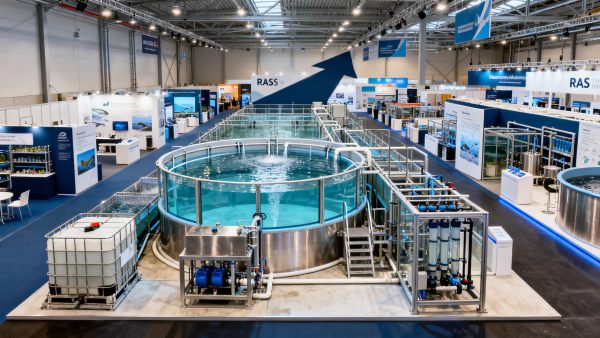
The event timing is not explicitly stated in the available information, but Aquaculture Tech Expo 2026 in Bergen, Norway, has officially been moved from its original September schedule to November 12–14. For aquaculture technology suppliers, recirculating aquaculture system providers, fishing equipment participants, and water treatment solution companies, the change is notable not only because of the new dates, but because demand for RAS-related exhibition space has risen sharply, pointing to a stronger industry focus on intelligent aquaculture upgrades and overseas market preparation.
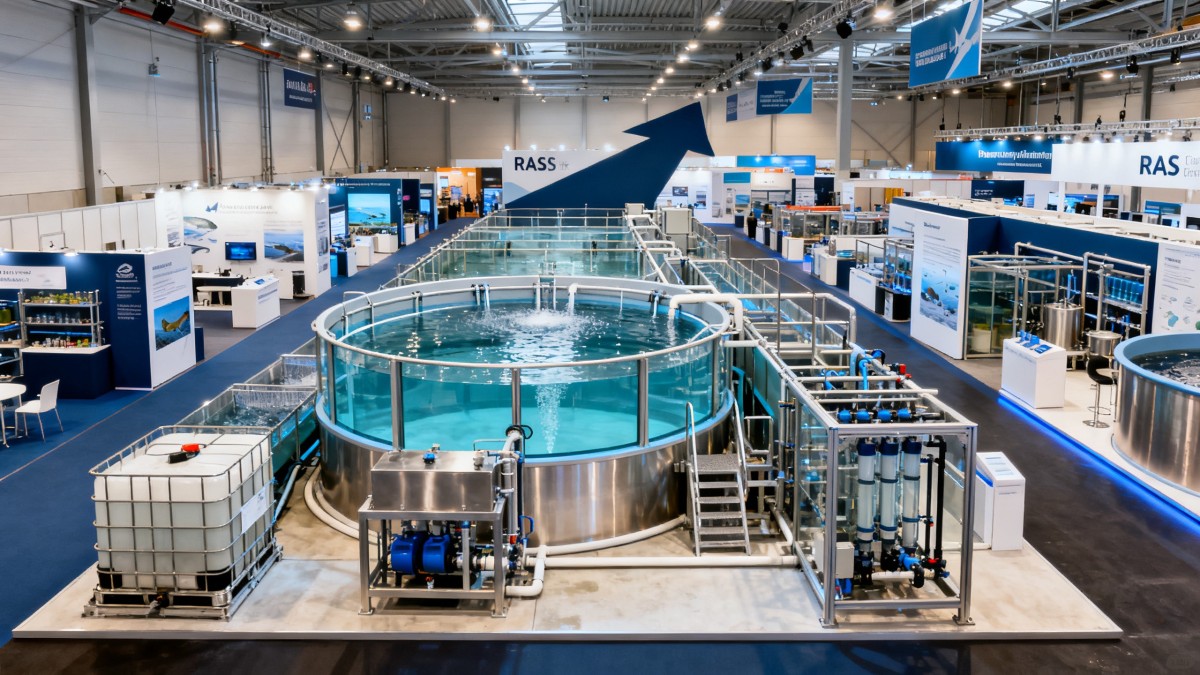
What Has Been Officially Confirmed
Aquaculture Tech Expo 2026, originally planned for September 2026 in Bergen, Norway, has been officially postponed to November 12–14. The organizer has also opened expansion applications for three themed halls: RAS Systems, Commercial Fishing, and Aeration & Water Tech.
According to the organizer, as of June 14, bookings for RAS system booths had reached 2.3 times the level of previous editions. The information provided also indicates that Chinese RAS integrators are intensively preparing technical white papers and overseas localized service plans.
Why This Matters Across the Aquaculture Technology Chain
Exhibition planning is tightening for system suppliers
For companies exhibiting RAS, aeration, and water technology solutions, the direct impact is on booth planning, product presentation schedules, and resource allocation. From an industry perspective, the expansion of themed halls suggests that exhibitors may face a more competitive environment for visibility, positioning, and technical differentiation.
Service and delivery teams may need to adjust market preparation
Companies preparing overseas localized service plans may need to align technical materials, customer communication, and on-site support arrangements with the revised November schedule. What deserves closer attention is whether the postponement changes the sequencing of outreach, documentation readiness, and local service messaging rather than demand itself.
Buyers and partners gain a clearer signal on technology focus
For buyers, channel partners, and project-side decision makers, the strongest signal in this update is the concentration of demand around RAS systems. Analysis shows that interest is not centered only on event attendance, but on the technologies and service capabilities exhibitors expect to bring into international market discussions.
What Companies Should Watch Now
Track any further official rule or schedule updates
The confirmed date change and hall expansion are clear facts, but exhibitors and partners should continue monitoring whether the organizer issues further adjustments related to hall allocation, application windows, or participation requirements.
Strengthen technical documentation before market-facing activity
The reference to Chinese RAS integrators preparing technical white papers is significant in practical terms. Companies in related segments should pay attention to how technical materials are structured, how solution capabilities are documented, and whether these materials are ready for cross-border customer communication.
Match localization plans with actual delivery capacity
Overseas localized service plans can support market entry messaging, but analysis shows that documentation and service claims need to remain aligned with real execution capacity. This is especially relevant where installation support, response processes, and customer handover materials may become part of commercial discussions.
Prepare for denser communication around core categories
With RAS Systems, Commercial Fishing, and Aeration & Water Tech all highlighted in the latest update, companies should pay closer attention to which product lines, solution bundles, or business units will represent them externally, and whether procurement, sales, and technical teams are aligned in advance.
How To Read the Signal Behind the Postponement
Observably, the postponement itself should not be read only as a calendar change. The more meaningful part of this update is the combination of expanded themed halls and sharply higher RAS booth bookings. Analysis shows that this is better understood as a market signal of concentrated attention around intelligent aquaculture systems rather than as a confirmed outcome for orders, projects, or long-term market share.
It is also more appropriate to understand this as a development that still requires observation. Strong exhibition demand can indicate where industry attention is moving, but it does not by itself confirm how quickly that interest will convert into procurement decisions, partnerships, or deployed projects.
A Short-Term Adjustment With Longer-Term Implications
At this stage, the ATEX 2026 update points to two realities at once: a near-term operational adjustment in exhibition timing, and a broader indication that RAS-related technologies are drawing increased international attention. From an industry perspective, the most balanced reading is that this is an early but meaningful signal tied to technology positioning, documentation readiness, and overseas service preparation, rather than a final verdict on market outcomes.
Basis of This Article
This article is based on the user-provided news title, event timing note, and event summary. The specific official source link was not provided in the input, so further verification is still needed.
For this type of industry update, relevant source categories usually include organizer announcements, company statements, industry association updates, authoritative media reporting, and related technical or standards documents. What deserves continued attention is whether there are subsequent official updates on event arrangements, exhibitor rules, or additional disclosures related to participation demand.
Related Intelligence
- RAS SystemsHow to Select an Ammonia Water Quality Sensor for Aquaculture SystemsAmmonia water quality sensor selection guide for aquaculture: compare technologies, accuracy, salinity compatibility, maintenance, and integration for reliable monitoring.
- RAS SystemsDo UV water treatment systems eliminate chlorine-resistant pathogens in aquaculture recirculation?UV water treatment systems can inactivate chlorine-resistant pathogens like Cryptosporidium in aquaculture RAS—when properly engineered, validated, and maintained.
- RAS SystemsSelecting Pure Oxygen Systems for High-Density Aquaculture and RAS OperationsPure oxygen systems aquaculture buyers can compare for high-density RAS: optimize DO stability, transfer efficiency, controls, redundancy, and fish welfare.
The Morning Broadsheet
Daily chemical briefings, market shifts, and peer-reviewed summaries delivered to your terminal.
