

The Authority in Global Agricultural Chemistry & Bio-Resources
ECHA Ends RoHS Exemption for RAS Components
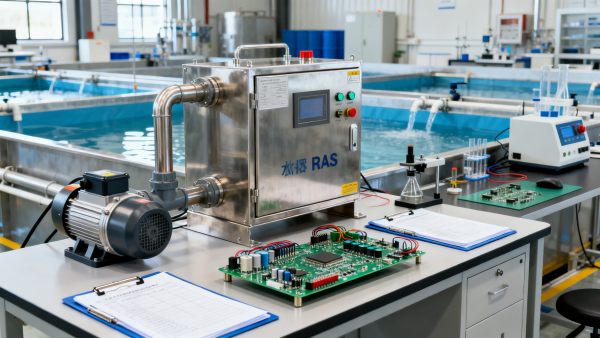
On July 27, 2026, the European Chemicals Agency (ECHA) issued a notice ending the RoHS exemption for lead-containing solder and cadmium-coated parts used in water treatment RAS systems under Directive 2011/65/EU Annex III Entry 7c. The new requirement will become mandatory on January 1, 2027. For RAS equipment manufacturers, component suppliers, and aquaculture equipment importers, this matters because it shifts compliance from exempted use to full material substitution and documentation, with direct implications for export readiness, supplier qualification, and delivery planning.
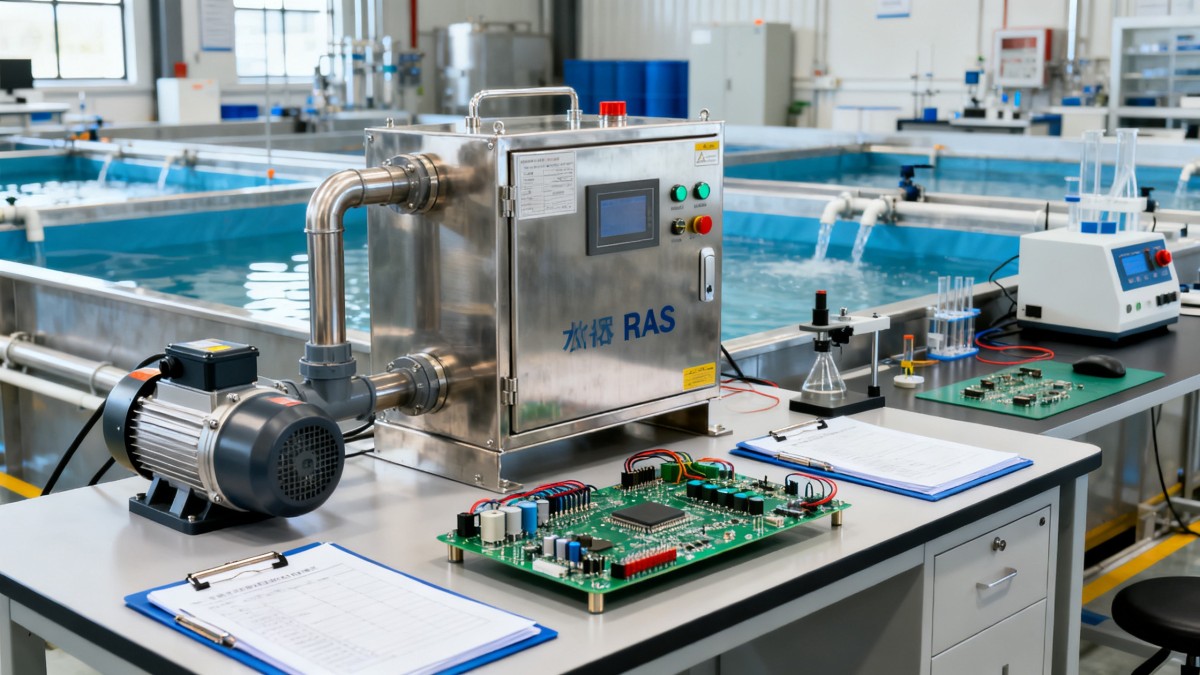
What the July 27 notice confirmed
According to the information provided, ECHA formally terminated the RoHS exemption that had applied to lead solder and cadmium-coated components in water treatment RAS systems. The affected regulatory reference is 2011/65/EU Annex III Entry 7c, and the updated requirement will be enforced from January 1, 2027.
The same notice directly affects the export compliance path of Chinese RAS system manufacturers. It requires complete systems and key components, including dissolved oxygen controllers and recirculation pump modules, to move to lead-free alternatives and obtain third-party IEC 63000 certification.
The information provided also indicates that global aquaculture equipment importers will need to reassess supplier technical readiness and delivery cycles under the new compliance condition.
Where the pressure is likely to appear first
RAS manufacturers facing export compliance changes
From an industry perspective, manufacturers of complete RAS equipment are likely to feel the change first because the exemption had previously shaped how certain assemblies and components could enter the EU market. The main impact is likely to appear in product redesign, bill-of-material review, and compliance file preparation for exports tied to the 2027 enforcement date.
Core component suppliers under new technical scrutiny
Suppliers of key modules such as dissolved oxygen controllers and recirculation pump modules may face closer review because the provided information specifically identifies these products as part of the compliance scope. What deserves closer attention is whether their existing materials, coatings, and soldering solutions can meet lead-free expectations while supporting third-party IEC 63000 certification.
Importers reassessing sourcing and delivery risk
Importers in the aquaculture equipment market may be affected less by the regulation text itself and more by its commercial consequences. Analysis shows their immediate concern is supplier adaptability: whether current vendors can complete substitution work, produce the required compliance documentation, and maintain agreed delivery timing once the exemption is no longer available.
Supply chain coordinators watching cycle-time impact
For supply chain service providers and procurement teams, the likely pressure point is coordination rather than policy interpretation. Observably, any transition involving material substitution and external certification can influence scheduling, document flow, and shipment planning, which makes supplier communication and milestone tracking especially relevant in the months before enforcement.
What companies should watch now
Track how the requirement applies at component level
Companies should pay close attention to which assemblies and parts in their RAS systems still depend on lead-containing solder or cadmium-coated components. The practical issue is not only the full system declaration, but also whether individual critical modules can support the required lead-free transition without delaying export qualification.
Separate substitution work from certification work
The notice points to two linked but distinct tasks: replacing affected materials and completing third-party IEC 63000 certification. Analysis shows these should not be treated as the same step. A technical replacement path does not automatically resolve documentation or certification timing, and that distinction matters for shipment planning.
Recheck supplier documentation and readiness claims
Importers and OEM buyers should review how suppliers describe compliance readiness, especially for key parts named in the provided information. What deserves closer attention is whether supplier commitments cover actual technical adaptation, supporting documents, and realistic lead times rather than only general compliance statements.
Prepare for customer and contract discussions
For exporters and trading companies, this update may affect delivery promises and customer communication with EU-facing buyers. Observably, the enforcement date is already defined, so commercial teams may need to align quotations, contract language, and delivery schedules with technical and certification progress.
Why this looks larger than a routine compliance notice
Analysis shows this update should be read as more than a narrow documentation change. The confirmed end of the exemption creates a clear compliance deadline and ties market access to both technical substitution and third-party certification. That gives the notice operational weight for manufacturers and sourcing teams, even though the longer-term scale of disruption still depends on how quickly suppliers adapt.
It is more appropriate to understand this as an immediate compliance transition with broader supply chain implications, rather than as a purely long-term policy signal. At the same time, it remains a development that warrants continued observation because execution risks will likely emerge through certification progress, supplier responsiveness, and delivery scheduling rather than through the announcement alone.
How the market is likely to frame it for now
At this stage, the most grounded reading is that ECHA's July 27 notice sets a defined compliance direction for RAS equipment entering the EU market. The core significance lies in the loss of an exemption that had practical value for certain components, and in the need to convert that regulatory change into workable sourcing and certification action before January 1, 2027.
For industry participants, the issue is neither a short-lived headline nor a basis for overstated conclusions. It is better understood as a concrete regulatory change with near-term execution consequences and a continuing need for verification across product design, supplier capability, and delivery planning.
Basis of this article and points for continued verification
This article is based on the user-provided news title, event date, and event summary concerning ECHA's July 27, 2026 notice on the termination of the RoHS exemption for certain RAS system components and the January 1, 2027 enforcement date.
For this type of industry update, the source categories that are usually relevant include official notices, company statements, industry association updates, authoritative media reports, and standards-related documentation. The specific official source link was not provided in the input, so it still requires ongoing verification. Continued attention should focus on any follow-up official wording, implementation clarifications, and supplier-side progress on lead-free substitution and IEC 63000 certification.
Related Intelligence
- RAS SystemsHow to Select an Ammonia Water Quality Sensor for Aquaculture SystemsAmmonia water quality sensor selection guide for aquaculture: compare technologies, accuracy, salinity compatibility, maintenance, and integration for reliable monitoring.
- RAS SystemsDo UV water treatment systems eliminate chlorine-resistant pathogens in aquaculture recirculation?UV water treatment systems can inactivate chlorine-resistant pathogens like Cryptosporidium in aquaculture RAS—when properly engineered, validated, and maintained.
- RAS SystemsSelecting Pure Oxygen Systems for High-Density Aquaculture and RAS OperationsPure oxygen systems aquaculture buyers can compare for high-density RAS: optimize DO stability, transfer efficiency, controls, redundancy, and fish welfare.
The Morning Broadsheet
Daily chemical briefings, market shifts, and peer-reviewed summaries delivered to your terminal.
