

The Authority in Global Agricultural Chemistry & Bio-Resources
China Tightens Annual Checks on Food Contact Exports
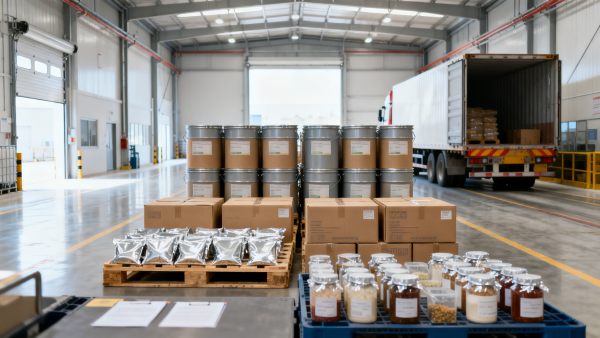
On June 1, 2026, a new annual inspection rule took effect for certain imported and exported goods outside the statutory inspection catalogue, with food contact products among six key categories under routine spot checks. For exporters, the rule makes compliant sampling at the production site or warehouse a prerequisite before customs declaration and shipment, creating direct effects on customs timing, compliance costs, and supply chain audit planning for overseas buyers, especially in trade involving Botanical Extracts, Natural Ingredients, and Food Grade Enzymes.
Image placement plan: One image is recommended near the beginning of the article to visually support the policy update and improve reading flow before the factual overview.
What the New Rule Confirms
According to Announcement No. 57 of 2026, the new measure came into effect on June 1. It introduces annual routine spot checks for imported and exported goods that are outside the statutory inspection catalogue. The coverage focuses on six major categories, including food contact products.
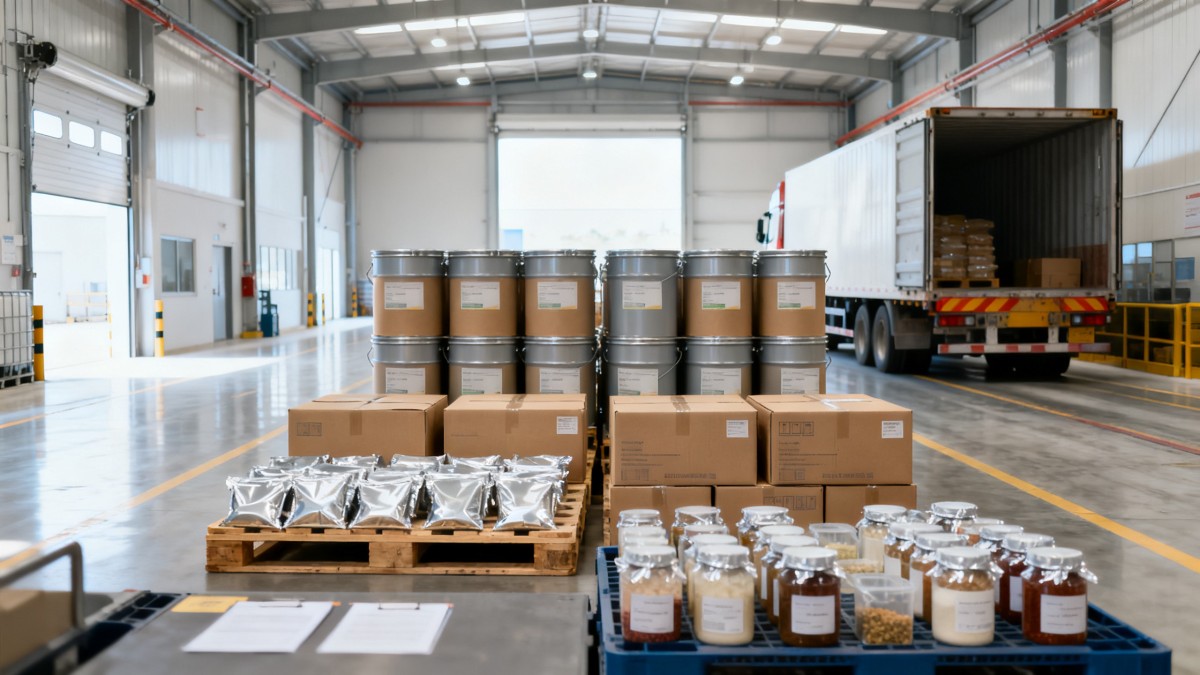
The confirmed operational requirement is that export goods must pass sampling inspection at the manufacturing plant or warehouse before they can be declared to customs and shipped. The policy therefore adds a clear front-end compliance step for affected exporters.
The provided information also confirms that the rule has direct relevance to overseas importers in areas such as customs clearance timing, compliance-related costs, and supply chain factory audit arrangements. It is particularly relevant to exporters supplying products that directly contact food materials, including Botanical Extracts, Natural Ingredients, and Food Grade Enzymes.
How Different Market Participants May Be Affected
Export trading companies
Export trading companies are affected because shipment can no longer move directly into customs declaration without first completing compliant sampling at the factory or warehouse. The impact is most visible in shipment scheduling, document coordination, and communication with overseas customers. These companies may need to pay closer attention to whether goods fall into the covered categories and whether pre-shipment sampling results are ready before booking export timelines.
Raw material sourcing companies
Companies procuring food-related raw materials for export may face greater pressure because products such as Botanical Extracts, Natural Ingredients, and Food Grade Enzymes can be tied to direct food contact use. The impact may appear in supplier screening, procurement timing, and coordination between sourcing and export compliance teams. What requires attention is whether purchased materials are supported by records and product information suitable for pre-declaration review and sampling arrangements.
Processing and manufacturing enterprises
Manufacturers are directly affected because the required sampling takes place at the production site or warehouse. This means factory-level readiness becomes part of export execution rather than a separate back-office issue. The impact can extend to production release, warehouse control, batch traceability, and readiness for inspection. These enterprises may need to watch more closely how internal quality records, storage conditions, and shipment staging align with the new sampling requirement.
Supply chain service providers
Logistics coordinators, customs service providers, and audit support firms may also see changes in working arrangements. Their exposure comes from the fact that shipment timing now depends more clearly on upstream sampling completion. The impact may be reflected in customs filing schedules, cargo consolidation planning, warehouse turnover, and coordination with overseas importers. These service providers may need to monitor changes in client lead times and inspection-related document flows more carefully.
Key Compliance Priorities for Companies
Bring pre-shipment sampling into the export workflow
Companies should treat plant or warehouse sampling as a mandatory gate before customs declaration, not as a supplementary quality step. In practical terms, this means export operations, production, warehousing, and compliance teams should align their release process around the new rule.
Review product scope and food contact relevance
Businesses dealing with materials that may directly contact food should recheck how their products are described, classified, and handled in internal export procedures. This is especially important for exporters connected to Botanical Extracts, Natural Ingredients, and Food Grade Enzymes, because the provided information indicates a stronger front-end compliance expectation for these trade flows.
Prepare factory and warehouse records for verification
Because the sampling point is located at the manufacturing plant or warehouse, companies may need more disciplined record management around batches, storage status, shipment lots, and quality traceability. This is closely linked to audit preparation and to smoother coordination with customers that require visibility into compliance arrangements.
Adjust delivery commitments and buyer communication
The rule may affect the time sequence between production completion, inspection readiness, customs declaration, and final shipment. Exporters and overseas buyers should therefore review delivery commitments, purchasing plans, and internal approval timing. It is prudent to communicate early where shipment release depends on successful sampling completion.
Industry Observation: A Shift Toward Earlier Compliance Control
From an industry perspective, this change is more appropriately understood as a front-loaded compliance requirement rather than only an inspection procedure. Analysis suggests that the practical effect lies in moving regulatory control earlier in the export process, especially for goods with food contact relevance.
What deserves closer attention is the way this may reshape buyer expectations. Overseas importers may place greater emphasis on factory readiness, warehouse control, and the ability of exporters to support customs clearance with stable pre-shipment compliance arrangements. Observably, this can increase the importance of coordination across sourcing, manufacturing, export documentation, and audit preparation.
It is also reasonable to view the rule as a potential driver of higher organizational discipline. While no specific cost figures were provided, analysis indicates that compliance-related expenses and planning effort may rise where companies have not previously integrated inspection readiness into normal shipment scheduling.
Why This Policy Update Matters
The new annual spot-check arrangement changes the operational sequence for affected exports by making qualified sampling a necessary step before customs declaration and shipment. For companies involved in food contact products and related materials, the significance lies less in headline language and more in execution: timing, records, plant or warehouse readiness, and coordination with overseas buyers now carry greater compliance weight.
A balanced reading is that the rule does not automatically define market outcomes, but it does raise the importance of preparation quality across the export chain. Businesses that respond early to process adjustments are likely to be better positioned to manage timing and communication risks under the new requirement.
Source Note and Follow-up Focus
This article was generated based on the user-provided news title, event date, and event summary. Specific official source links were not provided in the input and should be verified continuously.
For this type of regulatory development, companies typically monitor official notices, customs-related regulatory releases, compliance guidance, certification interpretations, procurement documents, and industry feedback channels. Continued attention should be paid to implementation details, inspection practice, certification or compliance interpretation, changes in tender or procurement documents, and market feedback from exporters and overseas buyers.
Related Intelligence
- Food Grade EnzymesWhat Drives Industrial Enzyme Costs? Activity, Format, and Supply Risk ExplainedIndustrial enzyme cost factors explained: compare activity, formulation, shelf life, documentation, and supply risk to reduce process costs and improve purchasing decisions.
- Food Grade EnzymesIs There a Global Standard for Biochemical Engineering Product Quality?Is there a global standard for biochemical engineering product quality? Explore GMP, ISO, traceability, and supplier checks for confident global sourcing.
- Food Grade EnzymesHow Enzymes for Cracker Formulation Improve Texture and Shelf LifeEnzymes for cracker formulation can enhance dough handling, crisp texture, and shelf life. Explore targeted enzyme strategies for consistent, high-quality crackers.
The Morning Broadsheet
Daily chemical briefings, market shifts, and peer-reviewed summaries delivered to your terminal.
