

The Authority in Global Agricultural Chemistry & Bio-Resources
ANVISA Clears First Chinese Feed Enzyme Filings for Brazil
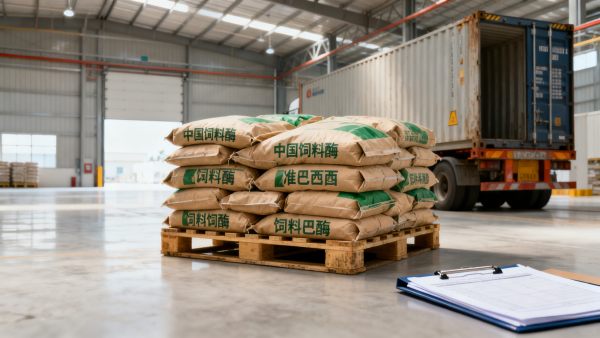
On June 20, 2026, Brazil’s National Health Surveillance Agency (ANVISA) announced the approval of commercial feed enzyme filings from three Chinese enzyme producers, allowing entry into the Brazilian market under the category “Enzimas para Alimentação Animal.” For feed enzyme suppliers, commercial feed pellet exporters, food grade enzyme businesses, importers, and channel partners, this is worth close attention because it marks a documented opening in Latin America that had previously been difficult for Chinese suppliers to access through an official route.
What the approval confirms
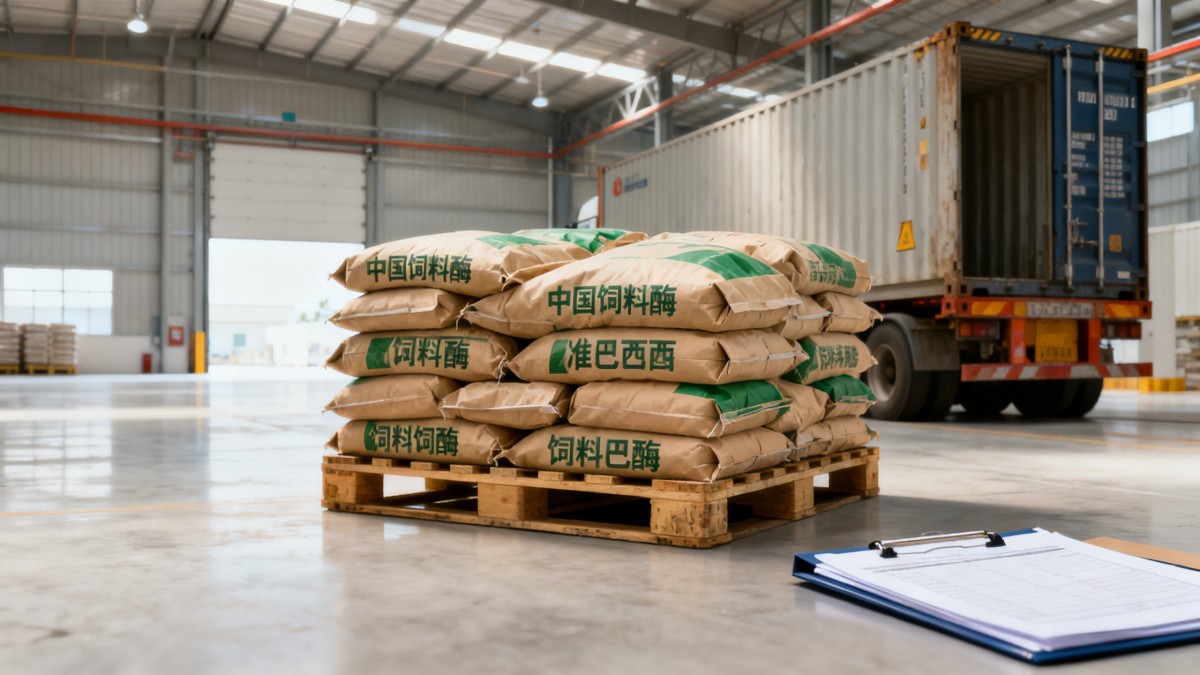
According to the information provided, ANVISA formally approved the filings of commercial feed enzyme products from three Chinese enzyme companies on June 20, 2026. Two of the approved companies are described as ACC-certified whitelist manufacturers. The products are permitted to enter Brazil under the classification “Enzimas para Alimentação Animal.” The same information states that this represents a first official access channel in Latin America for Chinese exporters of commercial feed pellets and food grade enzymes.
Where the impact may be felt first
Exporters facing a newly opened compliance path
From an industry perspective, Chinese suppliers focused on feed enzymes and related export business may be affected first because the development changes the practical discussion from whether Brazil is accessible to how approved access can be used in actual trade. The main impact is likely to appear in market entry planning, customer outreach, and product-positioning discussions tied to Brazil.
Importers and distributors watching supplier options
Brazil-facing buyers, importers, and distribution partners may pay attention because the approval introduces additional potential sources of supply within an officially recognized category. What deserves closer attention is not only the approval itself, but also how product documentation, supplier qualifications, and category interpretation are handled in business execution.
Supply chain and documentation service providers
Observably, service providers involved in customs preparation, regulatory document handling, and cross-border fulfillment may also see a direct effect. Their focus is likely to be on whether the approved status translates smoothly into shipment preparation, documentation consistency, and communication between exporters and local market counterparts.
Adjacent enzyme and feed-related businesses
For companies connected to commercial feed pellets and food grade enzymes, the news may matter as a reference signal rather than an immediate operational change. Analysis shows the approval could influence how companies assess category fit, partner selection, and future Latin America entry sequencing, even where current products are not identical to the approved filings.
What companies should track next
Separate regulatory clearance from commercial rollout
What deserves closer attention is the difference between approval as a regulatory event and market entry as a business process. Companies should avoid treating the announcement alone as proof of broad market readiness and instead track how approved status is reflected in transactions, customer acceptance, and execution requirements.
Review product scope and category alignment
Businesses should examine whether their own products align with the approved category “Enzimas para Alimentação Animal.” This matters because the current confirmed information is category-specific, and companies need to distinguish between products that may fit the same path and products that may require separate review or a different route.
Check supplier credentials and document readiness
For exporters, traders, and sourcing teams, supplier qualification remains a practical checkpoint. The fact that two approved companies are identified as ACC-certified whitelist manufacturers suggests that counterparties may look closely at credentials, filing materials, and supporting documents when evaluating supplier reliability and transaction readiness.
Prepare for follow-up communication with customers
Companies engaging Brazilian partners should be ready to explain what has been approved, under which category, and what remains subject to further verification. This is especially relevant for sales teams, distributors, and account managers who may need to translate a regulatory development into clear, non-exaggerated commercial communication.
Why this looks more like a signal than a finished outcome
Analysis shows this development is best understood as an important access signal rather than a complete reshaping of the regional market. It confirms that official entry for Chinese commercial feed enzyme products into Brazil has moved forward in a concrete way. At the same time, the current information does not by itself establish how broad the opportunity will become, how quickly trade volumes may respond, or whether similar approvals will expand across more companies and categories. That is why the event deserves continued observation rather than overstatement.
How to read this development now
At this stage, it is more appropriate to understand the ANVISA decision as a meaningful regulatory opening with practical implications for exporters, buyers, and service providers linked to feed enzymes and related enzyme trade. The news is notable because it establishes a first documented official route into Brazil for the stated category, but the fuller industry effect will depend on how this approval is implemented in real business activity and whether follow-on developments broaden the pathway.
About the basis of this article
This article is based on the user-provided news title, event date, and summary concerning ANVISA’s June 20, 2026 approval of filings for commercial feed enzyme products from three Chinese producers. For this type of industry update, commonly relevant source categories may include official regulatory announcements, company disclosures, industry association updates, authoritative media coverage, and standards-related documents. A specific official source link was not provided in the input, so the exact source document should continue to be verified. Follow-up attention should remain on any later official wording, category clarification, or related market-access updates tied to Brazil and Latin America.
Related Intelligence
- Food Grade EnzymesIs There a Global Standard for Biochemical Engineering Product Quality?Is there a global standard for biochemical engineering product quality? Explore GMP, ISO, traceability, and supplier checks for confident global sourcing.
- Food Grade EnzymesHow Enzymes for Cracker Formulation Improve Texture and Shelf LifeEnzymes for cracker formulation can enhance dough handling, crisp texture, and shelf life. Explore targeted enzyme strategies for consistent, high-quality crackers.
- Food Grade EnzymesWhat to Look for in Enzyme Blend Ingredients for Food and Supplement FormulasExplore enzyme blend ingredients for food and supplement formulas—learn how to assess activity, stability, compliance, and performance for smarter sourcing.
The Morning Broadsheet
Daily chemical briefings, market shifts, and peer-reviewed summaries delivered to your terminal.
