

The Authority in Global Agricultural Chemistry & Bio-Resources
REACH Adds 12 SVHCs, SCIP Reporting Turns Real-Time
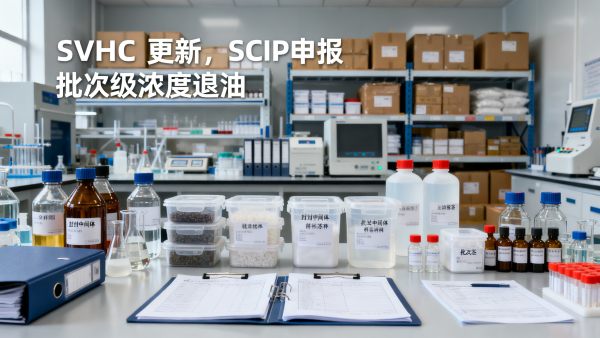
On June 20, 2026, the latest REACH-related update from ECHA signaled a more demanding compliance step for parts of the agrochemical and chemical intermediate trade. Twelve commonly used agrochemical intermediates, including triazine- and pyridine-based structures, were added to the SVHC Candidate List and brought into mandatory SCIP notification from the same date, with real-time supply chain synchronization and batch-level traceable concentration data now required. For exporters in Agrochemicals and APIs & Intermediates, this is worth close attention because it affects not only substance status, but also documentation depth, data handover, and the completeness of customer delivery packages.
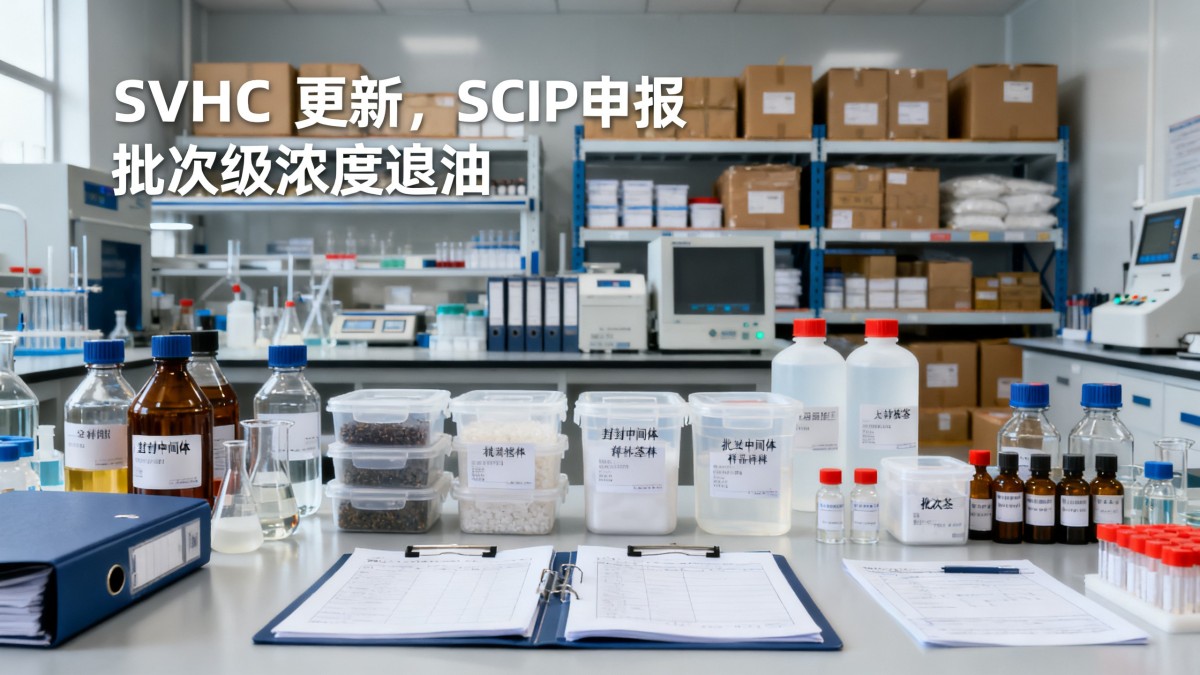
What the June 20 update confirms
ECHA released an updated SVHC Candidate List on June 20, 2026. The confirmed change is that 12 commonly used agrochemical intermediates were newly added, including substances described as having triazine and pyridine structural types.
From the same date, these substances fall within the scope of mandatory SCIP database notification. The notification requirement is described as needing real-time synchronization across upstream and downstream supply chain participants, and it must include traceable batch-level concentration data for the substances concerned.
The information provided also indicates that this change will significantly affect the compliance documentation systems and the completeness of customer delivery packages used by exporters in Agrochemicals and APIs & Intermediates.
Where the pressure is likely to appear first
Export files move from static declarations to live data alignment
From an industry perspective, exporters are likely to feel the impact first because SCIP obligations now connect substance listing status with the timing and granularity of data exchange. The practical pressure point is no longer only whether a substance is identified, but whether batch-level concentration information can be traced and passed through customer-facing documentation without delay.
What deserves closer attention is the export documentation chain itself: product dossiers, batch records, substance declarations, and the final delivery package may need to remain internally consistent at the moment of shipment or customer submission. Any mismatch between declared composition data and supply chain notifications could become a trade and delivery risk, even if the material itself is already known to the parties involved.
Procurement teams may face tighter upstream document requests
For companies buying raw materials or intermediates, the rule change may shift procurement work toward faster supplier verification. Analysis shows that real-time synchronization and traceable concentration data create a stronger need for timely upstream substance information, especially where multiple suppliers or changing lots are involved.
The business effect may show up in supplier onboarding, material approval, and purchase documentation review. Buyers may need to pay closer attention to whether suppliers can provide batch-linked concentration information in a format that supports downstream SCIP reporting and customer compliance requests.
Manufacturing and packaging workflows may need cleaner traceability links
Manufacturers and processors handling affected intermediates may see the main impact in record integrity across production, packaging, and release steps. Observably, batch-level reporting expectations make it more important that internal records, labels, technical files, and outgoing declarations point to the same traceable substance data.
This does not by itself confirm any new certification result or enforcement outcome, but it does indicate that production-side traceability and release documentation may become more visible in customer audits and supply chain checks.
Supply chain service providers may be drawn into compliance timing
Logistics, documentation, and other supply chain support functions may also be affected where they handle data transmission or delivery files. Analysis shows that when notification must be synchronized in real time, the administrative timeline around shipment preparation can become more sensitive to missing or late compliance inputs.
For these participants, the issue is less about chemical assessment and more about whether document flow, batch identification, and handover timing support the exporter's compliance package without creating downstream gaps.
What companies should watch now
Check whether affected substances appear in active product and intermediate portfolios
What deserves closer attention is a prompt internal review of products, intermediates, and customer supply items that may involve the newly listed substances. The core question is whether current portfolio mapping is detailed enough to identify where the new SVHC status and SCIP obligation now attach.
Review whether batch-level concentration records are delivery-ready
Analysis shows that the new requirement is not limited to broad substance disclosure. Companies should pay attention to whether existing laboratory records, batch documentation, and technical files can support traceable concentration information at the batch level in a form that can be shared across the supply chain when needed.
Recheck customer delivery packages and compliance document sets
For exporters, a practical focus area is the completeness of the customer package. This includes checking whether substance-related declarations, technical documents, and shipment-linked records remain consistent with SCIP notification obligations. Where execution details are not yet fully provided in the input, this is better treated as an immediate review point rather than as evidence of a settled market practice.
Watch for further clarification in implementation language
It is more appropriate to understand this as a confirmed compliance change with potential follow-on interpretation issues. Companies should therefore continue watching for later clarification in implementation wording, customer compliance requests, procurement specifications, and any changes in tender or delivery documentation language that may reflect how the rule is being applied in practice.
Why this looks like an execution signal, not just a list update
Analysis shows that the significance of this development lies in the combination of two elements: new SVHC listing and the immediate extension of mandatory SCIP reporting with real-time synchronization and traceable batch-level data. That combination suggests a shift from substance identification alone toward more operational compliance management inside the supply chain.
Observably, this is more than a routine update to a candidate list, because the reporting expectation reaches into document control, supplier coordination, and delivery execution. At the same time, it would be premature to treat every downstream consequence as fixed, since the input provided does not include more detailed implementation language, market responses, or official clarifications beyond the confirmed update itself.
How the market should read this update
At this stage, this development is best understood as an already effective compliance change that also serves as a strong execution signal for supply chain data discipline. The immediate fact pattern is clear: newly listed agrochemical intermediates now trigger mandatory SCIP reporting requirements with real-time and traceability expectations.
A neutral reading is that the most relevant impact will likely appear first in compliance files, procurement coordination, and customer delivery documentation for Agrochemicals and APIs & Intermediates exporters. The broader market effect still needs continued observation through implementation practice, customer requirements, and industry feedback.
Basis of this article and points that still require verification
This article is generated based on the user-provided news title, event date, and event summary. It does not rely on additional unverified data, company statements, policy numbers, market figures, or source links beyond the information supplied in the input.
For this type of development, relevant source categories would typically include official notices, regulatory authority releases, trade or customs-related information, industry association updates, standard-setting documents, and reporting from authoritative industry media. A specific official source link was not provided in the input, so the exact source documentation still requires ongoing verification.
Further observation is still needed on implementation details, compliance interpretation, customer specification changes, tender document wording, industry feedback, and how companies ultimately execute the new reporting and traceability expectations in practice.
Related Intelligence
- AgrochemicalsWhat Are the Main Risks of Non-Transparent Agricultural Supply Chains?what are the main risks of non transparent agri supply chains? Explore traceability, compliance, contamination, disruption, and cost risks—plus practical controls.
- AgrochemicalsGrain Production: Key Practices for Improving Yield While Protecting Soil HealthGrain production strategies to improve yield, protect soil health, manage nutrients, reduce compaction, and build resilient fields for lasting results.
- AgrochemicalsHow Do New FDA Rules Affect Agri-Chemical Sourcing Strategies?How do new FDA rules impact agri chemical sourcing strategies? Explore practical supplier screening, traceability, contaminant control, and risk-based compliance steps.
The Morning Broadsheet
Daily chemical briefings, market shifts, and peer-reviewed summaries delivered to your terminal.
