

The Authority in Global Agricultural Chemistry & Bio-Resources
ECHA Adds Five Active Substances to BPR Ban List
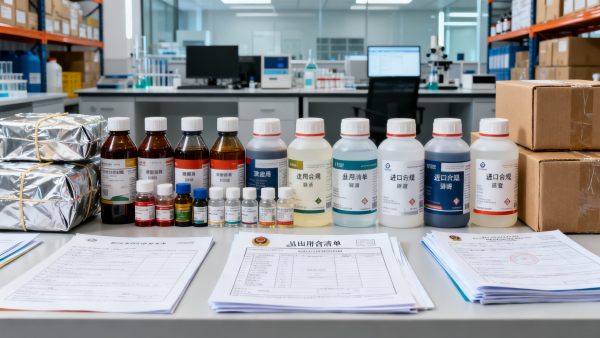
Starting October 1, 2026, the EU market will face a direct compliance change after the European Chemicals Agency (ECHA) moved five widely used agrochemical active substances, including glufosinate and fluazinam, onto the Biocidal Products Regulation (BPR) ban list. Announced on August 1, 2026, the measure matters not only for agrochemical exporters but also for importers, overseas distributors, and supply chain teams handling product clearance, stock movement, and formulation planning within the EU.
What Has Been Confirmed So Far
According to the information provided, ECHA issued a notice on August 1, 2026 adding five commonly used agrochemical active substances, including glufosinate and fluazinam, to the BPR ban list. The measure requires that, from October 1, 2026, formulated products containing those substances must no longer be placed on the market or imported within the EU. The effective date identified for the market change is October 1, 2026.
Where the Immediate Pressure Will Appear
Export compliance moves to the front of the agenda
From an industry perspective, agrochemical export companies are likely to feel the impact first because the notice directly affects the compliance path for products destined for the EU. The main pressure points are product screening, shipment planning, and the remaining window for formulation adjustment before the effective date.
Distributors need to verify stock and customs paperwork
Overseas distributors are also directly exposed because the notice points to an immediate need to review inventory and customs clearance documentation. The operational risk is concentrated in whether existing stock, in-transit goods, and related paperwork remain aligned with the new restriction date.
Supply chain and delivery coordination may tighten
Analysis shows that supply chain service providers and logistics-related teams may be affected through timing and document control rather than through product development itself. What deserves closer attention is the handoff between shipment scheduling, import procedures, and product status verification once the October 2026 deadline takes effect.
What Companies Should Be Reviewing Now
Check whether any EU-bound formulations include the listed substances
The first practical issue is product mapping. Companies shipping to the EU need to identify whether any formulated products contain the newly banned active substances referenced in the notice, because the restriction applies to market placement and import from October 1, 2026.
Separate regulatory wording from day-to-day execution
Analysis shows that regulatory language and business execution do not always move at the same pace. Firms should pay close attention to how the ban date affects specific operational steps such as order confirmation, shipment release, customs document preparation, and inventory handling, rather than treating the rule only as a high-level compliance notice.
Review documents tied to customs clearance and delivery
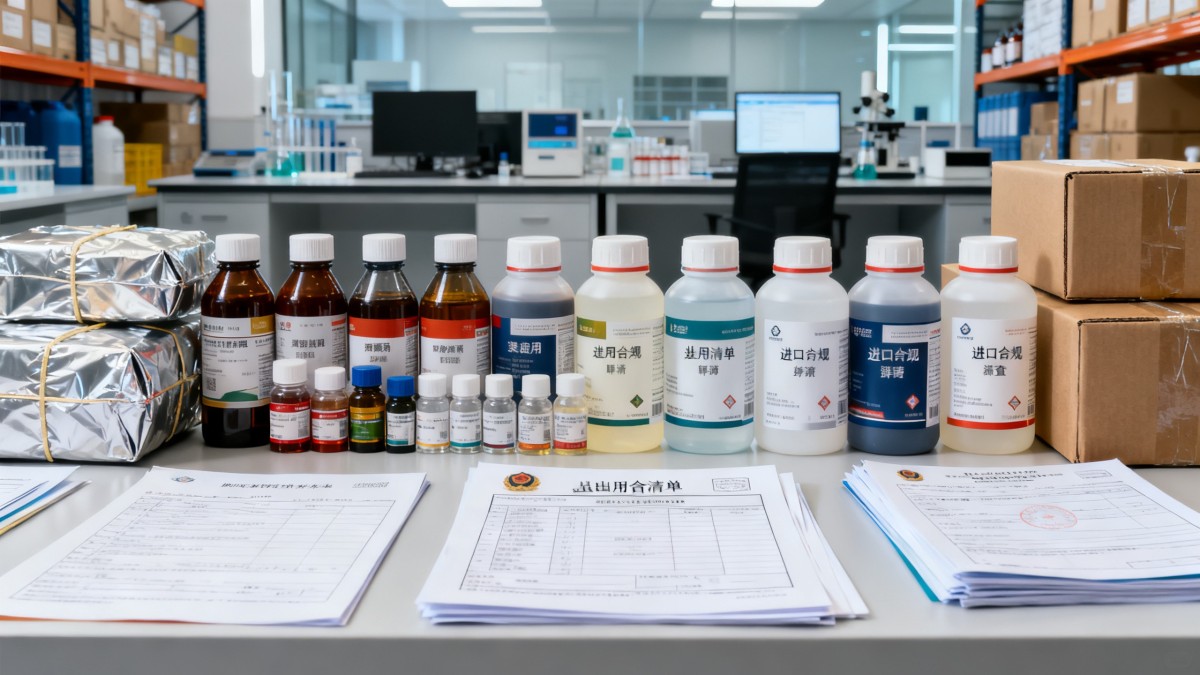
What deserves closer attention is document readiness. The information provided explicitly highlights customs clearance files, which means companies involved in cross-border delivery should verify whether existing product documents, shipment files, and customer-facing compliance materials still match the new regulatory position.
Prepare customer and supplier communication early
Observably, this is also a communication management issue. Exporters, distributors, and sourcing teams should be ready to clarify product status, delivery timing, and any required formulation changes with suppliers and customers to reduce confusion during the transition window.
Why This Looks Like More Than a Routine Update
Analysis shows that this development is best understood as an immediate operational signal rather than a distant policy discussion. The effective date is already defined, and the notice directly connects regulatory change with product movement into the EU market. At the same time, it is more appropriate to understand this as a targeted compliance event based on the information provided, not as a complete judgment on the broader agrochemical market.
From an industry perspective, the most important point is that the change compresses the response window for companies with EU-facing business. That makes formulation review, stock verification, and document control more urgent than broad strategic interpretation.
How the Market May Need to Read This Development
At this stage, the update should be read as a concrete compliance change with immediate implications for trade execution and product handling in the EU. It does not, based on the available information, justify sweeping conclusions beyond the affected substances and the BPR-linked restriction. A balanced reading is that this is both a near-term operational issue and a regulatory signal that merits continued monitoring.
Basis of This Article and Ongoing Verification
This article is based on the user-provided news title, event date, and event summary. For developments of this kind, relevant source categories typically include official notices, company disclosures, industry association updates, authoritative media reports, and standard-setting or regulatory documents. The specific official source link was not provided in the input, so the exact notice text and any subsequent clarification still require continued verification. Follow-up attention should remain on any further official wording, implementation clarifications, and business-side handling of stock and import documentation.
Related Intelligence
- AgrochemicalsGrain Production: Key Practices for Improving Yield While Protecting Soil HealthGrain production strategies to improve yield, protect soil health, manage nutrients, reduce compaction, and build resilient fields for lasting results.
- AgrochemicalsHow Do New FDA Rules Affect Agri-Chemical Sourcing Strategies?How do new FDA rules impact agri chemical sourcing strategies? Explore practical supplier screening, traceability, contaminant control, and risk-based compliance steps.
- AgrochemicalsBrazil Eases Entry for Chinese Visitors Ahead of August Agrochemical ShowBrazil eases entry for Chinese visitors ahead of AgrochemShow, helping agrochemical businesses plan faster meetings, visits, and exhibition travel in Sao Paulo.
The Morning Broadsheet
Daily chemical briefings, market shifts, and peer-reviewed summaries delivered to your terminal.
