

The Authority in Global Agricultural Chemistry & Bio-Resources
Indonesia Centralizes Key Commodity Exports

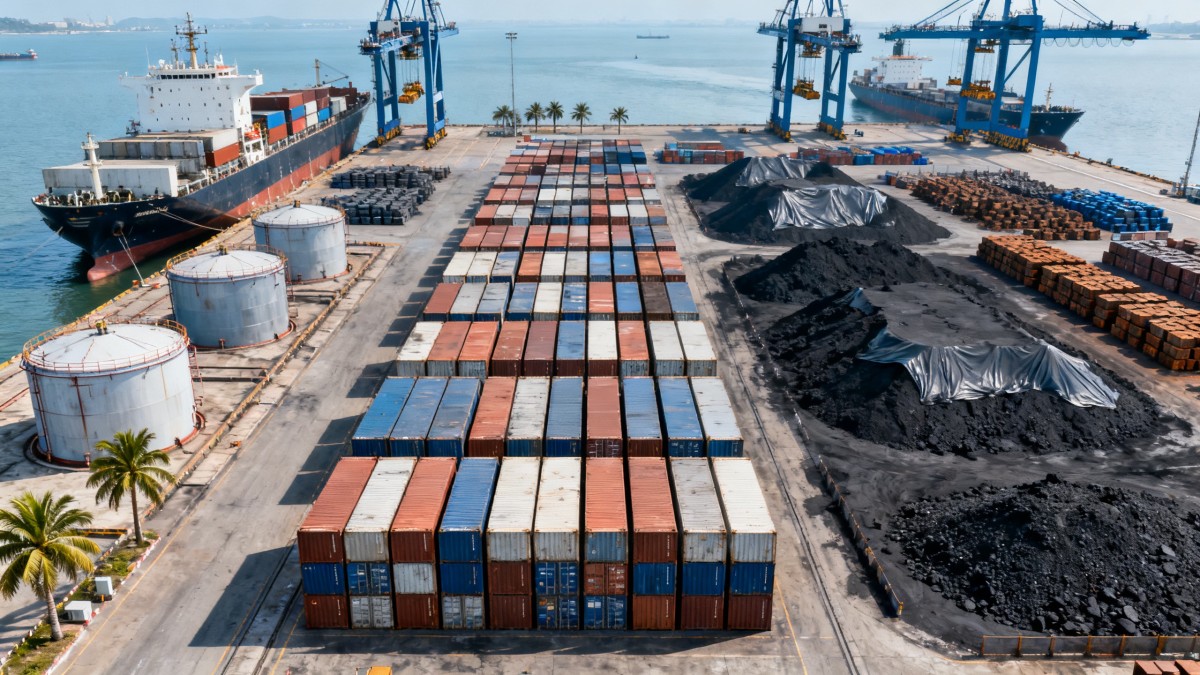
Image placement plan: One image placeholder is placed after the lead section to support visual reading of the policy and supply chain topic.
From June 1, 2026, Indonesia will implement centralized export control over palm oil, coal, and ferroalloys, with a designated state-owned company becoming the sole export entity through a phased transition ending on September 1. The development deserves attention from agricultural raw material buyers, feed and energy auxiliary material users, metal processing supply chains, and overseas procurement teams because it may affect compliance review, delivery coordination, and sourcing arrangements for related products.
Event Overview
According to the provided information, the Indonesian government will begin centralized export control for palm oil, coal, and ferroalloys on June 1, 2026. The designated export entity is the state-owned Danantara Energy Company, which will become the only export body under the policy arrangement.
The transition will be carried out in phases, with full takeover scheduled for September 1, 2026. The publicly provided information identifies direct relevance to global supply chains involving agricultural raw materials, feed and energy auxiliary materials, and supporting materials for metal processing equipment.
The information also indicates that overseas customers purchasing palm-derived materials, such as plant-based emulsifiers, mineral additives, and biomass fuels may face compliance and delivery risks during the transition period.
Which Segments May Be Affected
Direct Trading Companies
Direct trading companies may be affected because the export channel for palm oil, coal, and ferroalloys is set to move toward a centralized structure. This changes the counterparty and export execution arrangement for transactions involving these categories.
From an industry perspective, the main impact may appear in contract execution, export documentation review, shipment coordination, and communication with buyers. Companies engaged in cross-border trade of the affected commodities need to verify whether existing transaction paths remain valid during the phased transition.
Raw Material Procurement Companies
Raw material procurement companies may be affected if their sourcing plans involve Indonesian palm oil-related derivatives, coal-related energy inputs, ferroalloy materials, or connected auxiliary products. The provided information specifically mentions palm derivatives such as plant-based emulsifiers, as well as mineral additives and biomass fuels.
Analysis shows that procurement teams should pay attention to whether suppliers can continue to deliver under the new export arrangement, especially between June 1 and September 1. The main concerns are not limited to price discussions, but also include supplier qualification, shipment timing, documentation consistency, and confirmation of the actual export entity.
Processing and Manufacturing Enterprises
Processing and manufacturing enterprises may be affected when their production depends on stable input of palm-derived raw materials, mineral additives, biomass fuels, or materials linked to metal processing equipment supply chains.
What deserves more attention at present is the risk of delivery uncertainty during the policy transition. If manufacturers rely on scheduled arrivals for production planning, they may need to review purchase orders, delivery windows, and alternative supply arrangements related to the affected product categories.
Channel and Distribution Companies
Channel and distribution companies that handle downstream sales of affected raw materials or auxiliary materials may face greater coordination pressure. If upstream exporters adjust procedures or delivery arrangements, distributors may need to communicate revised timelines to customers.
Observably, the impact for distributors is likely to be reflected in inventory planning, customer notification, and order confirmation. Since the policy involves a phased transition, distribution companies should avoid assuming that all shipments will be affected in the same way or at the same time.
Supply Chain Service Providers
Supply chain service providers, including logistics coordinators and compliance support teams, may need to adjust review procedures for export-related documentation. The designation of a sole export entity may require closer verification of the shipper, exporter, and supporting trade documents for affected categories.
From an industry perspective, service providers should prepare for more frequent questions from overseas buyers regarding whether orders fall within the centralized control scope and whether delivery schedules remain unchanged during the transition.
What Companies Should Monitor and How to Respond
Track Official Policy Wording and Follow-Up Updates
Companies involved in palm oil, coal, ferroalloys, palm derivatives, mineral additives, or biomass fuels should continue monitoring official wording and later implementation details related to the centralized export control. The currently provided information confirms the start date, the phased transition, the full takeover date, and the designated export entity.
Analysis shows that further attention should be placed on how product scope, documentation requirements, and operational procedures are clarified during implementation. Companies should not rely only on general descriptions when making procurement or shipment decisions.
Review Affected Product Categories and Business Links
Enterprises should identify whether their purchases or sales involve palm-derived materials such as plant-based emulsifiers, energy-related auxiliary materials, mineral additives, biomass fuels, coal, ferroalloys, or supporting supply chains connected to metal processing equipment.
It is more appropriate to understand this as a need for category-by-category review rather than a broad assumption that all related business will be affected equally. Procurement, logistics, quality control, and sales teams should align on which product lines require immediate verification.
Distinguish Policy Signals from Business Execution
The policy has a defined implementation timeline, but actual business execution may vary by transaction, supplier, and shipment stage. Companies should distinguish between the confirmed policy direction and the practical status of individual orders.
What deserves more attention at present is whether existing contracts, purchase orders, and shipment plans can be completed under current arrangements or need to be adjusted during the transition period ending September 1, 2026.
Prepare Procurement, Communication, and Contingency Plans
Procurement teams should confirm shipment feasibility with suppliers, request clear documentation on export arrangements, and review delivery commitments for orders involving affected materials. For buyers using these inputs in production, early communication with suppliers and customers can reduce uncertainty.
From an industry perspective, a practical response should include checking supplier readiness, confirming the responsible export entity where relevant, reviewing inventory coverage, and preparing alternative scheduling plans for critical materials. These actions should be tied directly to the affected categories rather than treated as a general supply chain exercise.
Editor’s View / Industry Observation
Analysis shows that this development is not only a commodity export policy issue, but also a supply chain coordination issue for overseas buyers connected to Indonesian palm oil, coal, and ferroalloy exports. The phased transition from June 1 to September 1 makes timing a central concern for procurement and delivery planning.
Observably, the policy is already a confirmed arrangement based on the provided information, while its operational impact on individual transactions still needs continued monitoring. It is more appropriate to understand this as a policy-driven supply chain signal that may gradually translate into contract, compliance, and logistics adjustments.
From an industry perspective, companies should avoid both overreacting and underestimating the change. The key is to identify exposure to the affected product categories and verify whether current suppliers, export procedures, and delivery schedules remain aligned with the new arrangement.
Conclusion
Indonesia’s centralized export control over palm oil, coal, and ferroalloys from June 1, 2026 is significant for global buyers and supply chain participants connected to agricultural raw materials, feed and energy auxiliary materials, and metal processing-related inputs. The designation of a sole export entity and the phased transition to September 1 create a need for closer compliance and delivery review.
At this stage, the development should be viewed in a neutral and practical way: the policy direction is clear, while the exact impact on specific orders depends on product category, supplier arrangement, and shipment timing. Companies are best advised to monitor updates, review exposure, and prepare targeted procurement and communication plans.
Information Source Statement
Main source: Provided industry information on Indonesia’s centralized export control for palm oil, coal, and ferroalloys effective from June 1, 2026.
Items for continued observation: Further official implementation details, product scope clarification, documentation requirements, transition execution, and actual delivery impact on affected overseas procurement orders.
Related Intelligence
- Botanical ExtractsChoosing Botanical Extracts for Pharmaceuticals: Potency, Purity, and ComplianceBotanical extracts for pharmaceuticals: learn how to assess potency, purity, traceability, and GMP compliance for confident, regulatory-ready supplier selection.
- Botanical ExtractsBotanical Extracts Market Outlook: Supply, Pricing, and Buyer RisksBotanical extracts market insights on supply, pricing, quality control, and buyer risks—compare suppliers confidently and protect your sourcing strategy.
- Botanical ExtractsEurope Botanical Extracts Market: Key Growth Drivers, Risks, and OpportunitiesEurope botanical extracts market insights: explore growth drivers, regulatory risks, supply-chain challenges, and scalable opportunities for compliant, high-value ingredients.
The Morning Broadsheet
Daily chemical briefings, market shifts, and peer-reviewed summaries delivered to your terminal.
