

The Authority in Global Agricultural Chemistry & Bio-Resources
EU to End Low-Value Parcel Duty Exemption
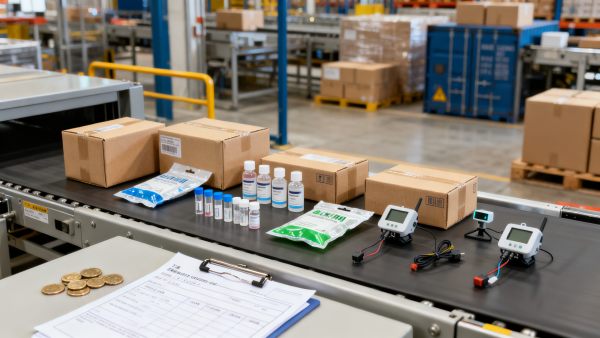
From July 1, 2026, the European Union will abolish the customs duty exemption for cross-border parcels valued below EUR 150 and apply a fixed EUR 3 duty per low-value direct-shipped item. The change is particularly relevant to B2B sample shipments, trial kits, small agricultural sensors, enzyme trial packs, Custom Synthesis orders, Botanical Extracts trial purchases, European distributors, and end buyers, because it may alter the cost and efficiency of early-stage product verification and first-order conversion.
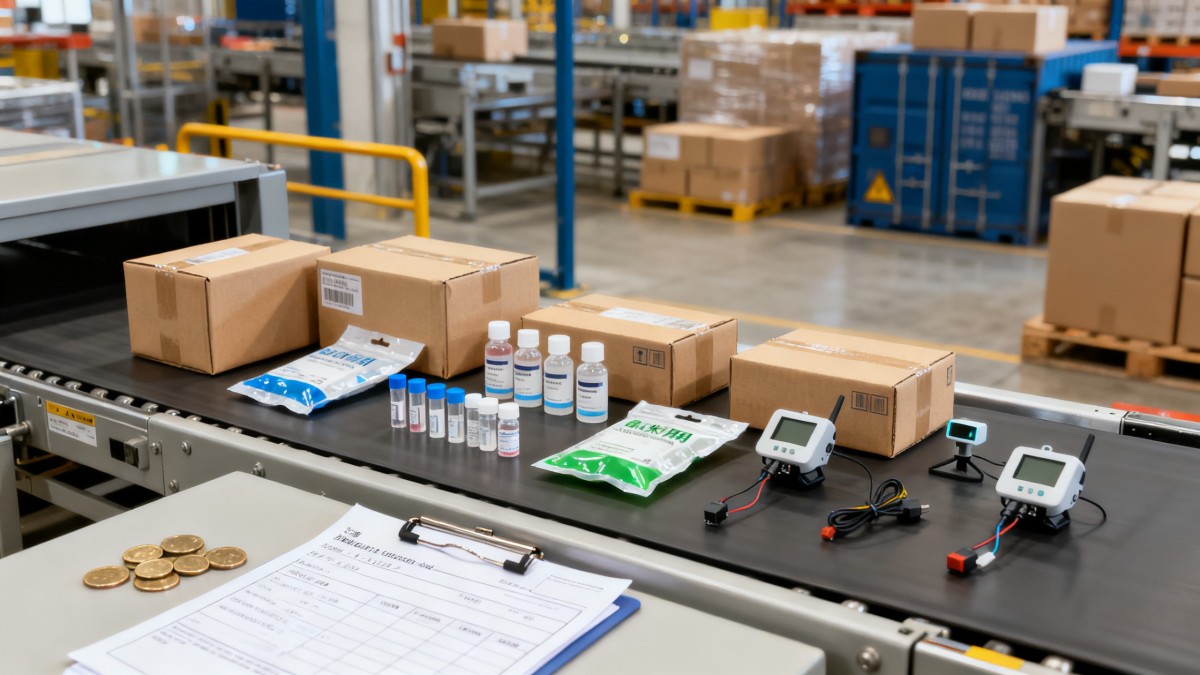
Event Overview
The Council of the European Union has announced that, starting July 1, 2026, the customs duty exemption for cross-border small parcels valued below EUR 150 will be removed. Under the announced adjustment, all low-value direct-shipped parcels will be subject to a fixed EUR 3 customs duty per item.
The publicly available information in the briefing identifies affected examples including samples, kits, small agricultural sensors, enzyme trial packs, small-volume Custom Synthesis orders, and Botanical Extracts trial purchases. The confirmed change directly concerns the tax treatment of low-value parcels entering the EU market.
Which Segments May Be Affected
Direct Cross-Border Trade Companies
Direct cross-border trade companies may be affected because low-value parcels that previously fell under the EUR 150 duty exemption will no longer be exempt from customs duty. The impact is mainly reflected in per-item cost increases for small parcels, especially when companies ship multiple samples or trial products to European buyers.
From an industry perspective, the EUR 3 fixed duty may be more noticeable for low-value items than for higher-value shipments, because the duty is applied per item rather than as a broad order-level adjustment. This may require sellers and buyers to review how they structure sample shipments and small trial orders.
Raw Material Buyers and Product Evaluation Teams
Raw material buyers and product evaluation teams may face higher trial-purchase costs when requesting samples, enzyme trial packs, Botanical Extracts, or similar low-value materials from non-EU suppliers. These purchases are often used for testing, quality checks, and supplier screening before formal procurement decisions.
Analysis shows that the main concern is not only the EUR 3 duty itself, but also how the added cost may affect the frequency and scope of sample requests. Buyers that compare several suppliers or multiple product specifications may need to account for the cumulative cost of repeated low-value shipments.
Custom Synthesis and Small-Batch Order Participants
Companies involved in Custom Synthesis and small-batch customized orders may also be affected, especially when early-stage cooperation depends on small trial batches, test samples, or preliminary verification shipments. These parcels may fall into the category of low-value direct-shipped items covered by the announced adjustment.
It is more appropriate to understand this as a cost and workflow issue for early-stage order conversion. If each trial shipment carries an additional fixed duty, both suppliers and European buyers may need to communicate more clearly about sample quantity, shipment frequency, and whether multiple items should be coordinated within a more planned procurement process.
European Distributors and End Buyers
European distributors and end buyers may experience changes in inspection efficiency and first-order conversion. The briefing specifically indicates that the adjustment may raise the cost of B2B sample shipping, small-volume Custom Synthesis orders, and Botanical Extracts trial purchases, affecting product verification and first-order decision-making.
Observably, distributors that rely on fast sample circulation may need to pay closer attention to how trial parcels are organized. End buyers may also become more selective when requesting samples, particularly for low-value items used mainly for initial screening.
Supply Chain and Shipment Coordination Roles
Supply chain service providers, internal logistics teams, and procurement coordinators may need to adjust how they handle low-value direct-shipped parcels into the EU. The confirmed policy change introduces a fixed duty on all such parcels, which may require clearer cost allocation between suppliers, distributors, and buyers.
From an industry perspective, the practical impact may appear in quotation formats, sample request procedures, and shipment planning. Companies may need to make the EUR 3 per-item duty visible in internal cost estimates and buyer communications to avoid misunderstanding during trial orders.
What Companies and Practitioners Should Watch and How to Respond
Track Further Official Clarification
Companies should continue to monitor follow-up official wording related to the July 1, 2026 implementation. The confirmed information states that the exemption for parcels below EUR 150 will be abolished and a fixed EUR 3 duty will apply per low-value direct-shipped item.
What deserves closer attention now is whether later official communications provide more operational details on parcel classification, declaration practices, or implementation procedures. Until such details are confirmed, companies should avoid treating unverified assumptions as final rules.
Review Product Categories Most Exposed to Low-Value Parcel Costs
Businesses should identify product lines that frequently move as low-value parcels, including samples, kits, small agricultural sensors, enzyme trial packs, Botanical Extracts trial purchases, and early-stage Custom Synthesis materials. These categories are directly relevant to the announced change because they often depend on small, direct-shipped consignments.
Analysis shows that the most immediate business impact may be concentrated in sample-heavy workflows. Companies may need to estimate how many separate trial items are typically shipped to European buyers and how the EUR 3 per-item duty could change the total cost of product evaluation.
Separate Policy Signal from Business Execution
The announced change is a clear policy direction for low-value parcels, but practical business execution still depends on how each company structures shipments, pricing, and sample programs. It is more appropriate to understand this as a confirmed rule change with operational details that should be watched closely before implementation.
For current planning, companies should distinguish between the confirmed duty change and any unverified assumptions about broader logistics or customs procedures. Internal teams should base cost models only on confirmed information and update them when additional official guidance becomes available.
Prepare Procurement, Quotation, and Communication Plans
Before July 1, 2026, suppliers and buyers should consider revising sample quotation templates, trial order terms, and internal approval procedures for low-value parcels entering the EU. The EUR 3 fixed duty should be included in discussions where sample cost, trial order budget, or first-order conversion is relevant.
From an industry perspective, clearer communication may reduce friction between suppliers, European distributors, and end buyers. If sample shipments become more costly on a per-item basis, companies may benefit from better planning around sample quantity, shipment timing, and the purpose of each trial parcel.
Editor’s View / Industry Observation
Observably, this update is significant because it changes the cost logic for low-value direct-shipped parcels into the EU. For industries that rely on samples, trial kits, small sensors, enzyme packs, Botanical Extracts, and Custom Synthesis verification shipments, the change may influence how early-stage procurement is organized.
Analysis shows that the announcement is already a concrete policy change with a stated implementation date, rather than only a market rumor or general policy signal. However, the day-to-day business impact will depend on shipment frequency, item value, product category, and how European buyers and suppliers share or absorb the additional per-item cost.
What deserves closer attention now is not only the duty amount, but also the way it may reshape buyer behavior during the sample and trial-purchase stage. If European distributors and end buyers become more selective in requesting low-value samples, suppliers may need to make trial shipments more purposeful and better documented.
Conclusion
The EU’s planned removal of the EUR 150 low-value parcel duty exemption from July 1, 2026 carries practical implications for B2B sample shipping, small-volume Custom Synthesis orders, Botanical Extracts trial purchases, and other low-value direct-shipped items. The fixed EUR 3 per-item duty may increase the cost of product verification and influence first-order conversion in the European market.
It is more appropriate to understand this update as a confirmed customs duty adjustment that requires early operational planning, rather than as a reason for broad market speculation. Companies should continue tracking official details, review exposed product categories, and prepare practical procurement and shipment communication plans before the implementation date.
Information Source Statement
Main source: Council of the European Union announcement as described in the provided briefing.
Items requiring continued observation: any subsequent official clarification on implementation details, parcel classification, and operational procedures related to the fixed EUR 3 duty for low-value direct-shipped parcels entering the EU.
Related Intelligence
- Custom SynthesisThird-Party Testing of Chemical Synthesis Impurities: Methods and Detection LimitsExplore chemical synthesis impurities third party testing methods, detection limits, and reporting essentials to verify supplier claims and make confident sourcing decisions.
- Custom SynthesisWhat Are Common Pitfalls in Fine Chemical Supplier Audits?What are common pitfalls in fine chemical supplier audits? Discover hidden risks in data integrity, impurity controls, and process changes—and learn how to qualify suppliers with confidence.
- Custom SynthesisWhat Data Should a Chemical Manufacturer Provide for a GMP Audit?What data should a chemical manufacturer provide for GMP audit readiness? Explore the essential records for traceability, validation, data integrity, and confident compliance.
The Morning Broadsheet
Daily chemical briefings, market shifts, and peer-reviewed summaries delivered to your terminal.
