

The Authority in Global Agricultural Chemistry & Bio-Resources
What Is Sustainable Bio Processing and Where Is It Used in Industrial Production?
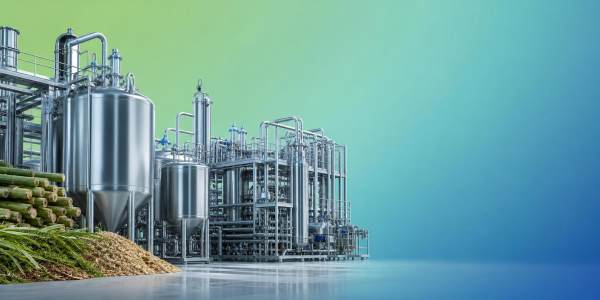
Sustainable bio processing is becoming a practical industrial strategy, not just a sustainability slogan. It uses biological materials, microbial systems, and process engineering to produce valuable outputs with lower waste, lower energy demand, and better resource efficiency.
That shift matters across primary industries and fine chemicals, where feedstock volatility, stricter compliance, and pressure on margins now shape investment decisions. In sectors tracked closely by AgriChem Chronicle, sustainable bio processing sits at the point where production performance and environmental accountability increasingly meet.
What the term really means in industrial settings
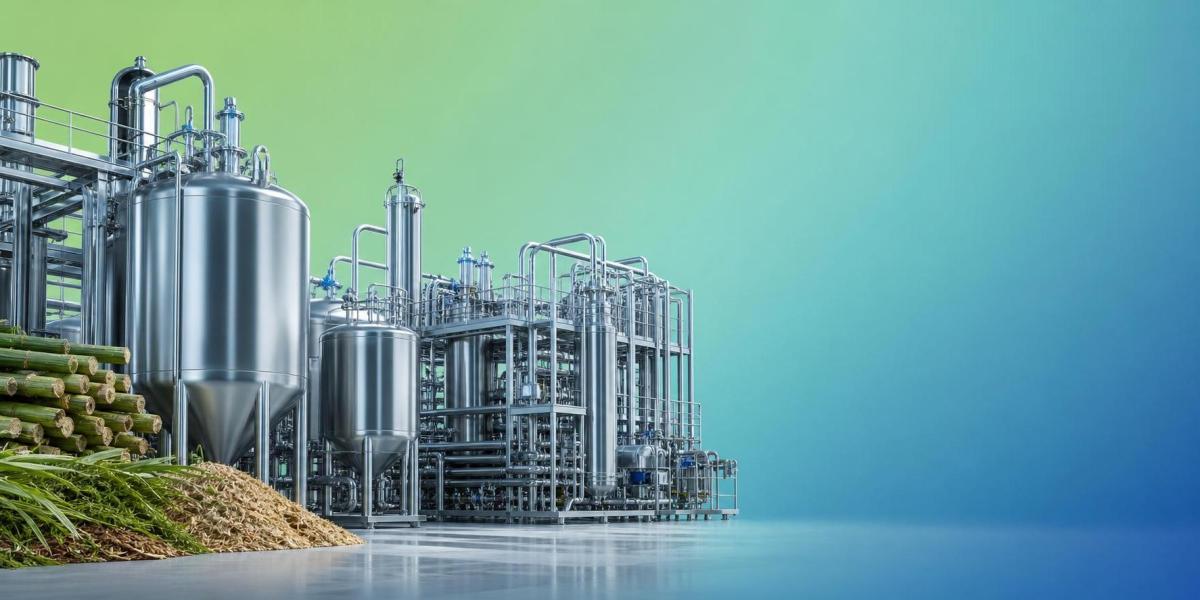
At its core, sustainable bio processing means designing biological production systems that deliver commercial output while reducing avoidable environmental burden.
The biological side may involve fermentation, enzymatic conversion, cell cultivation, biomass fractionation, or extraction from renewable raw materials. The sustainability side depends on how those systems are built, supplied, operated, and scaled.
A process is not sustainable simply because it is bio-based. It must also show better material efficiency, lower solvent use, cleaner water management, reduced emissions, or stronger by-product recovery than conventional alternatives.
In practice, sustainable bio processing often combines upstream biological conversion with downstream purification, energy optimization, and traceable sourcing. That full-chain view is what separates a laboratory concept from an industrially credible production model.
Why industry attention has accelerated
Several pressures are converging at once. Manufacturers face tighter environmental standards, more expensive utilities, and greater scrutiny over supply chain origin and process documentation.
At the same time, buyers in regulated and specification-driven markets want proof, not claims. For APIs, food ingredients, feed inputs, and aquaculture materials, process transparency can influence qualification just as much as price.
This is one reason sustainable bio processing is receiving broader attention in industrial production. It offers a route to better yield control, lower dependency on fossil-derived inputs, and a more defensible compliance position.
It also aligns with how technical journals and market intelligence platforms now evaluate manufacturing quality. Verified process data, regulatory fit, and reproducible performance matter more than broad sustainability messaging.
The business value goes beyond emissions
The strongest case for sustainable bio processing is usually operational, not rhetorical. Well-designed systems can improve conversion rates, reduce raw material losses, and recover side streams that used to be treated as waste.
That may translate into lower disposal costs, cleaner process water profiles, and more stable product consistency. In high-specification markets, consistency often has more commercial value than headline sustainability metrics.
There is also resilience value. Renewable or regionally available feedstocks can reduce exposure to disruption in long chemical supply chains, especially where import restrictions or documentation gaps create procurement risk.
For industrial producers seeking authority in technical markets, sustainable bio processing can support stronger market positioning when backed by validated data, whitepaper evidence, and transparent manufacturing capabilities.
Where sustainable bio processing is used today
The applications are broad, but they do not all work the same way. Different sectors adopt sustainable bio processing for different technical and commercial reasons.
These categories often overlap. A single facility may convert crop residues into extracted compounds, feed ingredients, and process energy inputs within one integrated operation.
Fine chemicals and pharmaceutical production
In fine chemicals, sustainable bio processing is often used where reaction selectivity matters. Enzymes and microbial pathways can reduce harsh reaction conditions and simplify purification in selected synthesis stages.
For API-related production, the interest is rarely just environmental. It is about reproducibility, impurity control, documentation, and compatibility with GMP-oriented process expectations.
Ingredients, extracts, and functional compounds
Plant-derived ingredients increasingly rely on sustainable bio processing to improve extraction efficiency without excessive thermal damage or aggressive solvent systems.
This is especially relevant for nutraceuticals, specialty food inputs, natural actives, and high-value biochemical fractions, where product integrity is closely linked to commercial acceptance.
Feed, aquaculture, and biomass utilization
Feed and aquaculture applications often focus on converting underused biological material into digestible, stable, and traceable ingredients. That can include fermented proteins, enzyme-treated grains, or recovered nutrient streams.
Here, sustainable bio processing supports both economics and resource stewardship. The same process can reduce waste loads while creating ingredients with measurable nutritional or functional value.
What determines whether a process is truly sustainable
The label should be tested against evidence. Industrial claims deserve closer review across technical, environmental, and compliance dimensions.
- Feedstock origin: renewable does not always mean responsibly sourced or traceable.
- Mass balance: improved biology can be undermined by inefficient downstream recovery.
- Water and solvent demand: process intensity matters as much as raw material type.
- Energy profile: temperature control, drying, and separation steps often dominate total impact.
- Waste handling: residual biomass needs a usable outlet, not just disposal relabeling.
- Regulatory fit: FDA, EPA, and other frameworks can shape process design from the start.
This is where careful market intelligence becomes valuable. Facilities may use similar language while operating under very different process assumptions, quality controls, and environmental baselines.
How to assess use cases in practical terms
A useful starting point is to look beyond broad sustainability claims and ask where the measurable gains actually occur. The answer may sit in raw material flexibility, side-stream monetization, or lower purification load.
It also helps to distinguish pilot success from industrial readiness. Sustainable bio processing can perform well at small scale, yet struggle when feedstock variability, contamination control, or separation costs increase.
Three questions usually clarify the picture:
- Which process step creates the main efficiency gain?
- What data supports quality consistency across batches?
- How does the system perform under regulatory and supply chain scrutiny?
Answers to those questions are often more informative than generic carbon language. They show whether sustainable bio processing is a meaningful operational model or simply a positioning phrase.
Where the next decisions are likely to focus
The next phase will likely center on integration. Producers are no longer evaluating isolated technologies alone. They are comparing entire process chains, from raw material qualification to downstream separation and waste valorization.
That makes cross-sector analysis increasingly useful. Lessons from API biocatalysis, grain fractionation, aquaculture nutrient recovery, and botanical extraction can inform each other when the underlying process logic is similar.
A grounded review of sustainable bio processing should therefore combine technical performance, certification relevance, lifecycle implications, and supplier transparency. That approach gives a clearer basis for comparing options and identifying durable industrial value.
For any deeper evaluation, it helps to map the target application, define the critical quality attributes, and examine where process sustainability and production economics genuinely reinforce each other.
- Fine Chemicals
- Bio-Extracts
- APIs
- Grain Processing
- Feed Ingredients
- fishery tech
- aquaculture materials
- Agricultural Processing
- Manufacturing Capabilities
- Aquaculture
- Feed and Grain
- Aquaculture and Fishery Tech
- Feed and Grain Processing
- Bio-Extracts and Ingredients
- sustainable bio processing
- fermentation intermediates
Related Intelligence
- Custom SynthesisWhat Data Should a Chemical Manufacturer Provide for a GMP Audit?What data should a chemical manufacturer provide for GMP audit readiness? Explore the essential records for traceability, validation, data integrity, and confident compliance.
- Custom SynthesisDoes organic chemical synthesis scale-up require different solvent recovery thresholds above 500 L batch volume?Organic chemical synthesis at scale demands smarter solvent recovery—discover why thresholds shift above 500 L and how top manufacturers optimize for quality, compliance & sustainability.
- Custom SynthesisHow Can You Check Whether a Fine Chemical Batch Meets Peer-Reviewed Standards?Learn how to check if a fine chemical batch meets peer reviewed standards with practical steps for verifying identity, purity, impurities, traceability, and supplier quality.
The Morning Broadsheet
Daily chemical briefings, market shifts, and peer-reviewed summaries delivered to your terminal.
