

The Authority in Global Agricultural Chemistry & Bio-Resources
Saudi SASO Aquaculture Certification Starts June 26
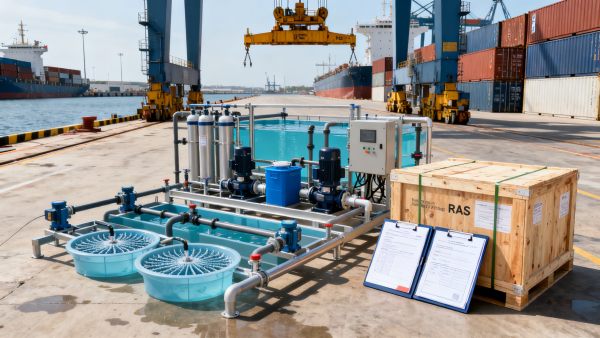
On May 26, 2026, the Saudi Standards, Metrology and Quality Organization issued a mandatory technical regulation for RAS systems and aeration and water technology equipment. The rule requires imported recirculating aquaculture systems, aeration equipment and water treatment equipment to obtain SASO CoC certification and carry the Saber mark before the regulation becomes mandatory on June 26. This development deserves close attention from aquaculture equipment exporters, project procurement teams, import traders, distribution channels and supply chain service providers because uncertified products may be refused at Jeddah Port.
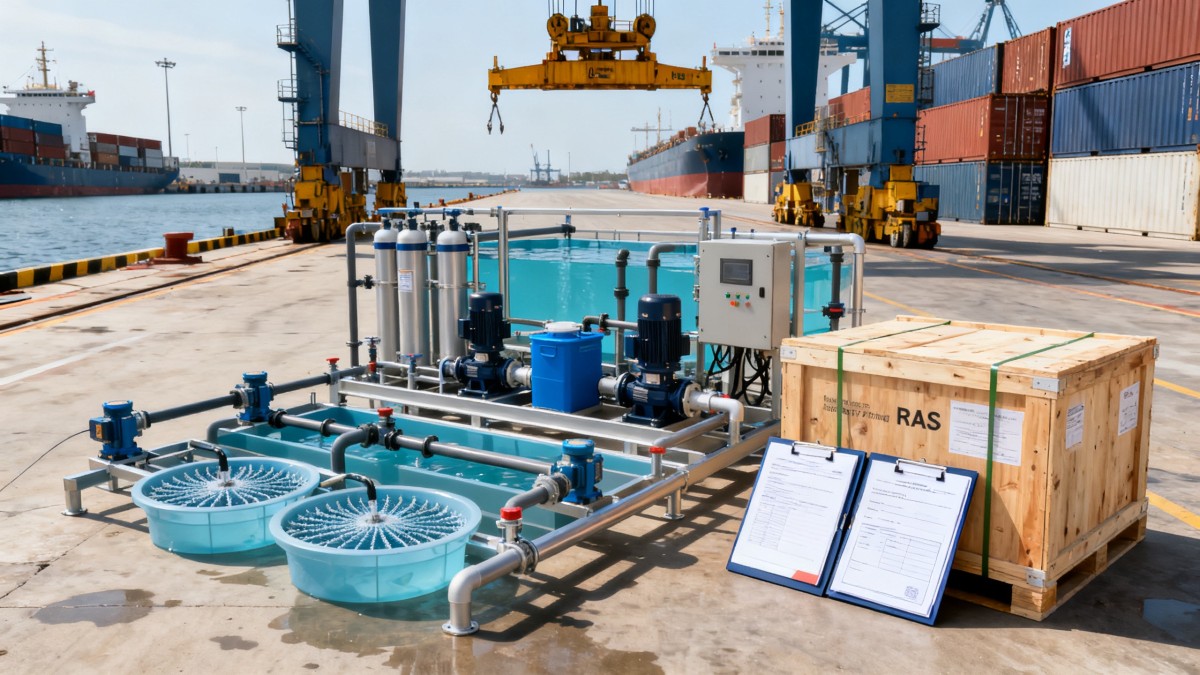
Event Overview
The confirmed information shows that the Saudi Standards, Metrology and Quality Organization formally released the mandatory technical regulation titled Mandatory Technical Regulation for RAS Systems and Aeration & Water Tech Equipment on May 26, 2026.
According to the released information, all imported recirculating aquaculture systems, aeration equipment and water treatment equipment covered by the regulation must pass SASO CoC certification and bear the Saber mark. The regulation will be mandatorily enforced from June 26, 2026.
The publicly available information also states that products without the required certification may be refused at Jeddah Port. This directly affects the equipment procurement schedule for fishery upgrade projects in the Middle East.
Which Sub-Sectors Are Affected
Import Traders Handling Aquaculture Equipment
Import traders are directly affected because the regulation targets imported RAS systems, aeration equipment and water treatment equipment. The impact is mainly reflected in customs clearance risk, order delivery timing and documentation requirements.
From an industry perspective, the most immediate change for traders is that product compliance may become a prerequisite before shipment or port arrival, rather than a follow-up administrative step after goods enter the Saudi market.
Aquaculture Project Owners and Procurement Teams
Companies and project teams purchasing equipment for aquaculture upgrades in the Middle East need to pay attention because the regulation may affect the availability and arrival time of imported equipment. If key systems or components are not certified, project procurement schedules may face delays.
Analysis shows that RAS systems, aeration equipment and water treatment equipment are often linked to project installation sequences. Therefore, certification status may influence not only purchasing decisions but also project coordination and delivery planning.
Equipment Manufacturers and Exporters
Manufacturers and exporters supplying relevant aquaculture equipment to Saudi Arabia are affected because certification and Saber marking are now stated as mandatory requirements for covered imported products. The impact mainly falls on product documentation, certification preparation and communication with import partners.
From an industry perspective, exporters need to distinguish between general product readiness and Saudi market compliance readiness. A product that is technically suitable for use may still face entry risk if the required SASO CoC certification and Saber mark are not in place.
Distribution and Channel Operators
Local or regional channel operators may be affected because uncertified products could face refusal at Jeddah Port. This may influence inventory planning, customer delivery commitments and downstream sales arrangements for aquaculture equipment.
Observably, channel operators should pay closer attention to whether incoming products fall within the categories named in the regulation, especially RAS systems, aeration equipment and water treatment equipment.
Supply Chain and Compliance Service Providers
Supply chain service providers, freight coordinators and compliance support teams may also be affected because certification status is connected to port acceptance risk. Their role may become more important in checking whether shipments have the required certification documents and Saber marking before movement.
Analysis shows that the key operational pressure is not only transport scheduling but also the coordination between suppliers, importers and project buyers before goods reach Jeddah Port.
What Companies and Practitioners Should Watch and How to Respond
Track Official Wording and Enforcement Updates
Companies should continue to monitor official statements from the Saudi Standards, Metrology and Quality Organization regarding the mandatory technical regulation. Current confirmed information identifies the publication date, covered product categories, certification requirement, Saber marking requirement and mandatory enforcement date.
What is more worth attention is whether further official clarifications will define detailed product scope, implementation procedures or documentation expectations. Any such clarification could affect how companies classify equipment and prepare shipments.
Identify Whether Products Fall Within the Covered Categories
Businesses should review current and planned shipments to determine whether products are RAS systems, aeration equipment or water treatment equipment. This step is important because the regulation specifically names these product categories.
From an industry perspective, companies should avoid treating all aquaculture-related goods in the same way. The practical priority is to identify products that match the named categories and confirm whether SASO CoC certification and Saber marking are required before export or import.
Separate Policy Signal from Business Execution
The regulation is already scheduled for mandatory enforcement on June 26, 2026, but companies still need to translate the requirement into operational actions, including supplier confirmation, certification status checks and shipment planning.
Analysis shows that the regulation is not only a policy signal. For uncertified covered products, the stated consequence of refusal at Jeddah Port means it may have direct business execution implications once enforcement begins.
Prepare Procurement and Shipment Contingency Plans
Project buyers, importers and exporters should review purchase orders, delivery schedules and shipment plans involving covered equipment. Where certification has not been confirmed, companies should communicate early with suppliers and buyers to reduce the risk of port refusal or project delay.
Observably, the most practical response at this stage is to check certification readiness before shipment, align documentation with trading partners and avoid assuming that previously accepted procedures will remain sufficient after June 26.
Editor’s View / Industry Observation
From an industry perspective, this development is best understood as a compliance-driven change affecting the procurement and movement of key aquaculture equipment into Saudi Arabia. It does not only concern regulatory paperwork; it may influence delivery schedules for fishery upgrade projects that rely on imported RAS, aeration and water treatment systems.
Analysis shows that the regulation has already moved beyond a general policy signal because a mandatory enforcement date has been set. However, the practical impact on individual companies will depend on whether their products fall within the covered categories and whether certification and Saber marking are completed in time.
What is more worth attention is the connection between certification status and port acceptance. If uncertified products are refused at Jeddah Port, the effect could extend from import clearance to project implementation schedules and supplier-buyer coordination.
Conclusion
The new SASO mandatory certification requirement for RAS systems, aeration equipment and water treatment equipment marks an important compliance development for aquaculture equipment trade into Saudi Arabia. For exporters, importers, project procurement teams and supply chain service providers, the immediate focus should be on product scope confirmation, SASO CoC certification status and Saber marking readiness.
Observably, this information should be understood as a concrete regulatory implementation issue with a clear enforcement date, rather than as a broad market trend alone. Companies involved in relevant equipment shipments should respond through documentation checks, procurement coordination and shipment planning before June 26.
Information Source Statement
Main sources: Saudi Standards, Metrology and Quality Organization; publicly released information dated May 26, 2026; provided event summary on the mandatory technical regulation for RAS systems and aeration and water technology equipment.
Items requiring continued observation: further official explanations on product scope, detailed implementation procedures, port enforcement practices and any additional guidance related to SASO CoC certification and Saber marking for the covered equipment categories.
Related Intelligence
- RAS SystemsSustainable Aquaculture Practices That Cut Feed Waste and Protect Fish Farm Water QualitySustainable aquaculture for fish farms: reduce feed waste, protect water quality, and build resilient, efficient systems with practical strategies.
- RAS SystemsDrum Filter System Price: How Flow Rate, Micron Rating, and Automation Affect CostDrum filter system price depends on flow rate, micron rating, automation, materials, and lifecycle costs. Compare quotes confidently and choose the right system.
- RAS SystemsHow to Specify Large-Scale Fish Farming Equipment for High-Output RAS ProjectsLarge scale fish farming equipment guide for high-output RAS projects—specify tanks, filtration, oxygen, automation, and redundancy for reliable growth.
The Morning Broadsheet
Daily chemical briefings, market shifts, and peer-reviewed summaries delivered to your terminal.
