

The Authority in Global Agricultural Chemistry & Bio-Resources
CBP ACE F865 Checks Start June 2

Beginning on June 2, 2026, U.S. Customs and Border Protection, or CBP, will enable the F865 error code in the ACE system to enforce matching among HTS codes, importer EIN records, industry registrations, and business licenses, affecting importers and supply chain participants involved in food-contact materials, aquaculture equipment parts, agricultural enzyme preparations, and natural ingredient materials.
Image Placement Plan
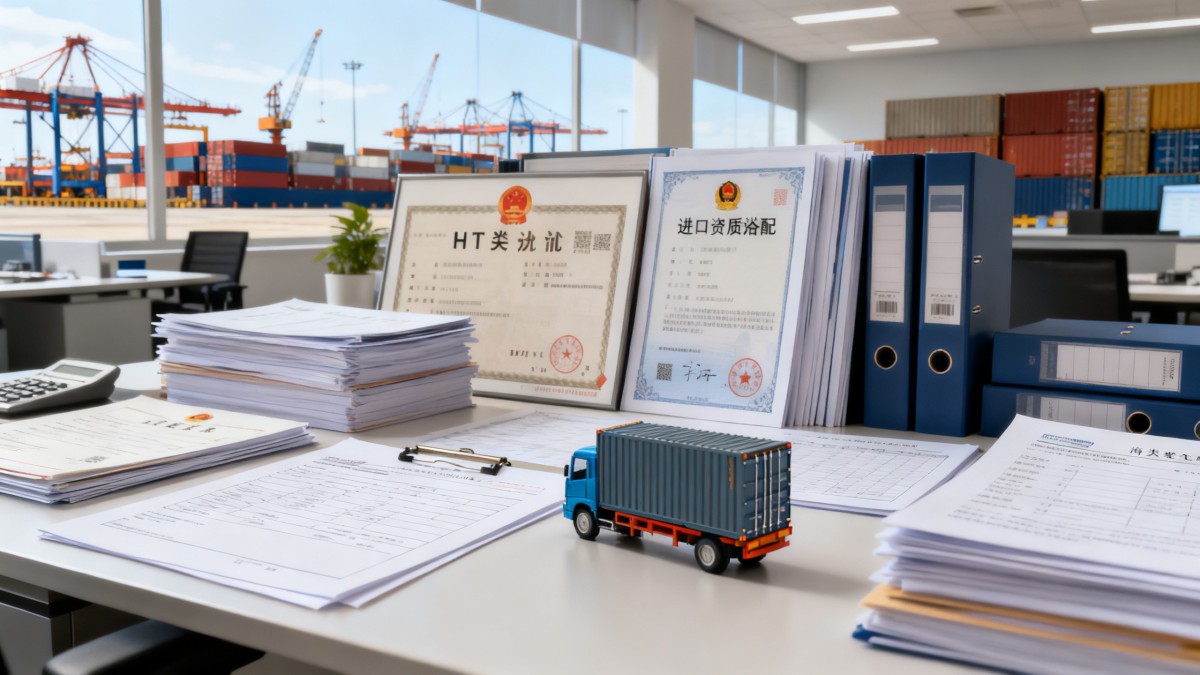
The article uses one visual placeholder near the factual overview section to support reader understanding of the ACE validation workflow and the compliance checkpoints linked to HTS and importer qualification matching.
What Has Been Confirmed About the ACE F865 Change
According to the provided event information, CBP will activate the F865 error code in the ACE system on June 2, 2026. The validation will check whether four elements are aligned: the HTS code, the importer EIN, the relevant industry registration, and the applicable business license.
If a declaration does not match these requirements, it will be automatically rejected. The provided information also states that there will be no correction channel for mismatched filings. The categories identified for closer regulatory attention include food-contact materials, aquaculture equipment parts, agricultural enzyme preparations, and natural ingredient materials.
How the New Validation Rule May Affect Market Participants
Import and export trading companies
From an industry perspective, trading companies may be directly affected because they often coordinate product classification, importer records, and filing data before goods enter the import process. The change may affect declaration preparation, document review, shipment release planning, and communication with importers. These companies may need to pay closer attention to whether HTS codes correspond with the importer EIN and the required qualifications before filing.
Raw material procurement companies
Analysis shows that procurement teams handling natural ingredient materials or agricultural enzyme preparations may face higher documentation sensitivity. The impact may appear in supplier selection, material specification confirmation, and pre-purchase compliance checks. Procurement companies may need to verify whether materials are classified consistently and whether the importer has the relevant registration and license coverage for the declared goods.
Processing and manufacturing companies
Manufacturers using imported food-contact materials, equipment parts, enzymes, or natural ingredients may be affected through production scheduling and inbound material planning. If an import declaration is rejected, downstream production could face timing pressure. It is more appropriate to understand this as a compliance coordination issue rather than only a customs filing issue, because product classification, importer qualification, and business license information must be aligned before import submission.
Supply chain service providers
Customs brokers, logistics coordinators, and related supply chain service providers may need to adjust their pre-filing review processes. The key impact may occur in data verification, document collection, shipment timing coordination, and client communication. What deserves closer attention is that the provided event information describes automatic rejection without a correction channel, making front-end validation more important.
Compliance Points Companies Should Review Before Filing
Align HTS classification with importer qualification records
Companies should review whether each HTS code used in ACE is consistent with the importer EIN, the relevant industry registration, and the business license scope. This is especially important for the product categories identified in the event summary, where mismatches may trigger the F865 error code.
Strengthen supplier and importer qualification checks
For goods involving food-contact materials, aquaculture equipment parts, agricultural enzyme preparations, and natural ingredient materials, companies may need to confirm qualification documents earlier in the transaction process. Supplier files, importer records, and license information should be checked before shipment arrangements are finalized.
Review technical documents and product descriptions
Product descriptions, specifications, and supporting documents should be consistent with the declared HTS code. While the provided information does not specify document formats, the F865 validation indicates that inconsistent classification and qualification data may lead to rejection at the filing stage.
Adjust delivery and purchasing schedules for filing risk
Because mismatched declarations will be automatically rejected and no correction channel is described in the provided information, companies may need to allow more time for pre-filing checks. Purchasing teams, logistics teams, and compliance teams should coordinate before goods are shipped or import documents are submitted.
Industry View: Compliance Is Moving Further Upstream
Analysis shows that the ACE F865 change may push import compliance work from the customs declaration stage to earlier commercial and procurement stages. Instead of treating HTS classification as a final filing task, companies may need to connect classification decisions with importer qualifications and license coverage from the start of a transaction.
From an industry perspective, this may increase the importance of internal coordination among compliance, sourcing, logistics, and sales teams. For manufacturers and traders, the practical challenge may not only be knowing the correct HTS code, but also ensuring that the importer profile and required registrations support that code.
Observably, the categories mentioned in the provided summary involve materials, equipment parts, enzymes, and natural ingredients that may have complex product descriptions. This does not mean all shipments in these categories will face the same outcome, but it suggests that companies handling such goods should treat data consistency as a core import control point.
A Measured Takeaway for the Industry
The activation of the F865 error code in ACE marks a stricter validation approach for HTS codes and importer qualification matching. Its significance lies in the closer connection between customs data, importer identity, industry registration, and business license information.
Companies should avoid overstating the impact before further execution details are observed, but they should also not treat the change as a routine system update. A rational response is to review classification logic, qualification records, and filing workflows before the effective date, particularly for the product categories identified in the provided event summary.
Information Basis and Items to Monitor
This article is based on the user-provided news title, event date, and event summary. Specific official source links were not provided in the input and should be verified continuously.
For this type of regulatory and trade compliance development, companies may normally monitor official customs notices, ACE system guidance, importer filing requirements, certification and registration instructions, and industry compliance updates. Further attention should be paid to implementation details, certification interpretation, tender document changes, filing practice, and industry feedback after the F865 validation becomes active.
Related Intelligence
- Food Grade EnzymesWhat Drives Industrial Enzyme Costs? Activity, Format, and Supply Risk ExplainedIndustrial enzyme cost factors explained: compare activity, formulation, shelf life, documentation, and supply risk to reduce process costs and improve purchasing decisions.
- Food Grade EnzymesIs There a Global Standard for Biochemical Engineering Product Quality?Is there a global standard for biochemical engineering product quality? Explore GMP, ISO, traceability, and supplier checks for confident global sourcing.
- Food Grade EnzymesHow Enzymes for Cracker Formulation Improve Texture and Shelf LifeEnzymes for cracker formulation can enhance dough handling, crisp texture, and shelf life. Explore targeted enzyme strategies for consistent, high-quality crackers.
The Morning Broadsheet
Daily chemical briefings, market shifts, and peer-reviewed summaries delivered to your terminal.
