

The Authority in Global Agricultural Chemistry & Bio-Resources
FDA Sets New GMP Rule for Botanical Extract Imports
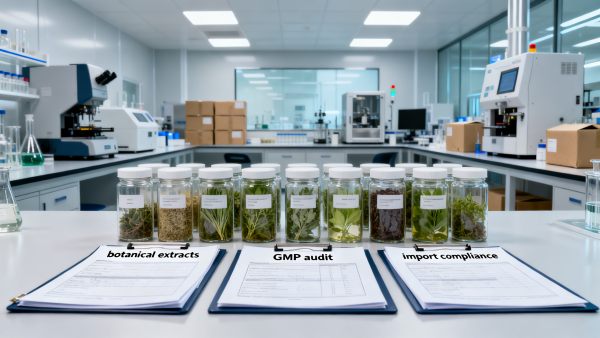
On August 5, 2026, the US FDA issued a revised final guidance for botanical extracts used in human food and dietary supplements, with mandatory application starting September 1, 2026. The update puts immediate compliance pressure on imported botanical extract suppliers, including Chinese manufacturers, and deserves close attention from exporters, import-facing suppliers, procurement teams, and compliance functions because it directly touches market access, customs processing efficiency, and customer qualification review.
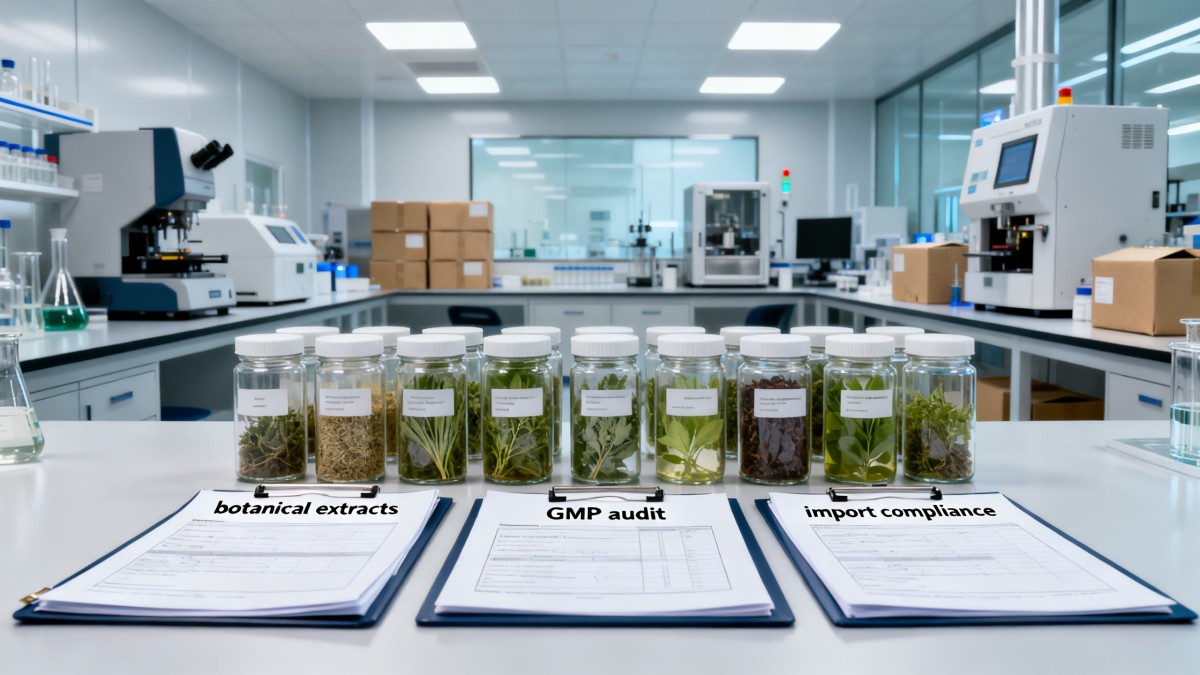
What the FDA update formally requires
The revised final guidance is titled Botanical Extracts for Human Food and Dietary Supplements: Current Good Manufacturing Practice Guidance. According to the information provided, the FDA released this updated final version on August 5, 2026.
The guidance requires all imported botanical extract suppliers to pass an FDA-recognized third-party GMP audit from September 1, 2026. It also requires submission of facility registration and product ingredient declarations. The requirement applies to imported suppliers, including manufacturers in China.
The confirmed direct impact described in the source information concerns market access for botanical extract exports, customs clearance timing, and customer-side procurement compliance review procedures.
Where the operational impact is likely to appear
Export suppliers may face a narrower compliance window
From an industry perspective, direct trading companies and overseas-facing botanical extract manufacturers are likely to be affected first because the new requirement is tied to import entry conditions and qualification review. The main pressure points are likely to be audit readiness, document submission, and the ability to demonstrate that a shipment aligns with the new compliance threshold from the effective date.
Procurement teams may tighten supplier screening
Buyers and raw material sourcing teams may see this update as a trigger to recheck supplier eligibility. Analysis shows that the issue is not only whether a product can be purchased, but whether the supplier can provide the required audit outcome, facility registration, and ingredient declaration in a form that supports internal compliance review.
Customs and supply chain execution may become more document-sensitive
Supply chain service providers and logistics-linked compliance teams may also feel the effect because the guidance is described as having a direct bearing on customs clearance timeliness. What deserves closer attention is whether submission readiness and document consistency become practical factors in shipment scheduling and border processing.
Customer-facing compliance reviews may become more detailed
For channel operators, importers, and downstream application businesses using botanical extracts, the update may feed into procurement approval and supplier management workflows. Observably, the requirement may influence how customers review vendor files, ingredient statements, and readiness before placing or continuing orders.
What companies should watch now
Audit status should be treated as an immediate transaction issue
Analysis shows that the third-party GMP audit requirement is not a distant policy signal because the effective date is already defined. Companies involved in US-bound business should pay close attention to whether relevant suppliers have completed, scheduled, or prepared for an FDA-recognized audit in time for September 1, 2026.
Document completeness may affect both sales and delivery
Facility registration and product ingredient declarations are specifically named in the provided information. That makes document preparation a practical concern for more than regulatory staff alone. Sales, export documentation, and customer service teams may all need to confirm that the same compliance information can support quotation review, order confirmation, and shipment execution.
Customer communication should distinguish rule text from execution details
What deserves closer attention is the difference between the published requirement and how individual customers apply it in their own approval processes. Some counterparties may focus on formal eligibility, while others may emphasize timing, document format, or internal review sequence. Companies should therefore track not only the FDA language itself but also how key customers are translating it into procurement conditions.
Contingency planning matters where delivery timing is tight
Because the guidance is described as affecting customs clearance timing, businesses with near-term delivery commitments may need to review schedules, supplier readiness, and documentation handoff points. From an operational perspective, this is less about broad strategy and more about reducing avoidable friction in contract performance and shipment release.
Why this reads as more than a routine wording change
Observably, this update is more appropriate to understand as a concrete compliance threshold than as a general policy reminder, because it sets a mandatory application date and names specific supplier obligations. At the same time, it should not yet be overstated as a fully settled commercial outcome for every company, since actual business effects will depend on how suppliers, buyers, and execution partners adapt in practice.
From an industry perspective, the more important signal is that market entry, customs handling, and procurement review are being linked more tightly through documented GMP and ingredient-related requirements. That is a meaningful development for companies whose US business depends on botanical extracts, even where the immediate commercial impact still needs continued observation.
How this update is best understood at this stage
At this stage, the FDA guidance update is best read as an actionable regulatory development with near-term business implications rather than as a distant trend marker. The confirmed facts already point to pressure on access qualification, documentation readiness, and review efficiency. Analysis shows that the practical significance lies in execution: whether suppliers can meet the audit and filing expectations in time, and whether buyers and service partners adjust their workflows accordingly.
For the industry, the rational takeaway is not to generalize beyond the published facts, but also not to treat the change as routine. It is more appropriate to understand this as an immediate compliance development with longer-tail implications that still require close monitoring.
Basis of this article and points for further verification
This article is based on the user-provided news title, event date, and event summary regarding the FDA update on GMP guidance for imported botanical extracts. The content has been written within the confirmed facts provided in that input.
For this type of industry development, source categories typically relevant to ongoing verification include official notices, company disclosures, industry association updates, authoritative media reporting, and standard or guidance documents. A specific official source link was not provided in the input, so the exact original publication path should continue to be verified.
Further attention should remain on any later official wording, implementation clarification, and how the requirement is reflected in procurement review, customs handling, and supplier qualification practice.
Related Intelligence
- Botanical ExtractsChoosing Botanical Extracts for Pharmaceuticals: Potency, Purity, and ComplianceBotanical extracts for pharmaceuticals: learn how to assess potency, purity, traceability, and GMP compliance for confident, regulatory-ready supplier selection.
- Botanical ExtractsBotanical Extracts Market Outlook: Supply, Pricing, and Buyer RisksBotanical extracts market insights on supply, pricing, quality control, and buyer risks—compare suppliers confidently and protect your sourcing strategy.
- Botanical ExtractsEurope Botanical Extracts Market: Key Growth Drivers, Risks, and OpportunitiesEurope botanical extracts market insights: explore growth drivers, regulatory risks, supply-chain challenges, and scalable opportunities for compliant, high-value ingredients.
The Morning Broadsheet
Daily chemical briefings, market shifts, and peer-reviewed summaries delivered to your terminal.
