

The Authority in Global Agricultural Chemistry & Bio-Resources
EU Ends Low-Value Parcel Duty Exemption in July
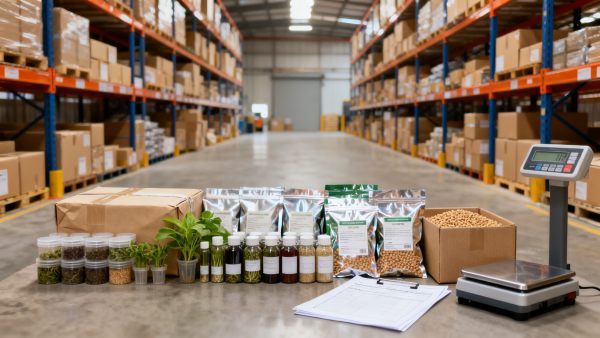
From July 1, 2026, the European Union will remove the duty-free threshold for small parcels valued below EUR 150 under Regulation (EU) 2026/1123. The change is particularly relevant to companies handling cross-border B2B samples and small shipments, including botanical extracts, food grade enzymes, and commercial feed pellet orders, because all inbound parcels will be subject to a minimum EUR 3 import duty and VAT, with an IOSS number required in advance.
Event Overview
The European Commission has formally adopted Regulation (EU) 2026/1123. According to the disclosed information, the regulation will take effect on July 1, 2026.
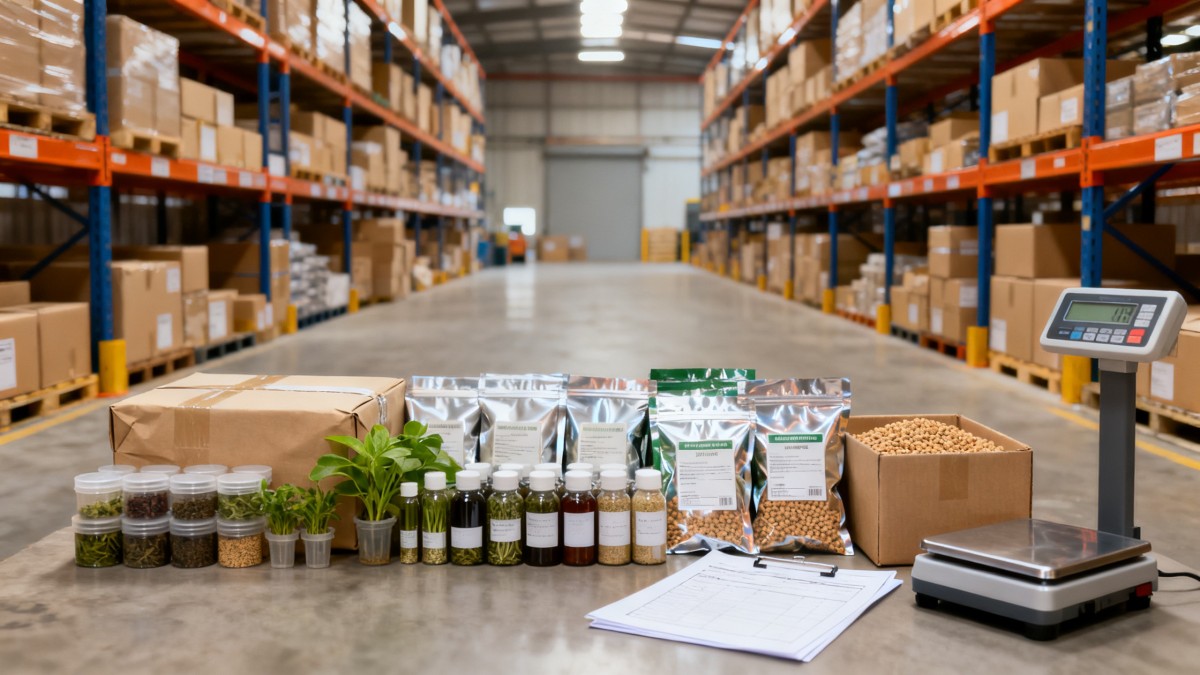
From that date, the EU will abolish the IOSS low-value parcel exemption threshold for shipments below EUR 150. All inbound parcels, regardless of declared value, will be required to pay a minimum EUR 3 import duty and VAT. The disclosed scope includes parcels such as botanical extract samples, food grade enzyme trial packs, and small-batch commercial feed pellet orders.
The disclosed information also states that an IOSS number must be declared in advance. This means that low-value B2B sample shipments and small parcel orders entering the EU will face higher delivery costs and more complex customs clearance procedures.
Which Segments Are Affected
Direct Cross-Border Trading Companies
Companies that send small parcels directly to EU customers will be among the first to face operational changes. The removal of the EUR 150 exemption means that even low-value sample parcels will no longer be treated as duty-free shipments.
The main impact will appear in landed cost calculation, quotation accuracy, customer communication, and customs documentation. For businesses frequently shipping botanical extract samples, enzyme trial packs, or small feed pellet orders, the minimum EUR 3 duty and VAT requirement may change how sample costs are quoted and absorbed.
Raw Material Procurement Companies
Procurement teams that rely on EU-bound or EU-related sample confirmation may need to re-evaluate sample logistics. When samples are used before bulk purchasing decisions, the additional duty and VAT requirement may increase the cost of pre-order verification.
From an industry perspective, the issue is not only the EUR 3 minimum duty itself, but also the need to prepare IOSS information and customs declarations before shipment. This may affect procurement timelines, supplier coordination, and the way sample batches are scheduled.
Processing and Manufacturing Enterprises
Manufacturers that send trial materials, formulation samples, or small test batches into the EU may face more administrative work. The regulation covers all inbound parcels regardless of value, so small shipments used for testing or customer evaluation may require the same pre-clearance attention as higher-value shipments.
Analysis shows that manufacturers should pay closer attention to the customs readiness of sample shipments. If trial packs are delayed due to incomplete IOSS information or unclear cost allocation, product testing and customer approval cycles may be affected.
Channel and Distribution Businesses
Distributors and channel partners handling small B2B parcels may need to adjust how they communicate import charges to customers. Previously low-value parcels may have been viewed as relatively simple to deliver, but the new rule creates a clearer cost and declaration requirement.
Observably, channel businesses should focus on whether duties, VAT, and declaration responsibilities are borne by the sender, the buyer, or another party in the transaction chain. Clear communication will be important to avoid disputes around small orders and sample shipments.
Supply Chain and Customs Service Providers
Logistics providers, customs brokers, and parcel service partners will need to support more low-value shipments that now require duty, VAT, and IOSS-related processing. The workload may increase especially for businesses that previously treated low-value parcels as simpler customs cases.
What deserves more attention now is the consistency of shipment data before dispatch. Missing IOSS numbers or unclear parcel descriptions may create clearance delays once the new rule takes effect.
Key Points for Companies and Practical Responses
Track Official Clarifications Before Implementation
Companies should continue monitoring official EU communications related to Regulation (EU) 2026/1123 before July 1, 2026. The confirmed direction is clear: the low-value exemption will be abolished, and all inbound parcels will face minimum duty and VAT requirements.
At the operational level, businesses should pay attention to any further clarification on declaration procedures, IOSS number use, and customs handling requirements. This is especially important for companies with frequent EU-bound small parcels.
Review Sample Shipments and Small-Order Workflows
Businesses should identify which products are often shipped as low-value parcels into the EU. Based on the disclosed information, botanical extract samples, food grade enzyme trial packs, and small-batch commercial feed pellet orders are examples of shipments that may be affected.
It is more appropriate to understand this as a need to review shipment workflows rather than only as a cost issue. Companies should check whether sample requests, quotation forms, parcel labels, and customs documents already include the information required for advance declaration.
Separate Policy Signals from Business Execution
The regulation provides a confirmed policy change, but each company still needs to translate it into practical execution. Duties, VAT, and IOSS number requirements may affect different business models in different ways depending on shipment frequency and parcel type.
Analysis shows that companies should avoid treating all small parcels as operationally identical. A free sample, a paid trial pack, and a small commercial order may require different cost allocation and customer communication arrangements, even though all are subject to the same broad rule.
Prepare Cost and Communication Plans in Advance
Before the effective date, companies should prepare updated cost templates for EU-bound small parcels. These templates should include the minimum EUR 3 import duty, VAT considerations, and any process changes linked to IOSS number declaration.
Customer-facing teams should also prepare clear explanations for EU buyers. For B2B sample delivery, the key point is to clarify whether the additional charges are included in the shipment arrangement or charged separately.
Editorial View / Industry Observation
From an industry perspective, the removal of the EUR 150 low-value parcel exemption is more than a customs cost adjustment. It may change how companies manage sample delivery, trial orders, and small-batch cross-border transactions involving the EU market.
Observably, this change is already a confirmed regulatory result because the effective date and core requirements have been disclosed. However, the detailed business impact will still depend on how companies adjust shipment documentation, IOSS declaration processes, and customer communication before July 1, 2026.
What deserves more attention now is the operational gap between policy compliance and daily shipment execution. For industries that depend on frequent B2B sample exchanges, even a low-value parcel can become more complex when duty, VAT, and advance declaration are required.
Conclusion
The EU decision to abolish the duty-free threshold for parcels below EUR 150 marks an important change for cross-border small parcel trade. Its impact is especially relevant to businesses shipping botanical extract samples, food grade enzyme trial packs, commercial feed pellet small orders, and similar B2B parcels into the EU.
It is more appropriate to understand this development as both a cost and compliance signal. Companies should not view it only as a minimum EUR 3 duty issue, but as a reminder to review customs documentation, IOSS preparation, cost allocation, and buyer communication before the regulation takes effect.
Information Sources
Main sources: European Commission; Regulation (EU) 2026/1123; disclosed event information regarding the July 1, 2026 implementation date and inbound parcel requirements.
Items for continued observation: further official clarification on IOSS declaration procedures, practical customs clearance requirements, and implementation details for low-value B2B sample parcels entering the European Union.
Related Intelligence
- Botanical ExtractsChoosing Botanical Extracts for Pharmaceuticals: Potency, Purity, and ComplianceBotanical extracts for pharmaceuticals: learn how to assess potency, purity, traceability, and GMP compliance for confident, regulatory-ready supplier selection.
- Botanical ExtractsBotanical Extracts Market Outlook: Supply, Pricing, and Buyer RisksBotanical extracts market insights on supply, pricing, quality control, and buyer risks—compare suppliers confidently and protect your sourcing strategy.
- Botanical ExtractsEurope Botanical Extracts Market: Key Growth Drivers, Risks, and OpportunitiesEurope botanical extracts market insights: explore growth drivers, regulatory risks, supply-chain challenges, and scalable opportunities for compliant, high-value ingredients.
The Morning Broadsheet
Daily chemical briefings, market shifts, and peer-reviewed summaries delivered to your terminal.
