

The Authority in Global Agricultural Chemistry & Bio-Resources
Saudi SASO Aquaculture Certification Starts June 26
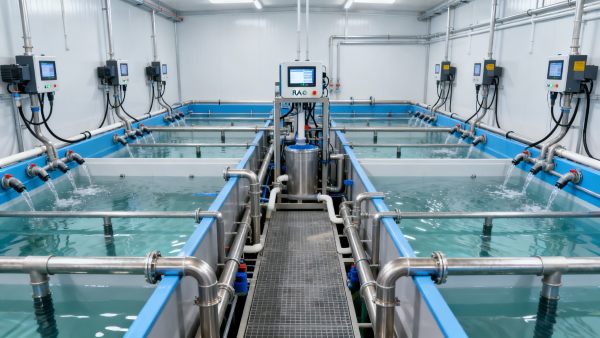
Image placement plan: one image placeholder is positioned near the opening to illustrate certified aquaculture equipment, such as RAS units, aeration devices, or water-quality monitoring terminals, before the detailed policy analysis begins.
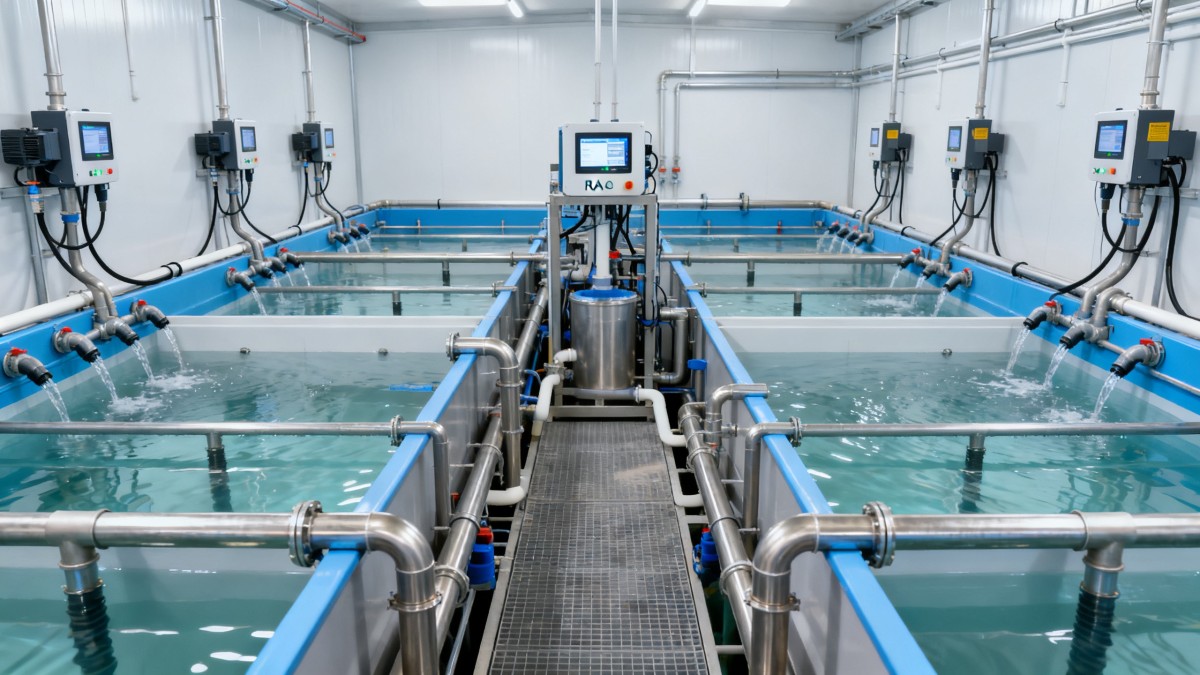
On June 26, 2026, Saudi Arabia's SASO mandatory certification update for aquaculture equipment takes effect, bringing RAS recirculating aquaculture systems, intelligent aeration equipment, and water-quality monitoring terminals into a compulsory compliance framework. The change matters to aquaculture equipment exporters, China-based RAS system manufacturers, and Middle East distributors because products without SASO CoC and IECEE CB reports will not be able to complete customs clearance.
What Has Been Confirmed in the SASO Update
SASO has formally issued the SASO IEC 60335-2-100:2026 standard. According to the provided event summary, the standard classifies RAS recirculating aquaculture systems, intelligent aeration equipment, and water-quality monitoring terminals as products subject to mandatory certification.
The new requirement is effective from June 26, 2026. Equipment that has not obtained SASO CoC together with an IECEE CB report will be unable to clear customs under the stated rule.
The confirmed business impact identified in the event summary concerns China-based RAS system manufacturers and Middle East distributors, particularly where export delivery, distribution cooperation, and project implementation depend on compliant equipment entry.
How the Rule May Reshape Industry Operations
Exporters and direct trade companies
Direct trade companies are affected because customs clearance becomes linked to the availability of SASO CoC and IECEE CB documentation. The impact is most visible in export order review, shipment scheduling, customs document preparation, and contract delivery commitments. Companies may need to check whether covered equipment is included in the mandatory certification scope before confirming delivery dates or commercial terms.
Procurement teams sourcing materials and components
From an industry perspective, procurement companies and procurement departments may be indirectly affected when equipment design, components, or supporting devices are tied to certification readiness. The key business links include supplier qualification, component traceability, technical document collection, and pre-shipment compliance checks. Buyers may need to pay closer attention to whether purchased modules, sensors, aeration units, or control-related parts can support the documentation required for final equipment certification.
Manufacturers of aquaculture systems and equipment
Processing and manufacturing enterprises face a more direct compliance burden because the listed products fall within the mandatory certification category. The affected stages may include product design review, testing preparation, report management, technical file compilation, and production consistency control. What deserves closer attention is whether RAS systems, intelligent aeration equipment, and monitoring terminals can be matched with the required certification evidence before export.
Supply chain service providers and distributors
Supply chain service enterprises, including distributors, logistics coordinators, customs service providers, and project delivery partners, may be affected because non-compliant equipment cannot clear customs. The impact may appear in import document verification, delivery coordination, inventory planning, and project handover schedules. For Middle East distributors, cooperation with upstream manufacturers may increasingly depend on whether certification documents are complete before shipment.
Compliance Priorities for Companies Preparing Shipments
Confirm whether each device falls within the covered scope
Companies should first review whether the products being supplied are RAS recirculating aquaculture systems, intelligent aeration equipment, water-quality monitoring terminals, or related equipment likely to be treated as covered products under SASO IEC 60335-2-100:2026. This review should be completed before quotation, contract signing, or shipment booking.
Align SASO CoC and IECEE CB documentation early
Because the provided summary states that equipment without SASO CoC and IECEE CB reports will not clear customs, exporters should verify certification status before shipment. Documentation gaps may create trade risk at the customs clearance stage, especially for equipment delivered as part of integrated aquaculture projects.
Update technical specifications and tender documents
For projects involving Middle East distributors, technical tender alignment and specification coordination may need to include SASO IEC 60335-2-100:2026 requirements. Product descriptions, testing references, acceptance documents, and delivery checklists should be reviewed so that certification requirements are not discovered only after production or shipment.
Reassess delivery schedules and supplier qualification controls
Manufacturers and distributors should consider whether certification preparation may affect delivery timing. Supplier qualification records, test reports, product technical files, and quality traceability documents may need to be organized before export. This is especially relevant when equipment is assembled from multiple devices or supplied as an integrated RAS solution.
Industry Observation: Certification Becomes a Market Access Filter
Analysis shows that this update is more than a product testing issue; it may function as a market access filter for aquaculture equipment entering Saudi Arabia. When customs clearance is tied to SASO CoC and IECEE CB documentation, compliance preparation becomes part of commercial execution rather than a post-sales administrative task.
From an industry perspective, the rule may raise the importance of early-stage specification management. Manufacturers that can connect design files, testing evidence, certification documents, and export documentation may be better positioned to support distributors and project buyers. This is an analytical judgment, not a confirmed market outcome.
Observably, the change may also encourage closer coordination between manufacturers and distributors. For equipment such as RAS units, aeration systems, and water-quality monitoring terminals, compliance evidence may need to be prepared before quotation or tender submission rather than after production. It is more appropriate to understand this as a shift toward documentation-driven project readiness.
Measured Takeaway for the Aquaculture Equipment Sector
The implementation of SASO IEC 60335-2-100:2026 on June 26, 2026 gives aquaculture equipment exporters a clear compliance checkpoint. For China-based RAS system manufacturers and Middle East distributors, the immediate significance lies in whether covered equipment can obtain the required SASO CoC and IECEE CB documentation before customs clearance.
The broader industry meaning should be assessed cautiously. The rule does not by itself determine market demand or commercial success, but it does make certification readiness a more visible condition for export delivery, distributor cooperation, and project implementation.
Information Basis and Items to Monitor
This article is based on the provided news title, event date, and event summary concerning SASO IEC 60335-2-100:2026 and mandatory certification requirements for selected aquaculture equipment.
For events of this type, companies would typically monitor official standards notices, certification body guidance, customs clearance requirements, and tender documentation from relevant buyers or distributors. Specific official source links were not provided in the input and should be verified continuously.
Further observation is still needed on implementation details, certification execution practices, customs interpretation, changes in tender documents, distributor feedback, and how manufacturers organize testing reports and technical files for covered equipment.
Related Intelligence
- RAS SystemsSustainable Aquaculture Practices That Cut Feed Waste and Protect Fish Farm Water QualitySustainable aquaculture for fish farms: reduce feed waste, protect water quality, and build resilient, efficient systems with practical strategies.
- RAS SystemsDrum Filter System Price: How Flow Rate, Micron Rating, and Automation Affect CostDrum filter system price depends on flow rate, micron rating, automation, materials, and lifecycle costs. Compare quotes confidently and choose the right system.
- RAS SystemsHow to Specify Large-Scale Fish Farming Equipment for High-Output RAS ProjectsLarge scale fish farming equipment guide for high-output RAS projects—specify tanks, filtration, oxygen, automation, and redundancy for reliable growth.
The Morning Broadsheet
Daily chemical briefings, market shifts, and peer-reviewed summaries delivered to your terminal.
