

The Authority in Global Agricultural Chemistry & Bio-Resources
ECHA Draft Adds Flavonoid Limits for Botanical Extracts
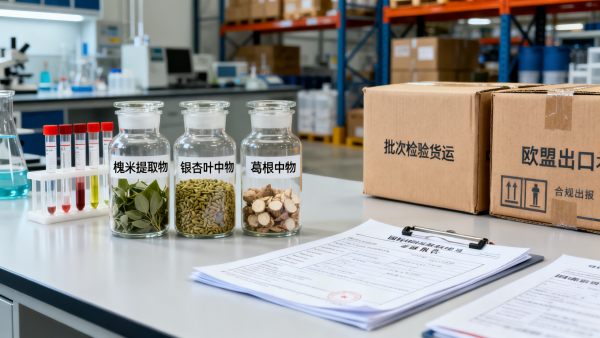
On June 29, 2026, the European Chemicals Agency (ECHA) released a draft revision to REACH Annex XVII that would add new concentration limits for three flavonoid substances in botanical extracts shipped to the EU. The update is particularly relevant to exporters, ingredient suppliers, processors, compliance teams, and customs documentation workflows because it links product composition, batch-level testing, and declaration filing to market access for certain plant extract products.
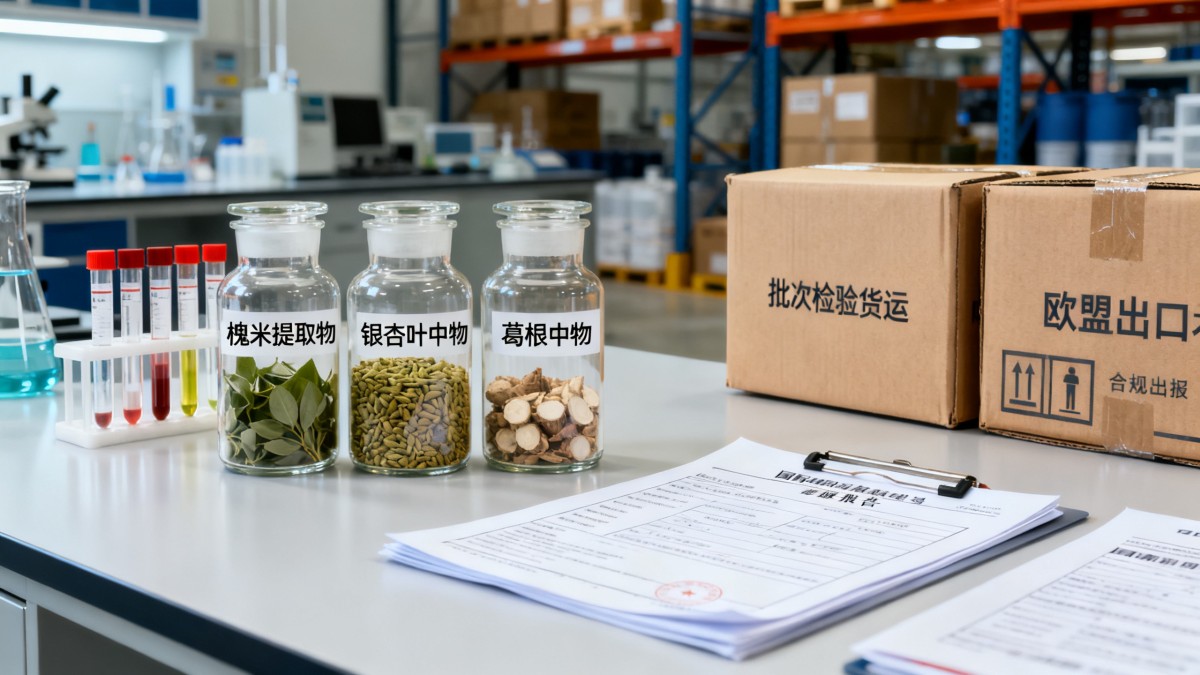
What the draft revision sets out
According to the information provided, the draft revision was issued by ECHA on June 29, 2026. It introduces a concentration limit of no more than 10 ppm for quercetin, kaempferol, and puerarin in sophora flower bud extract, ginkgo leaf extract, and kudzu root extract. The same information states that, from July 1, 2026, all botanical extract products exported to the EU must complete compliance declaration filing and batch testing report filing. The update directly affects the registration obligations of botanical extract exporters and the completeness of customs clearance documentation.
Where the immediate pressure is likely to fall
Export-facing product owners and traders
From an industry perspective, companies directly shipping botanical extracts to the EU are likely to feel the most immediate impact because the change is tied to both registration obligations and customs document completeness. The practical pressure point is not only product formulation or sourcing, but also whether each shipment is supported by the required declaration and batch testing records.
Ingredient sourcing and extract processing operations
Analysis shows that upstream sourcing and processing functions may also be affected where the covered extracts are involved. The reason is straightforward: once a concentration threshold is specified for named substances, purchasing, incoming material review, and production release decisions may need to align more closely with test-based evidence for the relevant extract batches.
Compliance, documentation, and customs support teams
What deserves closer attention is the documentation side of the rule. The provided information specifically highlights filing of compliance declarations and batch test reports, which means regulatory affairs teams, documentation managers, and customs support providers may face tighter checks on whether files are complete, current, and shipment-specific for EU-bound goods.
What companies should watch now
Follow the official wording of the draft closely
Analysis shows that the exact regulatory language matters here because the measure has been described as a draft revision to REACH Annex XVII. Companies dealing with the named botanical extracts should pay close attention to how the scope, covered products, and filing expectations are expressed in subsequent official materials.
Review the affected product list and batch evidence
What deserves closer attention is whether current EU-bound portfolios include sophora flower bud extract, ginkgo leaf extract, or kudzu root extract, and whether each batch can be matched to test reports addressing quercetin, kaempferol, and puerarin against the stated 10 ppm threshold. This is less a broad strategy issue than a product-by-product and batch-by-batch verification task.
Check document readiness before shipment execution
Observably, the business risk described in the provided information is tied to registration obligations and customs paperwork completeness. For that reason, companies should focus on whether compliance declarations and batch testing reports are prepared, internally consistent, and ready to support shipment and clearance processes for EU deliveries.
Coordinate with suppliers and customers on lead times
From an industry perspective, this update may require closer coordination across suppliers, exporters, and buyers. The key issue is not speculative market impact, but whether testing, filing, and shipment scheduling can remain aligned once the new requirement applies to products entering the EU market.
Why this matters beyond a single filing step
Analysis shows that this development is best read as more than a routine paperwork update. The draft links substance thresholds in named botanical extracts with documentation expectations at batch level, which suggests a more exact compliance interface between product composition and trade execution. At the same time, it is still more appropriate to understand the situation as a regulatory development that requires continued monitoring, rather than as a fully settled long-term outcome based only on the information currently provided.
How the market should read this update
At this stage, the update points to a near-term compliance and documentation shift for companies exporting botanical extracts to the EU, especially where the named extracts and substances are involved. A neutral reading is that the immediate issue is operational readiness: identifying affected products, confirming batch-level evidence, and keeping customs files complete. It is more appropriate to understand this as a concrete short-term compliance signal with broader implications still requiring observation.
Basis of this article and what still needs verification
This article is based on the user-provided news title, event date, and event summary. For developments of this kind, relevant source types typically include official regulatory notices, company statements, industry association updates, authoritative media reporting, and standards or regulatory documentation. A specific official source link was not provided in the input, so the exact text and any subsequent changes still need to be continuously verified against official materials. Continued attention should focus on any updated official wording, implementation details, and filing expectations related to the covered botanical extracts and batch documentation.
Related Intelligence
- Botanical ExtractsChoosing Botanical Extracts for Pharmaceuticals: Potency, Purity, and ComplianceBotanical extracts for pharmaceuticals: learn how to assess potency, purity, traceability, and GMP compliance for confident, regulatory-ready supplier selection.
- Botanical ExtractsBotanical Extracts Market Outlook: Supply, Pricing, and Buyer RisksBotanical extracts market insights on supply, pricing, quality control, and buyer risks—compare suppliers confidently and protect your sourcing strategy.
- Botanical ExtractsEurope Botanical Extracts Market: Key Growth Drivers, Risks, and OpportunitiesEurope botanical extracts market insights: explore growth drivers, regulatory risks, supply-chain challenges, and scalable opportunities for compliant, high-value ingredients.
The Morning Broadsheet
Daily chemical briefings, market shifts, and peer-reviewed summaries delivered to your terminal.
