

The Authority in Global Agricultural Chemistry & Bio-Resources
FDA Tightens Import Rules for Food Grade Enzymes
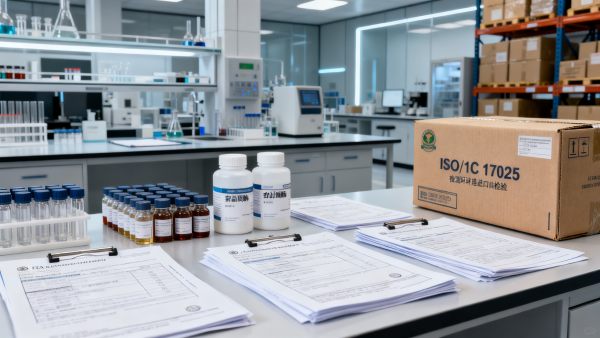
On June 30, 2026, the U.S. Food and Drug Administration put into effect a revised Import Enhancement Guide for food grade enzymes, with a new requirement taking effect from July 1: every imported batch must be supported by an enzyme activity test report issued by an FDA-recognized ISO/IEC 17025 accredited laboratory and accompanied by a method validation number. For importers, exporters, testing service providers, procurement teams, and supply chain operators handling food grade enzyme products, this is a compliance change with direct consequences for documentation review, customs clearance timing, and release risk.
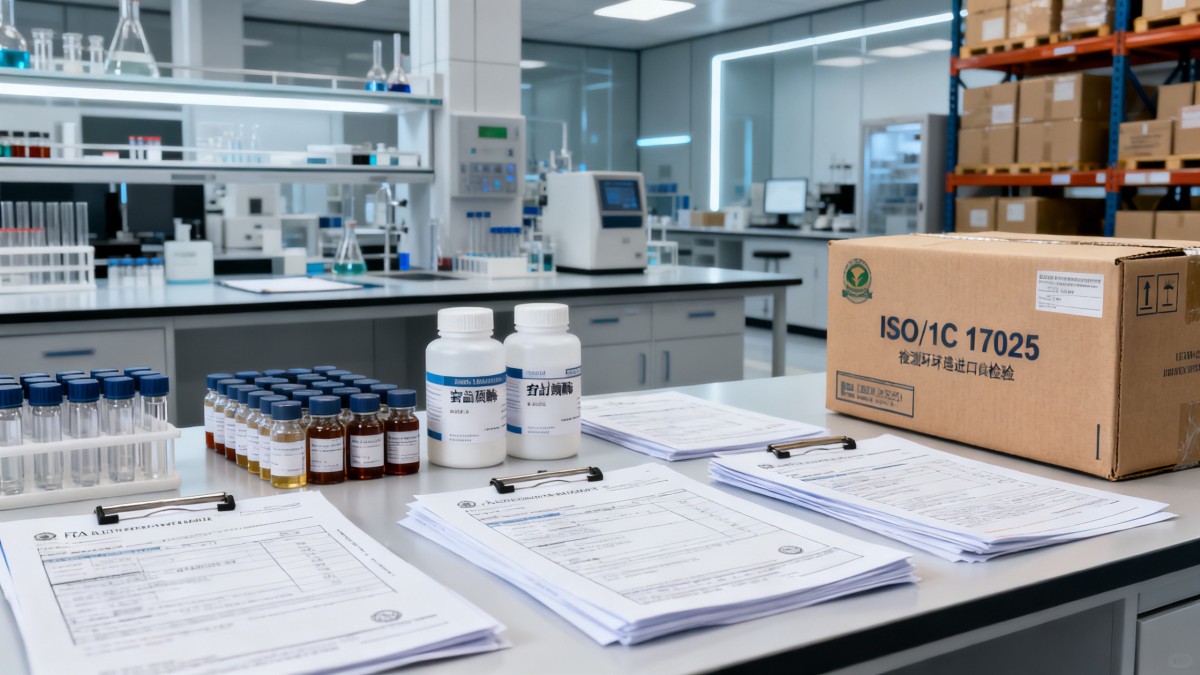
A Rule Change with Immediate Entry Consequences
The confirmed change is narrowly defined but operationally significant. FDA's revised guide became effective at 00:00 on June 30, 2026. Under the new requirement, from July 1 onward, all imported food grade enzyme preparations must include a batch-specific enzyme activity test report issued by an FDA-recognized ISO/IEC 17025 accredited laboratory. The report must also include a method validation number.
The transition-period exemption that previously applied has ended. Where submitted reports do not meet the new requirement, the outcome described in the provided information is either automatic refusal of admission (AI) by FDA or delayed release due to on-site sampling.
Where the Pressure Will Be Felt First
Import documentation is no longer a routine filing issue
For direct trading companies and importers, the immediate exposure is at the document acceptance stage. Analysis shows that the compliance threshold has shifted from simply providing a test report to providing one that matches two specific conditions at the same time: the issuing laboratory must be FDA-recognized and ISO/IEC 17025 accredited, and the report must carry a method validation number. This means import filing packages, pre-shipment checks, and batch release documentation all require closer screening before goods move.
Procurement teams will need to verify supplier testing arrangements earlier
For raw material buyers and procurement departments sourcing food grade enzymes, the issue is no longer limited to product quality claims. What deserves closer attention is whether suppliers can consistently provide compliant batch reports before shipment. If a supplier relies on laboratories that do not meet the stated condition, or if method validation details are missing, the resulting risk may appear at the border rather than during commercial negotiation.
Testing and compliance service providers face a narrower acceptance window
For laboratories, certification-related service providers, and compliance support firms, the rule change raises the importance of report acceptability rather than testing alone. From an industry perspective, this may affect how reports are prepared, how accreditation status is presented, and how validation identifiers are tied to each batch record. The practical impact is concentrated in report issuance, technical file preparation, and documentary consistency.
Delivery schedules may be affected by clearance delays
For exporters, logistics coordinators, and downstream distribution partners, the risk is tied to timing. The confirmed FDA consequence for non-compliant reporting includes automatic refusal of admission or delayed release through on-site sampling. Analysis shows that even where product demand remains unchanged, shipment scheduling, customer delivery commitments, and inventory planning may need adjustment because compliance evidence now has a stronger role in release timing.
What Companies Should Check Now
Review whether current batch reports meet the new acceptance conditions
Companies handling food grade enzyme exports to the U.S. should first verify whether each batch report is issued by an FDA-recognized ISO/IEC 17025 accredited laboratory and whether the report includes the required method validation number. This is a document-level review tied directly to the rule now in force.
Recheck supplier qualification and pre-shipment document flow
Observably, supplier approval processes may need to include a clearer check on laboratory recognition, accreditation status, and report completeness before dispatch. For businesses that buy from multiple producers or consolidate shipments across batches, this may become a practical control point in procurement and shipping coordination.
Watch for changes in official wording and execution practice
The provided information confirms the new requirement and the consequence of non-compliance, but it does not provide further operational detail on enforcement practice beyond those points. It is therefore appropriate for companies to continue monitoring how the requirement is referenced in official communications, documentary reviews, and related compliance exchanges.
Prepare for knock-on effects in timing and traceability
Where a batch is delayed or refused, the issue is likely to extend beyond customs handling into delivery planning and record traceability. Analysis shows that technical files, batch identifiers, and report references may need to be kept in closer alignment so that any review of a specific shipment can be answered quickly and consistently.
Why This Looks More Like Enforcement Tightening Than a Distant Signal
This section is an editorial observation rather than a statement of fact. Based on the information provided, the change is better understood as an implemented compliance threshold rather than a draft direction under discussion. The reason is straightforward: the guide is already effective, the transition exemption has ended, and the consequence of non-compliant reporting is explicitly linked to entry refusal or delayed release.
At the same time, this is not yet a basis for broad conclusions about market restructuring or long-term trade outcomes. What deserves closer attention is how consistently the requirement is applied in practice, how companies adjust laboratory and document arrangements, and whether buyers begin to build these conditions into routine procurement and delivery terms.
How to Read This Development at This Stage
At this stage, the most balanced reading is that FDA has converted a testing-related expectation into a clearer import compliance requirement for food grade enzyme shipments. The operational impact is immediate for documentation, laboratory selection, and shipment readiness, but broader commercial effects still depend on how market participants adapt. It is more appropriate to understand this as a concrete execution signal with direct compliance implications, while still keeping later enforcement patterns and industry feedback under observation.
About the Basis of This Article
This article is generated from the user-provided news title, event date, and event summary concerning FDA's revised Import Enhancement Guide for food grade enzymes. For events of this type, relevant source categories usually include official regulatory notices, publications from supervisory authorities, customs or trade administration information, industry association updates, standards documentation, and reporting by authoritative media. A specific official source link was not provided in the input, so continued verification remains necessary.
Observably, the points that still merit follow-up include any later policy clarification, the exact execution approach for certification and report review, potential changes in tender or purchasing document requirements, market feedback from affected companies, and the practical implementation status across supply chain participants.
Related Intelligence
- Food Grade EnzymesWhat Drives Industrial Enzyme Costs? Activity, Format, and Supply Risk ExplainedIndustrial enzyme cost factors explained: compare activity, formulation, shelf life, documentation, and supply risk to reduce process costs and improve purchasing decisions.
- Food Grade EnzymesIs There a Global Standard for Biochemical Engineering Product Quality?Is there a global standard for biochemical engineering product quality? Explore GMP, ISO, traceability, and supplier checks for confident global sourcing.
- Food Grade EnzymesHow Enzymes for Cracker Formulation Improve Texture and Shelf LifeEnzymes for cracker formulation can enhance dough handling, crisp texture, and shelf life. Explore targeted enzyme strategies for consistent, high-quality crackers.
The Morning Broadsheet
Daily chemical briefings, market shifts, and peer-reviewed summaries delivered to your terminal.
