

The Authority in Global Agricultural Chemistry & Bio-Resources
ECHA Adds 3 Botanical Extracts to SVHC List
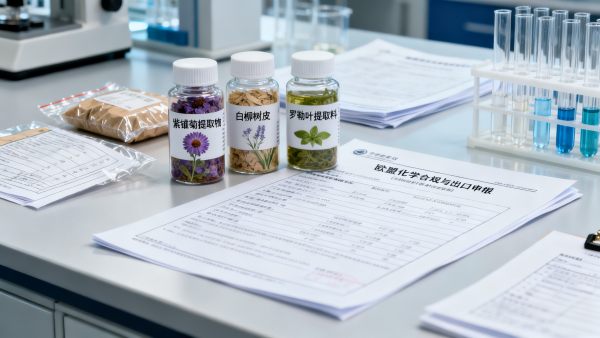
On June 28, 2026, the European Chemicals Agency (ECHA) issued a REACH revision notice that brings three botanical active ingredients into closer compliance focus: echinacea extract, white willow bark extract, and basil leaf extract. For manufacturers, importers, and downstream users exporting products containing these substances to the EU, the immediate issue is not only regulatory classification but also the need to update SCIP submissions and authorization dossiers from July 1, 2026, a change that may affect market access and customs timing for Botanical Extracts-related trade.
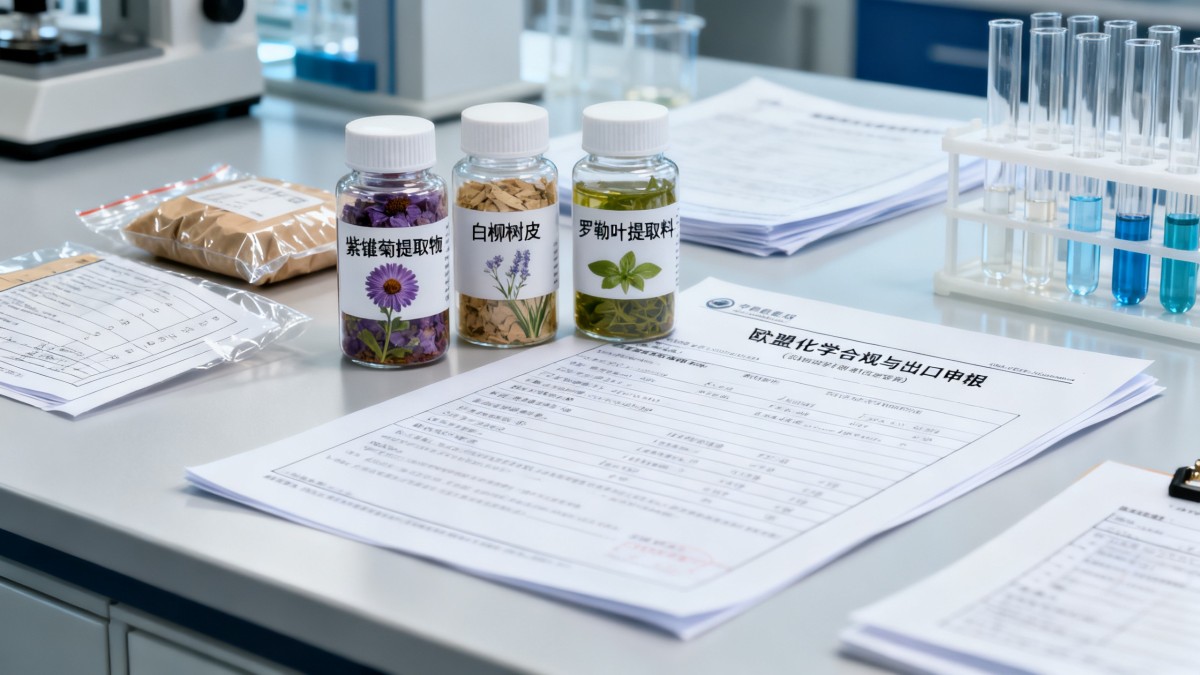
What the June 28 Notice Confirms
According to the provided information, ECHA on June 28, 2026 published a REACH amendment notice adding echinacea extract, white willow bark extract, and basil leaf extract to the SVHC Candidate List. The notice also requires all manufacturers, importers, and downstream users exporting products containing these ingredients to the EU to submit updated SCIP database notifications and authorization dossiers starting from July 1, 2026. The stated direct impact is on compliance entry conditions and customs clearance timeliness for Botanical Extracts exporters.
Where the Pressure May Appear Across the Chain
Export-facing product suppliers may face immediate document pressure
From an industry perspective, companies shipping affected products to the EU may be the first to feel the operational impact because the change is tied directly to updated filing obligations. The main pressure point is likely to be whether product documentation, substance identification, and filing status are aligned before shipment or customs review.
Manufacturers and processors may need to recheck formula-related records
Analysis shows that processing and manufacturing businesses using these botanical ingredients may need to focus on whether their internal product records and supporting dossiers match the new compliance expectations. The issue is not only the presence of the ingredients themselves, but whether the related authorization materials are current and usable in cross-border transactions.
Importers and downstream users in the EU may see tighter coordination needs
Observably, the notice places obligations not only on exporters but also on importers and downstream users. That means commercial coordination may become more document-driven, especially where one party depends on another for SCIP data, dossier updates, or ingredient disclosure. The risk here is less about a single filing event and more about whether every business role in the chain is working from the same compliance status.
Supply chain service providers may need to watch customs timing
For logistics, customs, and trade support participants, the practical issue may be shipment timing and document completeness. Since the provided information explicitly notes an effect on customs clearance efficiency, service providers involved in declarations, shipment release, or document verification should closely watch whether clients have updated materials in place from the July 1 deadline.
What Companies Should Track Now
Whether affected products contain the listed extracts
A first practical checkpoint is product scope. Companies involved in EU-bound shipments should verify whether echinacea extract, white willow bark extract, or basil leaf extract appears in products, formulas, raw material specifications, or supporting technical files tied to export business.
The gap between existing files and the July 1 update requirement
What deserves closer attention is whether current SCIP notifications and authorization dossiers already reflect the new status described in the notice. Where files were prepared under an earlier compliance position, businesses may need to identify gaps quickly because the update requirement starts only days after the June 28 announcement.
Responsibility allocation between supplier, exporter, importer, and user
Analysis shows that this development is also a coordination issue. Businesses should clarify which party is responsible for dossier preparation, SCIP-related updates, supporting declarations, and customer-facing compliance communication. Unclear division of responsibility can create delays even where the underlying product remains commercially ready.
Customer communication and shipment planning
For companies with active EU orders, it is worth reviewing near-term shipment schedules and customer communication flows. The practical concern is whether updated filings and supporting documents can be synchronized with delivery commitments, especially where customs timing is commercially sensitive.
How This Update May Be Read at This Stage
This section is analysis rather than confirmed fact. It is more appropriate to understand this development as an immediate compliance trigger with possible longer-term regulatory signaling. The short-term message is clear: businesses handling affected Botanical Extracts-related products now face a filing and dossier update requirement with a defined start date. The broader industry signal may be that plant-derived active ingredients are receiving closer regulatory attention within EU chemical compliance frameworks, but that wider interpretation still requires continued observation because no additional measures were provided in the input.
Why the Industry Should Treat It as a Near-Term Operational Issue
At this point, the clearest industry meaning lies in execution rather than speculation. The confirmed change already connects ingredient status, SCIP reporting, authorization documentation, and customs timing. For affected exporters and their trading counterparts, this is best understood as a near-term compliance and delivery management issue, while any broader market implications should remain under review until more official detail or follow-on enforcement signals become available.
Basis of This Article and What Still Needs Verification
This article is based on the user-provided news title, event date, and event summary. For this type of development, relevant source categories typically include official regulatory notices, company compliance disclosures, industry association updates, authoritative media reporting, and standards or regulatory documentation. No specific official source link was provided in the input, so the exact official publication path still needs ongoing verification. Follow-up attention should remain on any further official wording, implementation clarification, and changes affecting filing practice, dossier expectations, or customs handling.
Related Intelligence
- Botanical ExtractsChoosing Botanical Extracts for Pharmaceuticals: Potency, Purity, and ComplianceBotanical extracts for pharmaceuticals: learn how to assess potency, purity, traceability, and GMP compliance for confident, regulatory-ready supplier selection.
- Botanical ExtractsBotanical Extracts Market Outlook: Supply, Pricing, and Buyer RisksBotanical extracts market insights on supply, pricing, quality control, and buyer risks—compare suppliers confidently and protect your sourcing strategy.
- Botanical ExtractsEurope Botanical Extracts Market: Key Growth Drivers, Risks, and OpportunitiesEurope botanical extracts market insights: explore growth drivers, regulatory risks, supply-chain challenges, and scalable opportunities for compliant, high-value ingredients.
The Morning Broadsheet
Daily chemical briefings, market shifts, and peer-reviewed summaries delivered to your terminal.
