

The Authority in Global Agricultural Chemistry & Bio-Resources
Shanghai Signals New Push for Agri-Biotech Capital
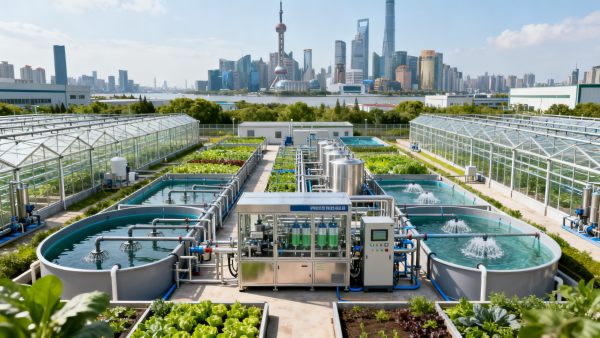
The exact event date was not specified. Shanghai has signaled a new policy direction tied to its ambition to strengthen its position as a global asset management hub, while green agriculture and biotechnology have been highlighted as priority areas for capital attraction. The policy move matters to agricultural technology, equipment trade, licensing, and distribution activities because it identifies specific cross-border investment targets and outlines future facilitation measures for foreign participation.
Image placement plan: Use the image near the opening section to illustrate policy-driven opportunities in agricultural technology investment and cross-border equipment cooperation.
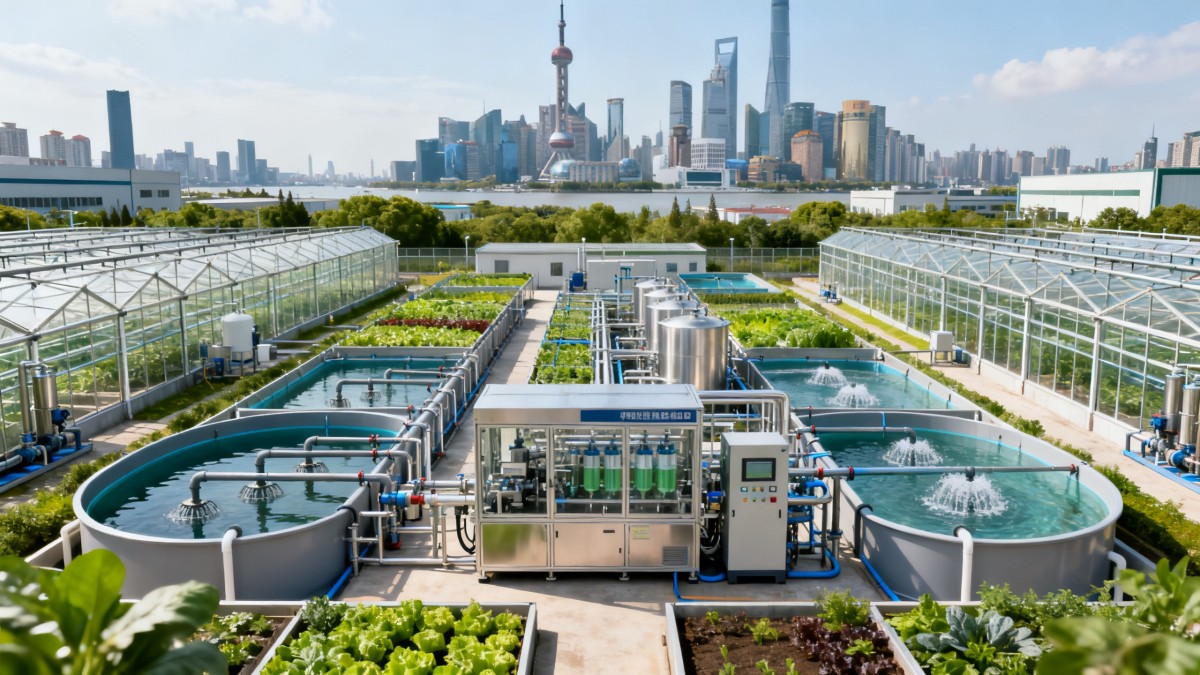
Confirmed Policy Signals and Priority Segments
According to the provided information, a joint deployment linked to the State Council's plan for accelerating agricultural and rural modernization during the next planning period and the Shanghai municipal government has identified Smart Greenhouse, RAS Systems, Aeration & Water Tech, and Bio-Extracts as key areas for cross-border capital support.
The same information states that foreign participation in agricultural technology projects in China may access a green channel and dedicated funds. It also states that, starting in 2026, pilot measures will cover coordinated optimization of cross-border data flows and import tariffs for equipment. For overseas equipment suppliers, technology licensors, and distribution partners, this provides a clearer policy signal and a more visible implementation window.
How Different Market Participants May Be Affected
Trading companies dealing directly in equipment and technology
These businesses may be affected first because the policy direction explicitly names technology categories that can attract cross-border capital support. The impact may appear in market entry planning, partner screening, quotation strategy, and transaction structuring. Companies in this role should pay closer attention to whether their products or solutions align with the named segments and how future pilot arrangements could influence customs, documentation, and data handling requirements.
Raw material and component sourcing companies
Businesses that supply upstream materials, modules, or key parts may also see changes because demand could shift toward systems and inputs used in greenhouse projects, recirculating aquaculture systems, water treatment technologies, and bio-based extraction applications. The main impact may appear in qualification review, technical compatibility checks, and procurement coordination with downstream project developers or system integrators. These companies may need to watch changes in product specifications, traceability expectations, and supplier approval processes.
Processing and manufacturing enterprises
Manufacturers may be influenced through product adaptation, technical documentation, and compliance preparation. If foreign participation expands under a green channel and dedicated funding framework, project owners and buyers may place greater emphasis on equipment readiness, interface standards, maintenance documentation, and proof of operating reliability. Manufacturers should therefore monitor how tender requirements, specification alignment, and import-related conditions evolve under the planned pilot arrangements.
Supply chain and service providers
Logistics firms, customs service providers, after-sales support teams, and channel partners may be affected because future optimization of equipment import tariffs and cross-border data flow arrangements could alter delivery planning and service models. The effect may be visible in shipping schedules, spare-parts allocation, installation support, digital monitoring arrangements, and service response commitments. These providers should watch for changes in document workflows, data transfer expectations, and coordination needs across international and domestic partners.
What Companies Should Prepare for Now
Review compliance pathways for targeted technology categories
Companies involved in Smart Greenhouse, RAS Systems, Aeration & Water Tech, and Bio-Extracts should begin mapping how their products, technologies, or services fit within the newly highlighted support areas. This includes reviewing regulatory positioning, product classification, technical files, and any certification or conformity materials that may be requested during project access or procurement review.
Align equipment, parts, and technical documents early
Because the policy direction points to future optimization around equipment imports, businesses should prepare core equipment lists, parts inventories, lifecycle documents, test records, and technical manuals in advance. Early preparation can help reduce friction if buyers, project partners, or authorities require faster review under a green-channel style arrangement.
Strengthen tender and specification coordination with local partners
For technology licensors, equipment exporters, and distribution partners, specification alignment is likely to become more important. Companies should verify whether local project requirements, tender language, and technical expectations match the capabilities of the offered solutions. This is especially relevant where system integration, operational performance, and water or biological process control are central to project acceptance.
Plan for delivery, service, and traceability obligations
Beyond the initial sale, firms should prepare for after-sales support, maintenance response, spare-parts continuity, and quality traceability. Where foreign participation increases, buyers may expect stronger service commitments and clearer responsibility allocation between manufacturers, licensors, distributors, and local implementation teams.
Industry View: Why This Policy Shift Deserves Attention
From an industry perspective, this development is more appropriately understood as a targeted policy signal rather than a fully detailed operating framework. Analysis shows that naming specific technology segments gives overseas participants a clearer reference point for evaluating entry timing, partnership models, and product localization priorities.
What deserves closer attention is the combination of capital support, green-channel access, and the planned 2026 pilot measures covering data flows and equipment tariff coordination. Observably, this mix can affect not only financing interest but also procurement design, compliance workflows, and supply chain planning. Even so, the practical effect will still depend on how implementation details, review standards, and procurement documents are defined later.
It is also reasonable to view this as a signal that technical capability alone may not be enough. Companies may need stronger readiness in documentation, service systems, qualification management, and cross-border coordination if they want to convert policy visibility into actual project participation.
Measured Outlook for the Sector
This policy direction gives the market a clearer indication that green agriculture and biotechnology are becoming more visible in cross-border capital planning connected to Shanghai's broader development goals. For equipment suppliers, licensors, manufacturers, and service providers, the immediate significance lies in earlier visibility, better targeting, and a more concrete basis for preparation.
At the same time, a rational conclusion is that the full business impact should not be overstated before more detailed implementation rules emerge. Companies that prepare compliance materials, technical alignment, and supply chain support in advance may be better positioned if the announced priorities move into broader project execution.
Source Note and Follow-Up Areas
This article was generated based on the user-provided news title, event time, and event summary. Specific official source links were not provided in the input and should be verified continuously.
For this type of policy development, businesses would usually continue monitoring official planning documents, municipal policy notices, regulatory guidance, procurement updates, and sector implementation announcements. Further observation is still needed regarding detailed policy rules, compliance interpretation, tender document changes, certification expectations, and industry feedback on actual execution.
Related Intelligence
- RAS SystemsSustainable Aquaculture Practices That Cut Feed Waste and Protect Fish Farm Water QualitySustainable aquaculture for fish farms: reduce feed waste, protect water quality, and build resilient, efficient systems with practical strategies.
- RAS SystemsDrum Filter System Price: How Flow Rate, Micron Rating, and Automation Affect CostDrum filter system price depends on flow rate, micron rating, automation, materials, and lifecycle costs. Compare quotes confidently and choose the right system.
- RAS SystemsHow to Specify Large-Scale Fish Farming Equipment for High-Output RAS ProjectsLarge scale fish farming equipment guide for high-output RAS projects—specify tanks, filtration, oxygen, automation, and redundancy for reliable growth.
The Morning Broadsheet
Daily chemical briefings, market shifts, and peer-reviewed summaries delivered to your terminal.
