

The Authority in Global Agricultural Chemistry & Bio-Resources
K Line Orders Four LNG Dual-Fuel Car Carriers
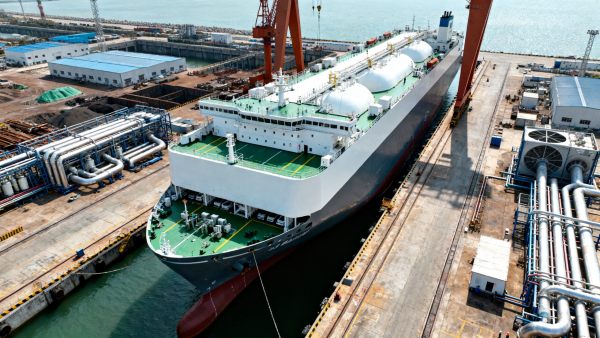
The timing of the event is not explicitly stated in the provided information, but the disclosed deal points to a development worth watching across shipbuilding, marine equipment exports, and onboard systems integration. On June 9, Kawasaki Kisen Kaisha signed a contract with China Merchants Jinling Shipyard (Nanjing) for four LNG dual-fuel car carriers with capacity for 1,380 vehicles each. Beyond the vessel order itself, the case draws attention to the export potential of Chinese solutions in water treatment, cargo hold climate control, and intelligent ventilation, especially for suppliers serving technically integrated ship projects.
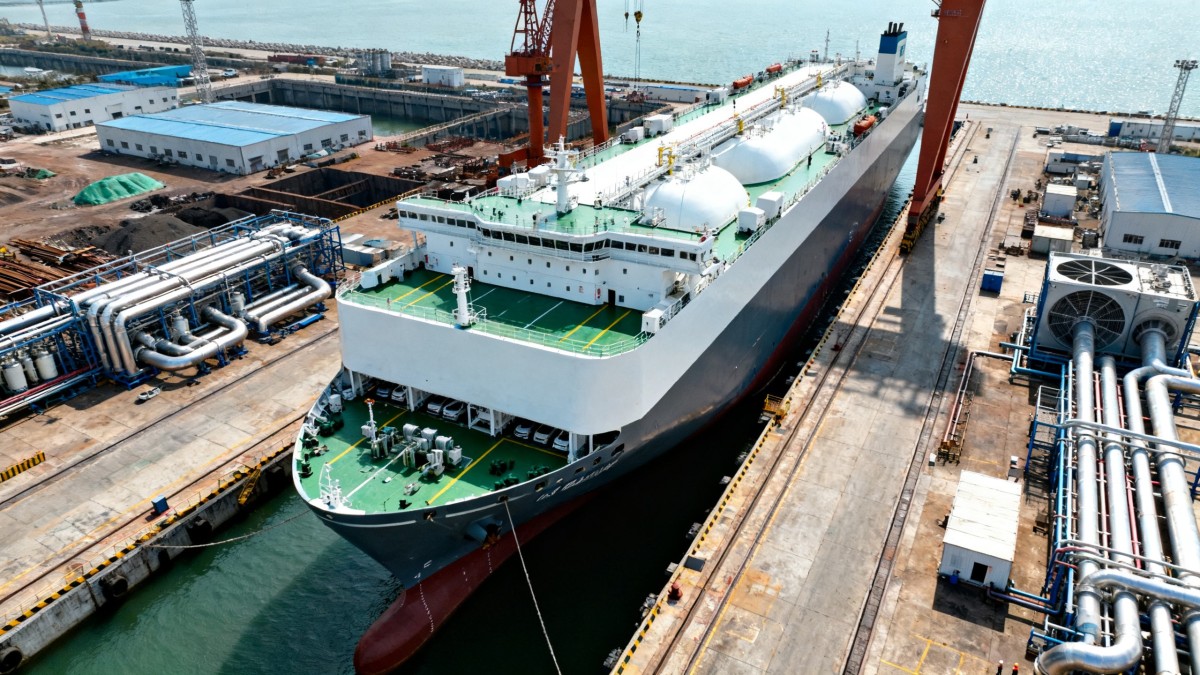
What the signed vessel order confirms
Confirmed information shows that Kawasaki Kisen Kaisha and China Merchants Jinling Shipyard (Nanjing) signed a shipbuilding contract on June 9 for four LNG dual-fuel car carriers. Each vessel is described as having capacity for 1,380 vehicles.
The vessel type is stated to require the integration of highly reliable water treatment, cargo-space environmental control, and intelligent ventilation systems. The same information indicates that this requirement is expected to support the overseas expansion of Chinese technical solutions represented by RAS Systems, Aeration & Water Tech, and Climate Control & Ventilation.
The provided summary further frames this development as a potential new growth point for exports of supporting ship equipment. No further confirmed details on delivery schedule, route deployment, or additional project terms are provided in the input.
Why the impact goes beyond the shipyard contract
Equipment suppliers may face a higher integration threshold
From an industry perspective, suppliers of water treatment, ventilation, and environmental control systems may be affected first because the project highlights system reliability and onboard integration rather than standalone hardware delivery. The impact is likely to be felt in product matching, interface coordination, and delivery preparation. What deserves closer attention is whether suppliers can align documentation, technical communication, and compliance materials with export-oriented ship projects.
Shipbuilders and integrators need tighter coordination across subsystems
For shipbuilders and system integration teams, the relevance lies in the need to coordinate multiple onboard functions within one vessel platform. Analysis shows that when a car carrier requires water treatment, climate control, and intelligent ventilation to work together, the workload is not limited to procurement; it also reaches design coordination, supplier timing, and installation planning.
Export service providers may see demand shift toward technical support
Supply chain and export service providers may also be influenced, because projects of this kind typically place greater weight on technical files, delivery sequencing, and communication efficiency. Observably, the business opportunity is not only in moving equipment abroad, but in supporting the full export process around specialized marine systems.
What companies should monitor now
Watch for clearer follow-up disclosures
Companies linked to marine auxiliary systems should pay attention to whether subsequent official statements provide more detail on technical scope, supplier participation, or implementation requirements. The current information confirms direction, but not the full execution framework.
Prepare for scrutiny on reliability and supporting documents
Because the vessel type is described as requiring highly reliable water treatment and intelligent environmental systems, relevant suppliers should focus on qualification files, product specifications, and delivery-related documentation. Analysis shows that in export projects, readiness on paperwork and technical clarification can matter as much as the equipment itself.
Prioritize coordination in core onboard categories
What deserves closer attention is the set of categories directly referenced in the disclosed summary: water treatment, cargo hold environmental regulation, and intelligent ventilation. For manufacturers and service teams, these are the most immediate areas where inquiry, matching, and coordination efforts may increase.
Separate commercial signal from confirmed execution
Companies should also distinguish between a positive market signal and a fully realized export outcome. The order indicates demand for integrated supporting systems, but it does not by itself confirm broader market replication, additional orders, or finalized long-term procurement patterns.
How this development is best understood at this stage
Analysis shows that this news is meaningful less as a standalone ship order and more as a signal about the kinds of supporting technologies that may travel with new-generation vessel construction. In that sense, it suggests growing visibility for Chinese marine auxiliary solutions in export projects tied to LNG dual-fuel vessels.
At the same time, it is more appropriate to understand this as an early directional signal rather than a completed market shift. The provided information points to export acceleration potential, but the scale, continuity, and commercial conversion still require observation through later project disclosures and actual delivery progress.
A measured takeaway for the market
The immediate significance of this development lies in the way a shipbuilding contract can extend demand into specialized supporting systems, especially where reliability and system coordination are central. For equipment makers, integrators, and export service firms, the news is relevant because it highlights where value may concentrate within the marine supply chain.
Current observation suggests that the development is best read as a practical industry signal with emerging implications, not as a definitive conclusion about market expansion. Continued attention is warranted, particularly around follow-up disclosures, supplier execution, and whether similar vessel projects generate repeat demand for the same categories of Chinese marine equipment.
Basis of this article and points still to verify
This article is based on the user-provided news title, the stated event timing information, and the event summary. The specific official source link was not provided in the input, so further verification remains necessary.
For this type of industry update, commonly relevant source categories may include official company announcements, shipyard statements, industry association information, authoritative media reports, and technical or standards-related documents. What deserves continued attention is whether later public disclosures provide clearer detail on technical requirements, supplier scope, delivery arrangements, and the practical export path for the supporting systems mentioned above.
Related Intelligence
- RAS SystemsAquaculture Filter Installation Costs: Plumbing, Labor, and CommissioningUnderstand aquaculture filter installation cost, from plumbing and labor to commissioning. Compare complete project scopes, uncover hidden expenses, and budget confidently before you buy.
- RAS SystemsSustainable Aquaculture Practices That Cut Feed Waste and Protect Fish Farm Water QualitySustainable aquaculture for fish farms: reduce feed waste, protect water quality, and build resilient, efficient systems with practical strategies.
- RAS SystemsDrum Filter System Price: How Flow Rate, Micron Rating, and Automation Affect CostDrum filter system price depends on flow rate, micron rating, automation, materials, and lifecycle costs. Compare quotes confidently and choose the right system.
The Morning Broadsheet
Daily chemical briefings, market shifts, and peer-reviewed summaries delivered to your terminal.
