

The Authority in Global Agricultural Chemistry & Bio-Resources
Aquaculture Kits for Small Farms: What Components and Tank Sizes to Choose
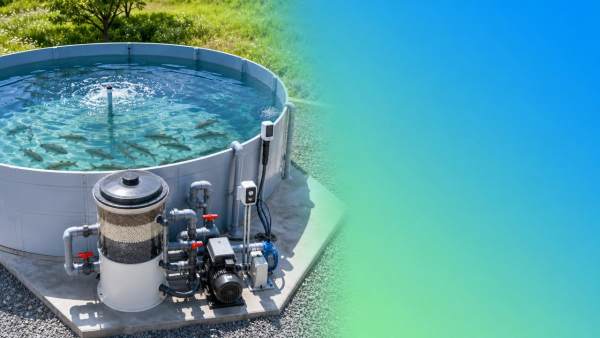
For small-scale fish production, choosing the right aquaculture kits affects capital cost, biosecurity, stocking density, water quality, and long-term operating efficiency.
From tank volume and filtration to aeration, pumps, sensors, and backup systems, every component must match production goals and site limits.
This guide explains practical aquaculture kits, suitable tank sizes, and scenario-based decisions for scalable, compliant, and resilient small farm systems.
Aquaculture Kits for Small Farms: Start With the Production Scenario
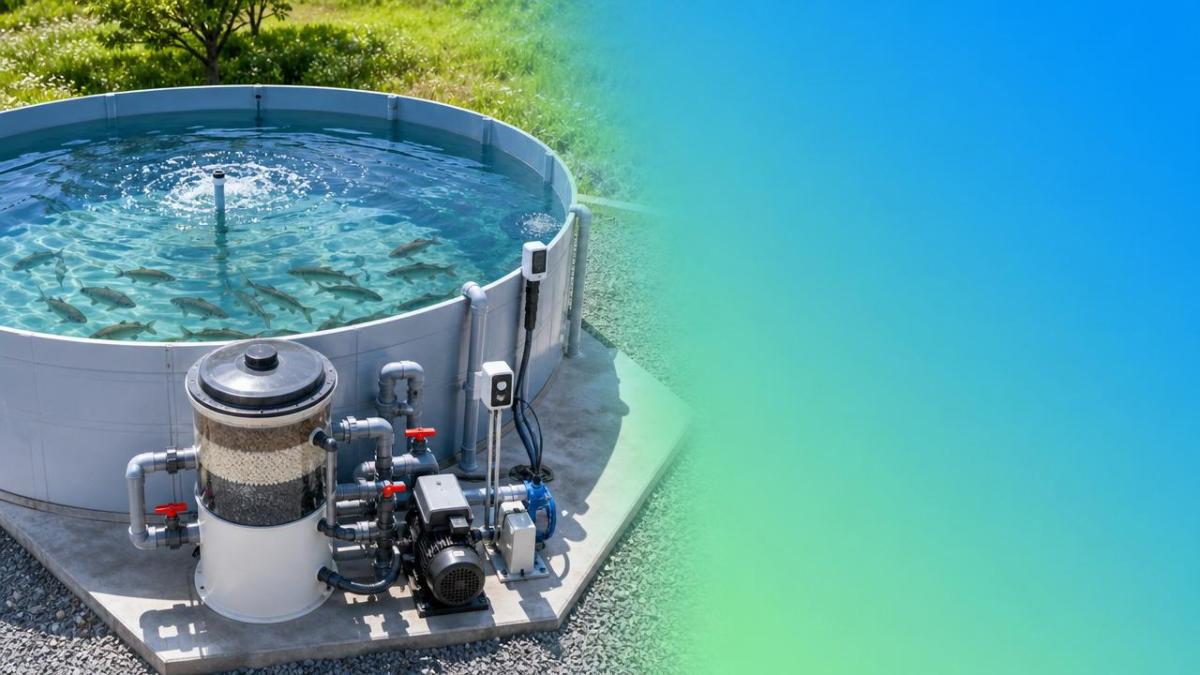
The best aquaculture kits are not chosen by tank size alone. They are chosen by species, density, water source, labor, climate, and harvest cycle.
A tilapia nursery, a trout grow-out unit, and a backyard catfish system may all need different filtration and oxygen capacity.
Small farms often underestimate daily water quality variation. Feed load, temperature, and biomass can shift dissolved oxygen within hours.
Good aquaculture kits create operational control. They stabilize water, reduce mortality risk, simplify records, and make expansion decisions more predictable.
Scenario Background: Why One Kit Does Not Fit Every Small Farm
Small farms may use aquaculture kits for pilot production, supplemental income, seedstock rearing, demonstration projects, or controlled protein supply.
Each scenario changes the required tank volume, filtration margin, stocking strategy, and acceptable level of automation.
A pilot system should collect reliable performance data. A production system should prioritize survival, labor efficiency, and predictable harvest weight.
Site constraints matter as much as biology. Electrical stability, drainage, building height, and water discharge rules shape viable aquaculture kits.
Regulatory expectations also influence design. Recordable water parameters, effluent handling, and chemical use should align with local environmental requirements.
Scenario One: Nursery and Fingerling Rearing
Nursery systems need stable temperature, gentle circulation, fine solids removal, and dependable oxygenation.
For this scenario, aquaculture kits with 200 to 1,000 liter tanks are often practical for early-stage fingerlings.
Round tanks help distribute oxygen evenly and reduce corners where waste and weak fish accumulate.
The filtration system should handle frequent feeding and small particles. Mechanical screening should come before biofiltration.
For delicate species, choose aquaculture kits with adjustable flow. Excess turbulence can stress fry and reduce feeding response.
Scenario Two: Grow-Out Tanks for Market Fish
Grow-out systems require larger tanks, stronger aeration, higher biofilter capacity, and better waste removal.
For small farms, 1,000 to 5,000 liter tanks usually offer a workable balance between biomass and management simplicity.
Aquaculture kits in this range can support staggered stocking, selective grading, and predictable harvest scheduling.
Tank depth should match species behavior. Tilapia tolerate moderate depth, while some bottom-oriented fish benefit from larger floor area.
Biofilter sizing must follow feed rate, not just tank volume. More feed means more ammonia and greater nitrification demand.
Scenario Three: Recirculating Systems With Limited Water Supply
Where water is scarce or discharge is restricted, recirculating aquaculture kits become more suitable than flow-through layouts.
RAS-style kits usually include fish tanks, mechanical filtration, biofilters, pumps, aeration, degassing, and monitoring points.
Small RAS systems can conserve water, but they demand closer monitoring and stronger backup planning.
A pump failure or oxygen interruption can become serious quickly when biomass is high and water exchange is low.
Choose aquaculture kits with accessible plumbing, bypass options, and alarms for dissolved oxygen or power interruption.
Scenario Four: Outdoor Tanks in Variable Weather
Outdoor systems face sun exposure, rainfall, temperature swings, leaves, dust, insects, and runoff risk.
In this scenario, aquaculture kits should include durable tank materials, secure covers, drainage planning, and weather-protected electrical equipment.
Larger tanks buffer temperature better than very small tanks. However, they require stronger aeration and more robust cleaning access.
For hot climates, shade and oxygen reserve are critical. Warm water holds less oxygen and fish metabolism increases.
For cold climates, insulation, greenhouse cover, or heating may be needed before increasing stocking density.
Scenario Five: Education, Demonstration, and Low-Risk Pilots
Demonstration projects need visibility, simple operation, and clear water quality feedback.
Aquaculture kits between 300 and 1,500 liters can show biological principles without creating excessive financial or operational risk.
Transparent data matters here. Basic sensors for temperature, pH, dissolved oxygen, and ammonia support learning and troubleshooting.
Do not oversize the first pilot. A smaller kit can produce better data if feeding and sampling are consistent.
Tank Size Guidance by Farm Objective
These ranges are starting points. Species tolerance, feed input, climate, and harvest target may justify smaller or larger aquaculture kits.
Core Components to Compare Before Buying Aquaculture Kits
A complete kit should support fish health, water stability, safe handling, and simple maintenance.
- Tank: food-safe material, smooth surfaces, drain access, and suitable geometry.
- Pump: adequate flow rate, low energy use, and accessible replacement parts.
- Mechanical filter: removes feed fines, feces, and suspended solids before biofiltration.
- Biofilter: sized for expected feed load and ammonia conversion.
- Aeration: air pump, diffusers, oxygen stones, or supplemental oxygen where needed.
- Monitoring: thermometer, pH meter, dissolved oxygen meter, ammonia testing, and records.
- Backup: generator, battery air pump, spare pump, and emergency water change plan.
Aquaculture kits with undersized filters may look affordable but often shift costs into mortality, labor, and unstable growth.
Demand Differences Across Scenarios
Different scenarios require different margins of safety. The same tank volume can perform very differently under different feed rates.
When comparing aquaculture kits, ask how much feed the system can safely process each day.
This question is often more useful than asking only how many fish the tank can hold.
Scenario Adaptation Recommendations
- Define the harvest objective before selecting tank volume or kit layout.
- Match aquaculture kits to species oxygen demand and temperature preference.
- Size biofiltration around daily feed input, not advertised tank volume.
- Keep first stocking density conservative until water quality trends are proven.
- Choose modular tanks when future expansion is likely.
- Plan drainage, sludge disposal, and cleaning access before installation.
- Include backup aeration even in small aquaculture kits.
A modular approach reduces risk. Additional tanks can be added after feed conversion, mortality, and water quality are understood.
Common Misjudgments When Selecting Aquaculture Kits
Choosing Tank Size Without Feed Calculations
A large tank does not guarantee safe production. Waste load follows feed input and biomass, not only water volume.
Ignoring Oxygen Reserve
Dissolved oxygen can fall rapidly at night, during warm weather, or after heavy feeding.
Reliable aquaculture kits should include aeration capacity above normal demand, plus a backup option.
Treating Filtration as a Secondary Accessory
Filtration is not optional infrastructure. It is the core protection against ammonia stress, gill damage, and disease pressure.
Overlooking Cleaning Labor
A technically strong system can still fail if drains, valves, and filters are difficult to access.
Choose aquaculture kits that make daily inspection and weekly cleaning practical.
Compliance, Biosecurity, and Data Records
Small farms benefit from documented operating procedures, even when regulations are limited.
Records for pH, temperature, dissolved oxygen, ammonia, mortality, feed use, and treatments create traceability.
Biosecurity starts with controlled water sources, equipment sanitation, quarantine tanks, and restricted movement between systems.
Aquaculture kits should allow separation of age groups or species when disease control is important.
Where medicated feed or chemical treatments are used, follow approved labels, withdrawal periods, and environmental discharge rules.
Practical Selection Checklist Before Purchase
- What species and life stage will the system support?
- What daily feed load is expected at peak biomass?
- Is the tank sized for grading, harvesting, and net handling?
- Can the filter be cleaned without disrupting fish?
- Is aeration adequate during heat, power loss, or high biomass?
- Are spare pumps, fittings, and diffusers locally available?
- Can water discharge or sludge be managed responsibly?
This checklist helps compare aquaculture kits beyond brochure specifications and toward real operating conditions.
Next Steps for a Scalable Small Farm System
Start with the production scenario, then calculate feed load, tank volume, filtration capacity, oxygen demand, and backup requirements.
Shortlist aquaculture kits that provide clear specifications, component ratings, maintenance guidance, and realistic stocking assumptions.
Before installation, prepare drainage, electrical protection, quarantine procedures, water testing routines, and emergency response steps.
The right aquaculture kits should make small farm production safer, easier to monitor, and ready for controlled expansion.
A disciplined scenario-based selection process reduces design risk and supports healthier fish, steadier harvests, and better long-term returns.
Related Intelligence
- RAS SystemsSustainable Aquaculture Practices That Cut Feed Waste and Protect Fish Farm Water QualitySustainable aquaculture for fish farms: reduce feed waste, protect water quality, and build resilient, efficient systems with practical strategies.
- RAS SystemsDrum Filter System Price: How Flow Rate, Micron Rating, and Automation Affect CostDrum filter system price depends on flow rate, micron rating, automation, materials, and lifecycle costs. Compare quotes confidently and choose the right system.
- RAS SystemsHow to Specify Large-Scale Fish Farming Equipment for High-Output RAS ProjectsLarge scale fish farming equipment guide for high-output RAS projects—specify tanks, filtration, oxygen, automation, and redundancy for reliable growth.
The Morning Broadsheet
Daily chemical briefings, market shifts, and peer-reviewed summaries delivered to your terminal.
