

The Authority in Global Agricultural Chemistry & Bio-Resources
ATEX 2026 Moves to November as RAS Demand Surges
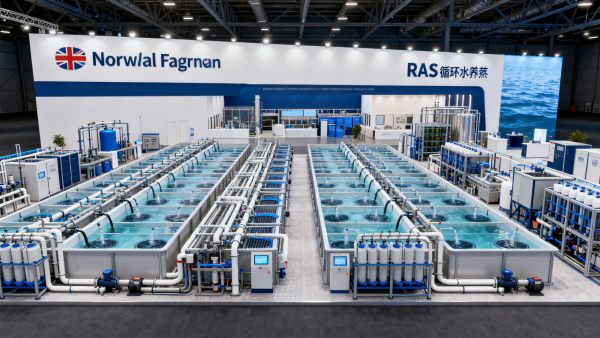
The timing of this development was not specified in the available information, but the official rescheduling of Aquaculture Tech Expo (ATEX 2026) from its original September slot to November 12–14 in Bergen is more than a calendar update. From an industry perspective, it signals mounting execution pressure around exhibition access, procurement visibility, supplier screening, and delivery coordination as global deployment of RAS Systems accelerates. This matters in particular for system integrators, core equipment suppliers, buyers, and service providers that rely on trade events as part of technical alignment, compliance review, and cross-border commercial preparation.
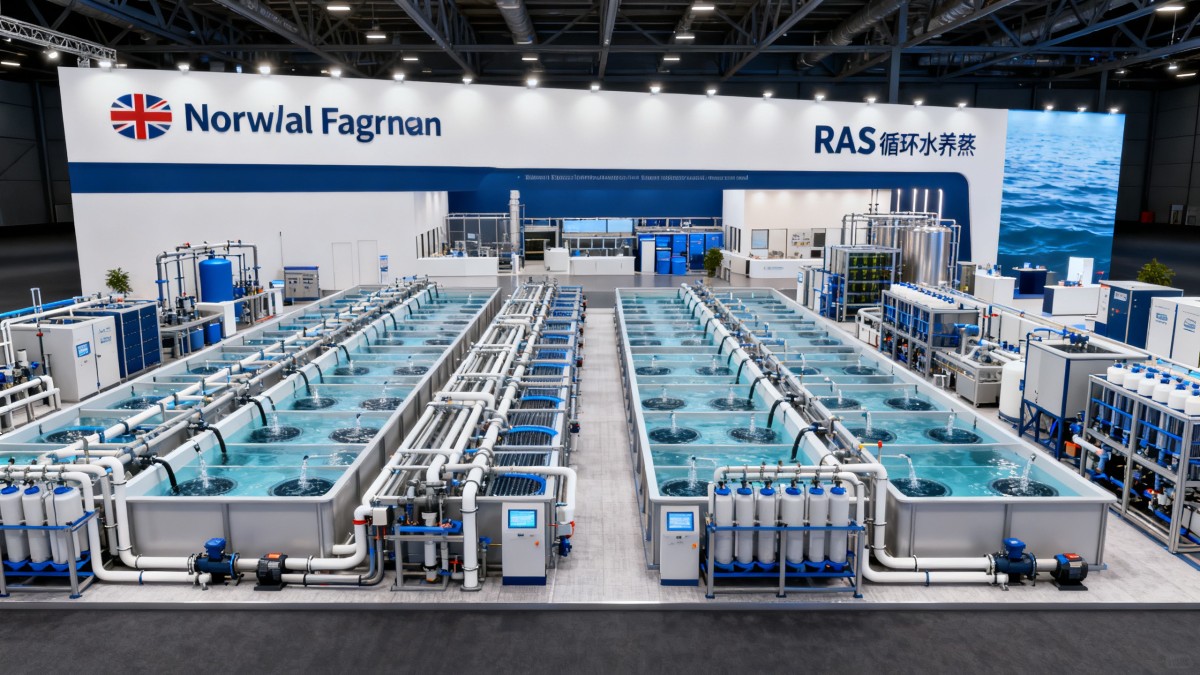
A schedule change driven by capacity pressure
According to the provided information, ATEX 2026, originally planned for September 2026 in Bergen, Norway, has officially been postponed to November 12–14.
The organizer stated that exhibitor registrations rose 112% year on year, driven by faster global deployment of RAS Systems.
The same information indicates that Chinese RAS system integrators and core equipment suppliers accounted for 37% of exhibitors, including suppliers of Climate Control & Ventilation and Feeding & Watering Systems.
It was also stated that booth reservations had exceeded available capacity.
Where the practical pressure now appears
For system integrators and core equipment suppliers
Analysis shows that the postponement, combined with oversubscribed booth demand, may affect how suppliers sequence technical presentations, customer meetings, and specification alignment. What deserves closer attention is whether participation materials, product documentation, and technical claims are ready for more concentrated buyer scrutiny when exhibition capacity is tight.
For buyers and project procurement teams
From an industry perspective, buyers may face a more compressed window for supplier comparison and shortlist building around the new November dates. The practical impact is likely to fall on procurement scheduling, bid preparation, document review, and coordination of technical meetings with RAS-related vendors.
For cross-border trade and supply-chain service providers
Observably, the stronger presence of Chinese exhibitors points to heavier operational demand in trade support functions tied to exhibition participation and follow-up transactions. Logistics coordinators, documentation teams, and after-sales support providers should pay closer attention to schedule changes, delivery commitments, and any customer requirements linked to product files, certifications, or qualification records.
What companies should monitor before the event window resets
Check whether compliance materials are presentation-ready
Analysis shows that companies planning to exhibit or source through the event should review the completeness and consistency of technical files, certification records, product descriptions, and supporting documents. The available information does not define new compliance rules, but tighter competition for visibility usually increases the importance of document accuracy and claim consistency.
Watch for changes in official wording and execution practice
It is more appropriate to understand this development as an execution signal rather than a fully defined rule change. Companies should therefore monitor whether the organizer issues further clarifications affecting exhibitor arrangements, access rules, scheduling procedures, or participation requirements.
Reassess procurement and delivery timing
For companies using the exhibition cycle to support sourcing or business development, the move from September to November may require adjustments to internal procurement milestones, customer engagement plans, and follow-up delivery expectations. The provided information does not confirm downstream execution outcomes, so these changes should be treated as planning considerations rather than established consequences.
Pay attention to supplier qualification depth
With Chinese RAS integrators and core equipment suppliers representing a notable share of exhibitors, buyers and partners may need to place greater emphasis on qualification review, technical comparability, and service follow-through. Observably, this is especially relevant where product selection depends on documentation, traceability, or post-sale support capability.
Why this looks more like a market-access signal
From an industry perspective, this update is less about a formal regulatory announcement and more about a live signal of how market access pressure is building around RAS-related technologies. Analysis shows that the combination of postponed dates, excess booth demand, and concentration of specialized suppliers suggests growing competition in the channels where technical standards, purchasing decisions, and supplier credibility are tested.
At the same time, it would be premature to describe this as a settled change in trade rules or compliance requirements. What deserves closer attention is whether later market practice, organizer guidance, procurement documents, or certification expectations begin to reflect the same tightening seen in exhibition participation.
How this update is best understood now
The current information supports a cautious reading. The postponement of ATEX 2026 to November, alongside a sharp rise in RAS-related exhibitor demand, points to stronger commercial and operational intensity across the aquaculture technology supply chain. It is more appropriate to understand this as a practical execution signal with possible implications for procurement, supplier screening, documentation readiness, and delivery coordination, rather than as proof that a new formal rule framework has already been put in place.
Basis of this article and what still needs verification
This article is based on the user-provided news title, event timing note, and event summary. For developments of this kind, relevant source categories typically include official event announcements, regulator publications, customs or trade authority information, industry association updates, standards organization documents, and reporting by established trade media.
No specific official source link was provided in the input, so the underlying announcement and any later clarifications still need to be continuously verified. What remains worth tracking includes any updated organizer guidance, certification interpretation, tender document changes, market feedback, and how participating companies adjust execution in practice.
Related Intelligence
- RAS SystemsHow to Select an Ammonia Water Quality Sensor for Aquaculture SystemsAmmonia water quality sensor selection guide for aquaculture: compare technologies, accuracy, salinity compatibility, maintenance, and integration for reliable monitoring.
- RAS SystemsDo UV water treatment systems eliminate chlorine-resistant pathogens in aquaculture recirculation?UV water treatment systems can inactivate chlorine-resistant pathogens like Cryptosporidium in aquaculture RAS—when properly engineered, validated, and maintained.
- RAS SystemsSelecting Pure Oxygen Systems for High-Density Aquaculture and RAS OperationsPure oxygen systems aquaculture buyers can compare for high-density RAS: optimize DO stability, transfer efficiency, controls, redundancy, and fish welfare.
The Morning Broadsheet
Daily chemical briefings, market shifts, and peer-reviewed summaries delivered to your terminal.
