

The Authority in Global Agricultural Chemistry & Bio-Resources
Southeast Asia RAS Orders Surge 300%, Lead Times Stretch to 18 Weeks
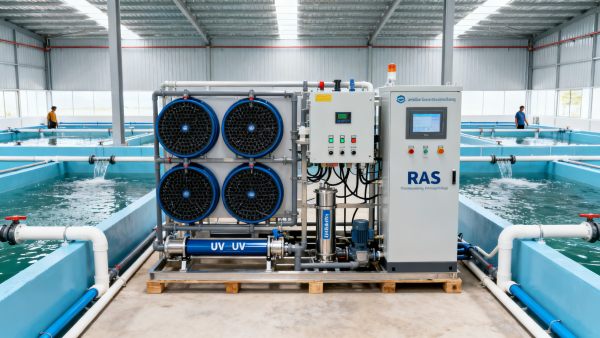
The timing of the event was not specified in the input, but the disclosed update is already significant for aquaculture project buyers, equipment manufacturers, and supply-chain teams tracking recirculating aquaculture system (RAS) deployment in Southeast Asia. A reported 300% year-on-year jump in procurement demand for RAS projects in 2026 Q2, combined with longer delivery times for key Aeration & Water Tech modules, points to immediate pressure on project scheduling, supplier selection, and fulfillment planning.
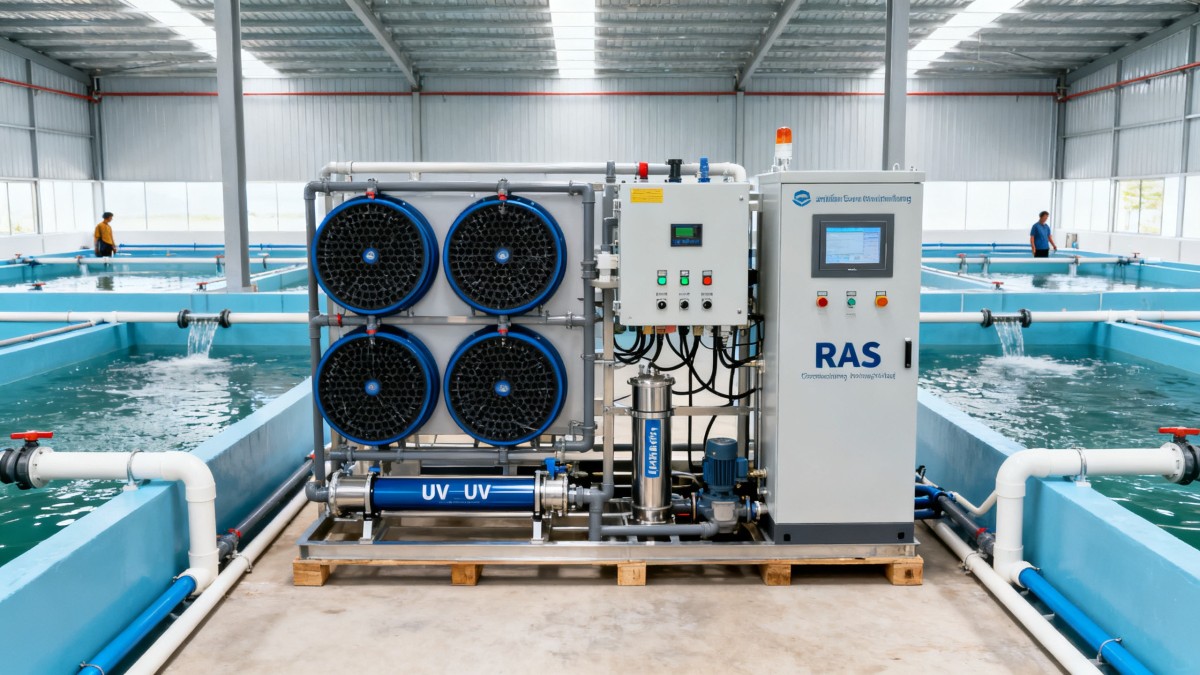
What the reported change confirms
According to a joint briefing cited from the Thailand Aquaculture Association (TAA) and Vietnam’s fisheries authority, procurement demand for RAS projects in Southeast Asia rose 300% year on year in 2026 Q2.
The order increase was concentrated in core Aeration & Water Tech modules, including microporous aeration discs, intelligent dissolved oxygen controllers, and UV disinfection units.
As a result, the average delivery cycle among major Chinese manufacturers reportedly extended from 8 weeks to 16–18 weeks. The same briefing also indicated that some production scheduling has shifted toward prioritizing customers with local certification.
Where the pressure is likely to be felt first
Project procurement and system buyers
From an industry perspective, buyers of RAS projects may face the most direct impact because these modules sit close to core system functionality. Longer lead times can affect procurement sequencing, installation windows, and internal approval timing. What deserves closer attention is whether purchasing plans still assume the earlier 8-week supply rhythm.
Equipment manufacturers and assemblers
Manufacturing and integration teams are likely to feel pressure in delivery coordination rather than demand visibility alone. If aeration, oxygen control, and UV modules are delayed, broader equipment packages may also face handover risks even when other components are available. Observably, certification-related scheduling now becomes a practical commercial factor, not just a compliance detail.
Supply-chain and delivery service providers
For logistics, sourcing, and fulfillment service providers, the main issue is not simply higher volume but tighter prioritization. If suppliers are allocating capacity toward locally certified customers, non-priority orders may require earlier booking, clearer documentation, and more active milestone tracking.
Channel partners and after-sales operators
Distributors and service partners may need to pay closer attention to customer expectations management. When delivery windows double, communication around commissioning, replacement schedules, and installation readiness becomes more important than routine order confirmation.
What companies should monitor now
Check whether certification status affects access to capacity
The reported prioritization of locally certified customers suggests that qualification and documentation may now influence production scheduling. Companies involved in cross-border procurement should closely review whether their supplier engagement includes the certifications or local compliance materials that affect order priority.
Reassess timelines for critical module procurement
Microporous aeration discs, intelligent dissolved oxygen controllers, and UV disinfection units were specifically identified in the order surge. Companies should focus on these categories first when reviewing project timelines, buffer periods, and contract delivery commitments.
Separate confirmed supply facts from forward assumptions
Analysis shows that the disclosed information confirms longer lead times and prioritization behavior, but it does not yet confirm how long this pattern will last. Businesses should avoid treating the current delivery window as either a one-off disruption or a permanent new baseline without continued verification.
Strengthen customer and supplier communication early
Where contracts, quotations, or installation plans were built around shorter lead times, early communication becomes essential. The practical focus should be on order sequencing, documentation readiness, and contingency planning for delayed module arrival.
Why this matters beyond a single order spike
Observably, this update is not only about a rise in demand. It also highlights how quickly procurement pressure can move into allocation rules and delivery management when demand concentrates on a narrow set of core modules. Analysis shows that the key signal here is supply tightness in critical subsystems rather than a generalized shortage across all RAS equipment.
It is more appropriate to understand this as a live industry signal that deserves continued tracking, rather than as a fully settled market outcome. The facts indicate immediate strain in procurement and fulfillment, but the longer-term meaning will depend on whether elevated order concentration and certification-based prioritization continue beyond the reported period.
How this update is best understood for now
At this stage, the reported surge in Southeast Asia RAS procurement demand suggests a short-term operational challenge with possible longer-term implications. The most defensible reading is that project execution risk has increased around several core Aeration & Water Tech modules, while broader conclusions about market direction still require further confirmation. For industry participants, the main takeaway is to treat delivery timing, certification status, and supplier communication as immediate business variables rather than background details.
Basis of this article and what still needs verification
This article is based on the user-provided news title, event timing note, and event summary. The specific official source link was not provided in the input, so further verification remains necessary. For this type of industry update, relevant source categories typically include official statements, industry association releases, company announcements, authoritative media reporting, and standard-setting or regulatory documents.
What still merits follow-up is whether subsequent official wording, supplier notices, or market disclosures confirm changes in lead times, certification-related scheduling, or procurement intensity beyond the reported 2026 Q2 period.
Related Intelligence
- Aeration & Water TechWhat RO water treatment systems deliver consistent 98% salt rejection at 25°C with feed TDS over 3,000 ppm?RO water treatment systems that deliver proven 98% salt rejection at 25°C with >3,000 ppm TDS—engineered for API synthesis, aquaculture & grain processing.
- Aeration & Water TechCan pond aeration systems maintain dissolved oxygen above 5 mg/L during summer stratification in catfish ponds?Pond aeration systems can sustain >5 mg/L DO during summer stratification—when engineered for mixing *and* oxygen transfer. See field-proven data & design essentials.
- Aeration & Water TechHow to Choose Alarm Water Monitoring Systems for Critical Water FacilitiesAlarm water monitoring systems: learn how to select reliable sensors, alarms, communications, and workflows to protect critical water facilities and prevent costly failures.
The Morning Broadsheet
Daily chemical briefings, market shifts, and peer-reviewed summaries delivered to your terminal.
