

The Authority in Global Agricultural Chemistry & Bio-Resources
Water Quality Control in Aquaculture: Key Parameters, Monitoring Methods, and System Choices
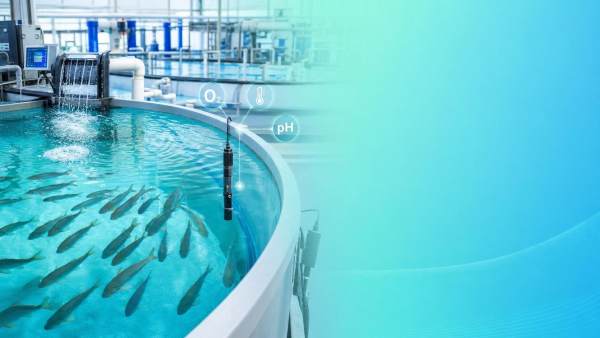
Water Quality Control in Aquaculture: Why It Defines System Performance
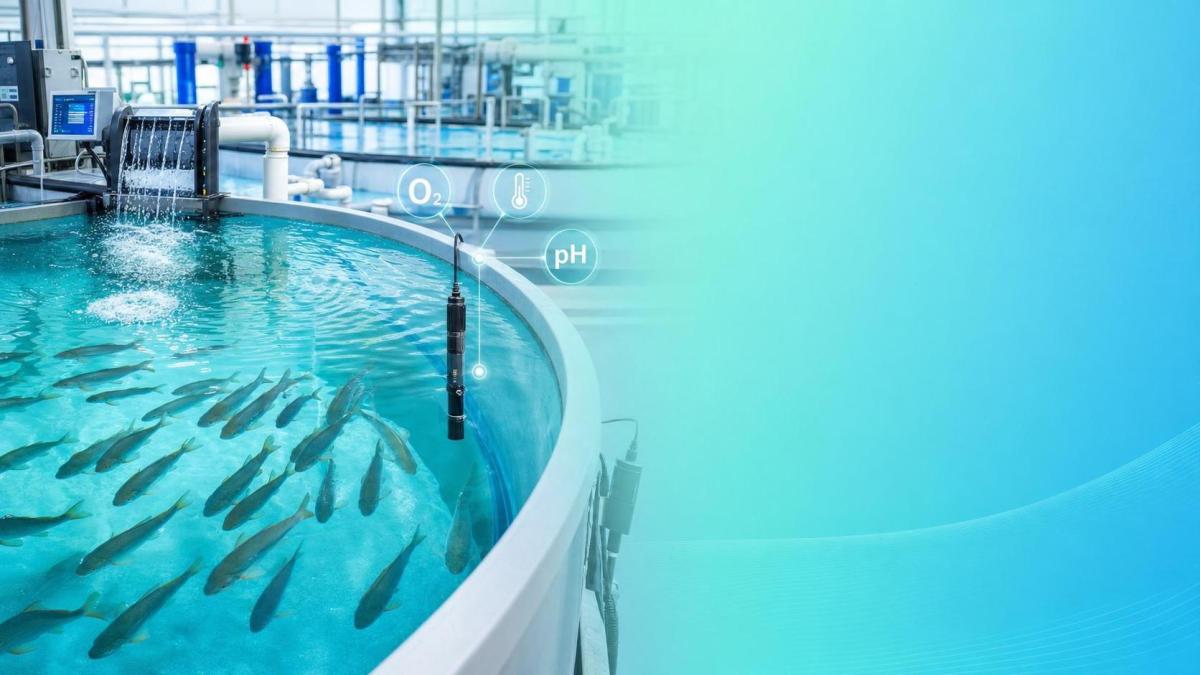
Effective water quality control is not a support task in aquaculture. It is the operating core that shapes survival, growth rate, feed conversion, and compliance outcomes.
In practical terms, weak control usually appears first as small instability. Then it becomes disease pressure, stress, oxygen loss, off-flavor risk, or wasted feed.
For teams evaluating aquaculture technology, water quality control is also a system selection issue. The right monitoring design must match stocking density, species sensitivity, discharge rules, and labor capacity.
That matters more now because production models are getting tighter. Higher density systems leave less room for delayed decisions or poor sensor coverage.
A solid water quality control aquaculture technology strategy links three things: the right parameters, the right monitoring cadence, and the right production system.
Key Water Quality Parameters That Drive Aquaculture Results
Not every metric carries the same operational weight. Some parameters move fast and need constant attention. Others show longer-term system imbalance.
Dissolved Oxygen
Dissolved oxygen is usually the first control point in intensive production. Fish and shrimp performance drops quickly when oxygen falls below species-specific thresholds.
Low oxygen also reduces feeding response and raises stress. In dense systems, aeration and backup power are part of water quality control, not optional extras.
Temperature
Temperature controls metabolism, appetite, oxygen demand, and immune resilience. Even when values stay inside a safe band, rapid swings can trigger losses.
This also means water quality control aquaculture technology should track trend direction, not just single readings. Stability often matters as much as the absolute number.
pH and Alkalinity
pH affects physiological stress and chemical toxicity. Alkalinity supports buffering capacity, helping the system resist sudden pH shifts.
When alkalinity is weak, biological filtration becomes less stable. That can quietly undermine a well-designed tank or pond operation.
Ammonia, Nitrite, and Nitrate
Nitrogen compounds are central to water quality control aquaculture technology. Total ammonia nitrogen and unionized ammonia are especially important in intensive systems.
Nitrite interferes with oxygen transport and can become critical before operators notice obvious behavioral changes. Nitrate is less acutely toxic, but still signals loading pressure.
Carbon Dioxide, Salinity, and Solids
High carbon dioxide reduces respiration efficiency, especially in closed systems. Salinity must remain controlled for species health and osmotic balance.
Suspended solids and organic load affect gill health, biofilter performance, and pathogen risk. In recirculating facilities, solids management is a direct water quality issue.
Monitoring Methods: From Manual Testing to Integrated Control
Monitoring methods should reflect system complexity. A low-density pond does not need the same instrumentation approach as a high-value recirculating aquaculture system.
Manual Spot Testing
Manual kits and handheld meters remain useful for verification. They are cost-effective for alkalinity, ammonia, nitrite, and calibration checks.
The limitation is timing. Spot checks can miss short oxygen drops, feeding-related pH shifts, or early filter stress.
Continuous Sensors
Continuous sensing is increasingly standard in advanced water quality control aquaculture technology. It provides real-time visibility and faster response windows.
Common online measurements include dissolved oxygen, temperature, pH, salinity, and oxidation-reduction potential. In some systems, carbon dioxide monitoring is also justified.
Data Logging and Alarm Logic
Raw data alone does not improve control. What matters is alarm design, trend analysis, and clear escalation rules.
A strong setup records historical patterns, flags drift, and separates warning thresholds from shutdown thresholds. That helps operators act before losses begin.
Calibration and Sensor Maintenance
Even premium sensors fail if maintenance discipline is weak. Fouling, biofilm, and calibration drift can create false confidence.
In technical evaluations, maintenance burden should be scored alongside sensor accuracy. Reliable water quality control depends on the whole operating routine.
System Choices and Their Water Quality Control Demands
Different production systems create very different control challenges. The best aquaculture technology choice depends on risk tolerance, species, water access, and compliance pressure.
Pond Systems
Ponds are often simpler and less capital-intensive. However, they are more exposed to weather, algal shifts, seasonal oxygen variation, and inflow quality changes.
Water quality control in ponds often relies on aeration strategy, sludge management, and disciplined sampling across multiple depths and times.
Flow-Through Systems
Flow-through farms can reduce metabolite buildup when intake water is stable. But they remain vulnerable to source contamination, temperature shifts, and discharge restrictions.
This makes upstream source monitoring as important as in-tank monitoring. Good incoming water does not remove the need for internal control.
Recirculating Aquaculture Systems
RAS offers the highest degree of control and biosecurity potential. It also places the greatest technical burden on monitoring, filtration balance, and failure response.
For water quality control aquaculture technology, RAS evaluation should cover biofilter sizing, degassing, oxygen redundancy, solids capture, and automation logic.
Cage and Open-Water Systems
Open-water systems depend heavily on site conditions. Current speed, dissolved oxygen profile, temperature layering, and external pollution become major decision factors.
In these models, water quality control is partly operational and partly geographic. Site selection may matter more than downstream equipment upgrades.
How to Evaluate Water Quality Control Aquaculture Technology
A technical review should move beyond brochure claims. The useful question is whether the system can maintain stable water quality under real production stress.
- Check which parameters are measured continuously and which rely on manual testing.
- Review alarm delays, redundancy, and backup power design.
- Assess calibration frequency, consumables, and sensor replacement cycles.
- Confirm performance under peak biomass, maximum feeding, and warm-season conditions.
- Examine how the system supports EPA, FDA, local discharge, and traceability requirements where relevant.
- Measure operating simplicity, because complex control without disciplined execution often fails in daily use.
More clearly now, buyers are comparing not only production output, but also data quality. Audit-ready monitoring has become part of long-term value.
Practical Priorities for Better Long-Term Control
Strong water quality control starts with matching technology to biological and operational reality. Oversized ambition with undersized monitoring usually creates expensive instability.
A practical path is straightforward. Define species limits, map peak loading, choose monitoring depth, and verify emergency response before scaling output.
For modern aquaculture technology, the strongest systems are not always the most complex. They are the ones that keep water quality control stable, visible, and actionable every day.
That is the real decision standard. When parameters, monitoring methods, and system design align, aquaculture water management becomes more predictable, compliant, and commercially resilient.
Related Intelligence
- Aeration & Water TechHow Water Treatment Research Guides Technology Selection for Industrial Wastewater ProjectsWater treatment research guides smarter industrial wastewater technology selection. Learn how to assess variable streams, pilot risks, compare process trains, and reduce compliance costs.
- Aeration & Water TechSelecting Solids Filtration for Aquaculture: Flow Rates, Loading, and Fish WelfareSolids filtration aquaculture guide: compare flow rates, peak loading, capture performance, maintenance, and fish welfare to choose a reliable system.
- Aeration & Water TechWhat RO water treatment systems deliver consistent 98% salt rejection at 25°C with feed TDS over 3,000 ppm?RO water treatment systems that deliver proven 98% salt rejection at 25°C with >3,000 ppm TDS—engineered for API synthesis, aquaculture & grain processing.
The Morning Broadsheet
Daily chemical briefings, market shifts, and peer-reviewed summaries delivered to your terminal.
