

The Authority in Global Agricultural Chemistry & Bio-Resources
EU REACH Draft Tightens Rules on Three Water Treatment Actives
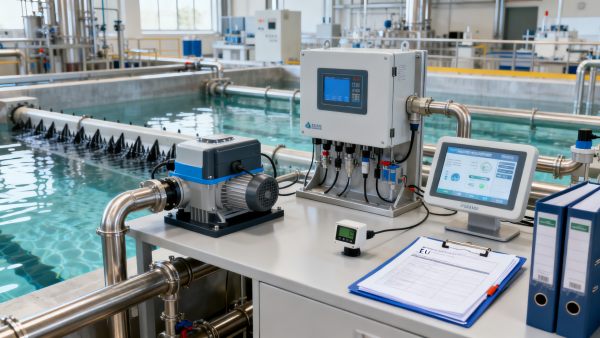
On July 8, 2026, ECHA released draft amendment ECHA-PR-2026-07-001 that would place silver nitrate, calcium hypochlorite compounds, and a new quaternary ammonium polymer on the authorization restriction list for active substances used in water treatment. For exporters of aeration equipment, disinfection modules, and smart water quality control systems, the immediate issue is not only substance control itself, but the requirement that products containing these actives must carry updated REACH dossiers and stated use declarations from October 1, 2026. This is particularly relevant for Chinese suppliers of aquaculture oxygenation machines, recirculating disinfection units, and algae-control modules for smart irrigation entering the EU market.
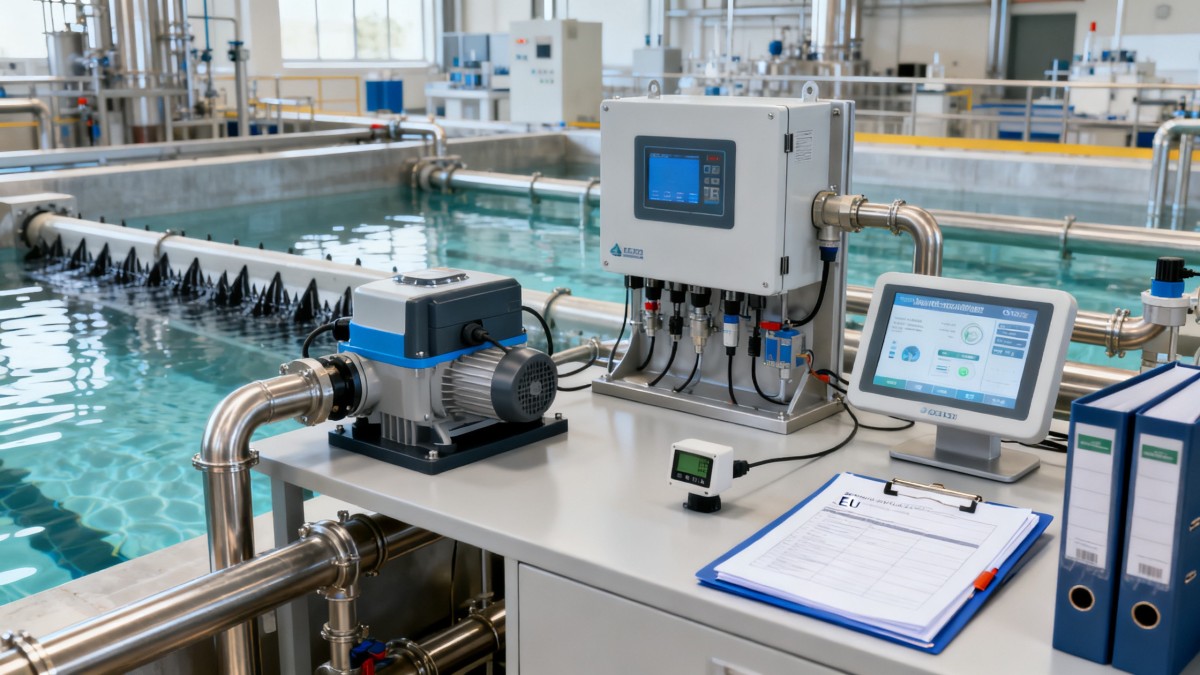
What the Draft Actually Changes
According to the provided information, ECHA issued the draft amendment on July 8, 2026 under reference ECHA-PR-2026-07-001. The draft adds three active substances used in water treatment to an authorization restriction list: silver nitrate, calcium hypochlorite compounds, and a new quaternary ammonium polymer.
The same draft requires all aeration equipment, disinfection modules, and smart water quality regulation systems containing these substances to submit updated REACH dossiers and include a use declaration starting on October 1, 2026.
The adjustment is described as directly affecting the EU export compliance route for China-made aquaculture aerators, recirculating water disinfection units, and smart irrigation algae-control modules.
Where the Pressure Will Appear Across the Supply Chain
Export-facing equipment suppliers will face a documentation deadline
From an industry perspective, manufacturers and trading companies shipping affected equipment to the EU are likely to feel the impact first because the draft links market access to dossier updates and use statements. The operational pressure may appear in product classification, technical document review, and shipment readiness for models that contain any of the listed active substances.
Component and formulation sourcing will come under closer review
Analysis shows that procurement teams and upstream suppliers may be affected where the listed substances are embedded in disinfection functions or water treatment control modules. The main issue is whether existing material and product documentation is sufficient to support updated REACH filings and intended-use declarations for downstream export products.
Distributors and delivery coordinators may need to reassess transaction timing
For channel partners and supply chain service providers, the practical risk may sit in order execution and cross-border delivery schedules. What deserves closer attention is whether products planned for EU delivery after October 1, 2026 can be supported by revised dossiers and compliant product use descriptions, especially where contract fulfillment depends on already-approved technical files.
EU-side buyers may tighten compliance review before procurement
Observably, importers, project buyers, and application-side purchasers in aquaculture, recirculating water treatment, and smart irrigation may increase scrutiny of compliance materials before placing orders. The likely concern is not only whether a device performs its treatment function, but whether the compliance path for the active substance inside the system remains clear under the revised draft framework.
What Companies Should Watch Now
Identify whether listed actives are present in current export models
The first practical priority is product mapping. Companies involved in aeration systems, disinfection units, and smart water quality control equipment should check whether silver nitrate, calcium hypochlorite compounds, or the referenced quaternary ammonium polymer are present in the products or modules they sell into Europe.
Separate substance facts from finished-product claims
Analysis shows that one key compliance task will be distinguishing between the presence of a listed active substance and how the finished equipment is described, documented, and declared for use. This matters because the provided information specifically mentions both updated dossiers and use declarations, which suggests that technical substance treatment and product-level statements must be aligned.
Prepare supplier files and customer-facing documents in parallel
What deserves closer attention is the document chain. Businesses may need to review supplier qualifications, technical supporting materials, product statements, and transaction documents at the same time rather than treating REACH filing as a standalone regulatory task. For export operations, delays often emerge where upstream material details and downstream customer declarations are not synchronized.
Continue tracking whether the draft wording changes before implementation
Because the information provided describes a draft amendment, companies should treat the current text as an active compliance signal while continuing to monitor official wording, scope interpretation, and any clarifications related to affected product categories before the October 1, 2026 requirement date.
Why This Looks Like More Than a Routine Update
As an editorial observation, this development is better understood as a near-term compliance change with longer-term regulatory signaling behind it. The immediate issue is concrete: affected products containing the listed active substances are expected to require updated REACH dossiers and use declarations from October 1, 2026. At the same time, the draft also signals that water treatment functions embedded inside equipment may attract closer regulatory attention, not just standalone chemical products.
Observably, the market does not yet have a confirmed final outcome in the information provided here, so it would be premature to describe the measure as fully settled. Even so, for companies already exporting to the EU, waiting for final commercial friction to appear before reviewing product files would carry obvious risk.
How the Market May Need to Read This Update
The industry significance of this draft lies in how it connects substance restrictions with equipment exports and compliance documentation. For affected businesses, this is not simply a regulatory headline about chemicals; it has potential implications for dossier readiness, product declarations, shipment timing, and buyer communication.
It is more appropriate to understand this as an actionable compliance development that still requires continued observation. The short-term task is document and product review, while the broader question is how future EU treatment of active substances in water-related equipment may continue to evolve.
Basis of This Article
This article is based on the user-provided news title, event date, and event summary concerning the July 8, 2026 ECHA draft amendment ECHA-PR-2026-07-001 and its stated impact on exports of affected water treatment equipment.
For this type of industry update, relevant source categories usually include official notices, company disclosures, industry association releases, authoritative media reports, and standards or regulatory documents. No specific official source link was provided in the input, so the exact source document path still requires ongoing verification. The main follow-up points to watch are any official clarification of scope, wording changes in the draft, and further detail on how the requirement applies to affected export product categories.
Related Intelligence
- Aeration & Water TechHow Water Treatment Research Guides Technology Selection for Industrial Wastewater ProjectsWater treatment research guides smarter industrial wastewater technology selection. Learn how to assess variable streams, pilot risks, compare process trains, and reduce compliance costs.
- Aeration & Water TechSelecting Solids Filtration for Aquaculture: Flow Rates, Loading, and Fish WelfareSolids filtration aquaculture guide: compare flow rates, peak loading, capture performance, maintenance, and fish welfare to choose a reliable system.
- Aeration & Water TechWhat RO water treatment systems deliver consistent 98% salt rejection at 25°C with feed TDS over 3,000 ppm?RO water treatment systems that deliver proven 98% salt rejection at 25°C with >3,000 ppm TDS—engineered for API synthesis, aquaculture & grain processing.
The Morning Broadsheet
Daily chemical briefings, market shifts, and peer-reviewed summaries delivered to your terminal.
