

The Authority in Global Agricultural Chemistry & Bio-Resources
EU Sets EN 17438:2026 Rule for Imported RAS Systems
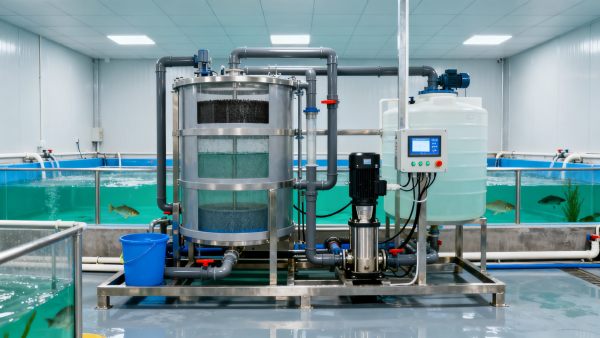
On July 30, 2026, the European Commission issued Commission Regulation (EU) 2026/1482, introducing a new market-entry requirement for recirculating aquaculture systems (RAS Systems) shipped into the EU. From October 1, 2026, imported systems must comply with EN 17438:2026, a standard tied to aquatic biosecurity requirements including pathogen blocking, real-time water quality monitoring, and bio-isolation verification. For exporters, equipment manufacturers, buyers, and compliance teams, this is worth close attention because it changes the conditions for customs clearance and directly affects certification preparation and delivery timing.
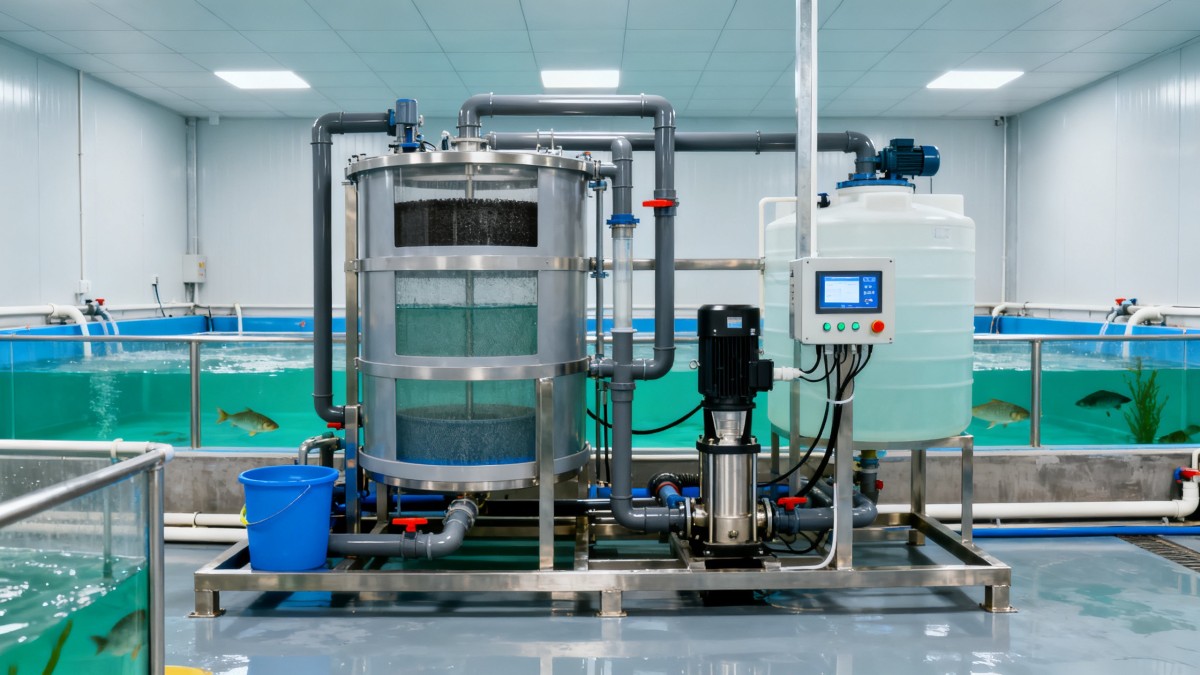
What the new EU requirement formally changes
The confirmed change is straightforward. The European Commission released Commission Regulation (EU) 2026/1482 on July 30, 2026. The regulation makes EN 17438:2026 compliance mandatory for all RAS Systems entering the EU market starting on October 1, 2026.
According to the provided event summary, the new standard covers 12 technical indicators. The confirmed examples include pathogen blocking, real-time water quality monitoring, and bio-isolation verification. The same summary also states that products without the required certification will be refused customs clearance.
The information provided further indicates a direct impact on the export compliance route and delivery cycle of Chinese RAS equipment manufacturers. No additional execution details, transition arrangements, or exceptions were provided in the input.
Where the pressure is likely to appear across the trade chain
Export-oriented RAS manufacturers face a narrower compliance path
From an industry perspective, manufacturers supplying RAS equipment to the EU are the first group affected because the rule now ties market access to a specific biosecurity standard. The operational impact is likely to concentrate on technical file preparation, certification readiness, and shipment release planning. What deserves closer attention is whether existing product documentation, monitoring functions, and bio-isolation-related design descriptions are sufficient to support the required certification path before shipment.
EU buyers and project purchasers may need to tighten supplier screening
Purchasers sourcing imported RAS Systems for EU-market use may be affected because procurement can no longer focus only on technical performance and delivery promises. The new rule makes certification status a practical precondition for importability. In business terms, buyers should pay closer attention to supplier qualification documents, certification evidence, and whether bid or procurement documents need to reflect EN 17438:2026 as a mandatory requirement.
Certification and testing service participants are pulled closer to delivery schedules
Analysis shows that certification-related service providers and testing participants may become more closely tied to shipment timing, because a failure to complete the required compliance process now carries a direct customs consequence. Even without additional implementation details in the input, the rule clearly links certification outcomes to trade execution rather than treating them as optional product credentials.
Supply chain and after-sales coordination may also become more document-driven
Observably, logistics coordinators, customs-facing teams, and after-sales support functions may all need to work from a stricter documentation baseline. The immediate reason is that non-certified systems are stated to be ineligible for customs clearance. This raises the practical importance of document consistency across contracts, shipment files, technical materials, and post-delivery traceability records, even though the specific document checklist was not provided in the input.
What companies should watch before October 2026
Review whether current product files align with the new standard
Analysis shows that companies involved in exporting RAS Systems to the EU should first examine whether their current technical documents and compliance materials can support EN 17438:2026 certification. Because the event summary confirms 12 technical indicators and names pathogen blocking, real-time water quality monitoring, and bio-isolation verification among them, these areas deserve immediate review in product specifications and supporting files.
Recheck shipment timing against certification readiness
What deserves closer attention is the timing gap between the regulation date and the October 1, 2026 enforcement date. The confirmed information already indicates an effect on delivery cycles. Companies should therefore watch whether pending orders, production milestones, and export schedules depend on certification steps that may now become gating conditions for customs entry.
Update procurement and contract language where needed
For exporters and buyers, it is more appropriate to understand this change as a contract and documentation issue as much as a technical one. Procurement specifications, tender language, compliance declarations, and shipment-related paperwork may need closer review so that certification expectations are clearly reflected before goods move. The input does not provide a formal document list, so this remains a practical watchpoint rather than a confirmed procedural requirement.
Follow official wording and market execution closely
Because the provided information confirms the rule change but does not include further implementation detail, companies should continue monitoring how the requirement is described in official communications, procurement documents, and compliance checks. Observably, the key risk is not only failing the technical requirement itself, but also misjudging how the requirement is applied in actual trade execution.
How this development is best understood at this stage
Analysis shows that this is more than a general policy signal. The input describes a published regulation, a named standard, a defined enforcement date, and a stated customs consequence for non-certified products. That makes the development closer to an actionable market-entry requirement than to an early policy discussion.
At the same time, it is still appropriate to keep part of the picture under observation. The input does not provide detailed enforcement language, documentary procedures, or market feedback from importers, certifiers, or customs-facing actors. For that reason, industry participants should treat the rule as a confirmed compliance threshold while continuing to monitor how implementation language and commercial practice develop.
Why this matters beyond the headline
The practical significance of this update lies in the fact that it shifts EN 17438:2026 from a technical reference point into a condition tied to import acceptance. For companies active in RAS exports, procurement, compliance, and delivery planning, the issue is no longer only whether a system can meet customer expectations, but whether it can still move through the EU entry process on time.
It is more appropriate to understand this event as a confirmed rule change with immediate planning implications, while reserving judgment on the full shape of implementation until more detailed execution signals become visible in certification practice, trade documentation, and market response.
Basis of this article and points still requiring verification
This article is based on the user-provided news title, event date, and event summary concerning Commission Regulation (EU) 2026/1482, the October 1, 2026 compliance deadline, and the EN 17438:2026 requirement for imported RAS Systems.
For developments of this kind, commonly relevant source types include official regulatory notices, releases from supervisory authorities, customs or trade administration information, industry association updates, standard-setting documents, and reporting by authoritative trade media. A specific official source link was not provided in the input, so the exact source document path still requires ongoing verification.
Further observation is still needed on implementation detail, certification interpretation, procurement document updates, enforcement practice, industry feedback, and how companies adjust export execution and delivery arrangements in response to the new requirement.
Related Intelligence
- RAS SystemsHow to Select an Ammonia Water Quality Sensor for Aquaculture SystemsAmmonia water quality sensor selection guide for aquaculture: compare technologies, accuracy, salinity compatibility, maintenance, and integration for reliable monitoring.
- RAS SystemsDo UV water treatment systems eliminate chlorine-resistant pathogens in aquaculture recirculation?UV water treatment systems can inactivate chlorine-resistant pathogens like Cryptosporidium in aquaculture RAS—when properly engineered, validated, and maintained.
- RAS SystemsSelecting Pure Oxygen Systems for High-Density Aquaculture and RAS OperationsPure oxygen systems aquaculture buyers can compare for high-density RAS: optimize DO stability, transfer efficiency, controls, redundancy, and fish welfare.
The Morning Broadsheet
Daily chemical briefings, market shifts, and peer-reviewed summaries delivered to your terminal.
