

The Authority in Global Agricultural Chemistry & Bio-Resources
When does a vacuum packing machine for fish pay off
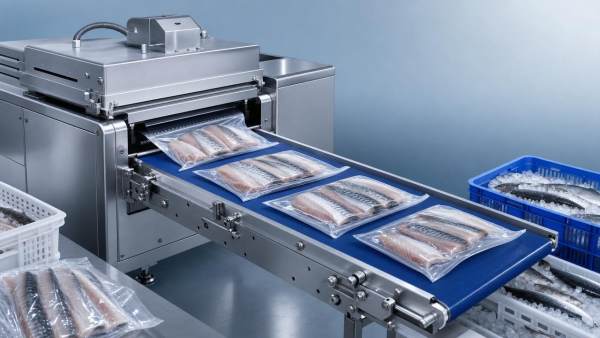
For project managers evaluating processing-line investments, knowing when a vacuum packing machine for fish pays off is more than a cost question—it is a decision tied to shelf life, labor efficiency, product quality, and compliance performance. This article examines the operational and financial factors that determine return on investment, helping industrial buyers assess whether the technology fits their throughput, export, and risk-control goals.
What determines whether a vacuum packing machine for fish is worth the investment?
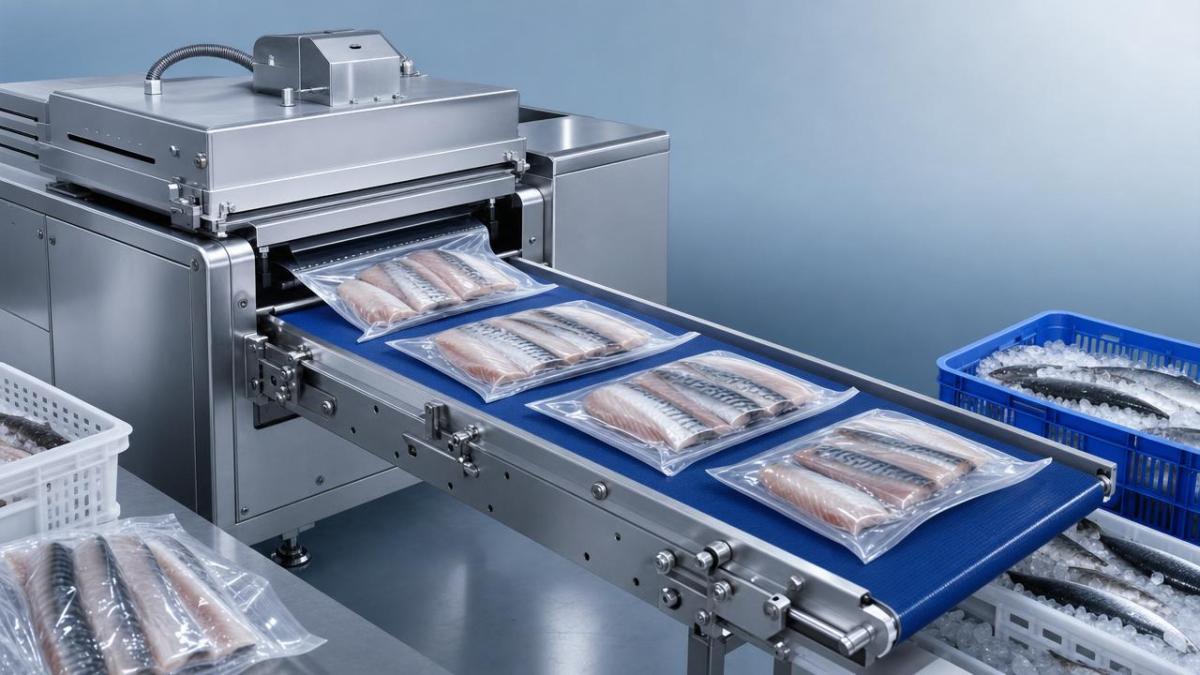
A vacuum packing machine for fish pays off when it solves a measurable bottleneck in processing, packaging, cold-chain stability, or product loss. For project managers, the key is not the machine price alone. The decision depends on throughput, spoilage rates, labor structure, bag consumption, export requirements, and how tightly the plant must control hygiene and traceability.
In fish processing, packaging is directly linked to freshness perception and distribution economics. Vacuum sealing can reduce oxygen exposure, improve pack appearance, limit drip loss during storage, and support longer distribution windows. These gains matter most in operations shipping chilled fillets, portioned seafood, smoked fish, or value-added products across regions or export markets.
AgriChem Chronicle tracks investment logic across aquaculture, fishery technology, feed processing, and regulated supply chains. That cross-sector perspective is useful because packaging decisions rarely stand alone. They affect line balancing, sanitation planning, retailer specifications, audit readiness, and final landed cost.
- If the plant loses margin through short shelf life, a vacuum packing machine for fish often creates value by reducing write-offs and widening delivery range.
- If labor cost is rising, semi-automatic or automatic vacuum systems may improve output per operator and reduce repacking time.
- If the facility serves export or retail contracts, consistent seal quality and documentation can support compliance and customer acceptance.
When does payback happen in real fish processing scenarios?
Payback usually becomes realistic when the machine changes one or more high-cost variables at scale. These variables include reduced spoilage, lower labor hours per packed kilogram, improved yield from fewer damaged packs, and fewer shipment claims. For low-volume processors selling fresh product locally within one day, the return may be slow. For medium or large operations shipping chilled fish over several days, the return can be materially stronger.
The table below helps project managers judge whether a vacuum packing machine for fish matches their operating profile and expected payback window.
The practical lesson is simple: the higher the cost of product failure after packing, the faster the machine tends to pay back. A processor losing premium fish due to oxidation, leakage, or appearance defects will see a different business case than one selling low-value product the same day.
The four variables that matter most
- Throughput consistency. Irregular volume can delay return because the machine is underused.
- Product value per kilogram. Higher-value fish justifies tighter packaging control.
- Distribution distance. Longer routes increase the value of shelf-life protection.
- Failure cost. Returned shipments, leaks, rework, and markdowns quickly change ROI.
How should project managers calculate ROI for a vacuum packing machine for fish?
A disciplined ROI review should combine capital cost with operating effects across the full packaging line. Many teams only compare equipment price and labor. That is too narrow. A better model includes consumables, maintenance, downtime exposure, spoilage reduction, output capacity, and the financial value of customer acceptance.
Before approval, project managers should collect baseline data over at least one representative production cycle. That usually means actual packed kilograms per shift, rejected packs, average bag use, labor hours, complaints, and storage loss.
- Capital cost: machine, pump configuration, ancillary conveyors, installation, electrical adaptation, and operator training.
- Operating cost: packaging bags, wear parts, preventive maintenance, energy use, sanitation time, and spare-parts stock.
- Return drivers: fewer leaks, lower spoilage, more units per hour, lower overtime, reduced rework, and wider market access.
A practical decision framework
The table below organizes a procurement review for a vacuum packing machine for fish from a project and operations perspective.
This framework also helps explain decisions to finance, quality teams, and plant management. It turns the investment discussion from “machine cost” into “cost of current packaging limitations.”
Which machine type is appropriate for different fish processing lines?
Not every plant needs the same vacuum packing machine for fish. Bench-top units, single-chamber systems, double-chamber machines, and thermoforming lines serve different production goals. Overbuying slows ROI. Underbuying creates capacity stress, maintenance issues, and line imbalance.
The right choice depends on pack size variation, cleaning requirements, target output, and whether the line handles whole fish, fillets, steaks, or marinated products.
For many project managers, the strongest value case sits in the middle: a robust chamber machine that balances seal reliability, washdown suitability, and practical throughput without the complexity of a full automated line.
Selection points often missed during procurement
- Pump capacity must match actual cycle demand, not only brochure speed.
- Seal bar length and chamber size should fit largest commercial SKU without wasting bag material.
- Stainless steel construction and hygienic design are important in fish environments with salt, moisture, and frequent sanitation.
- Service access, local parts availability, and downtime response can outweigh a lower purchase price.
What technical and compliance factors influence long-term value?
A vacuum packing machine for fish is part of a food-contact process, so technical performance and compliance need to be reviewed together. Inadequate hygienic design can increase cleaning time and contamination risk. Weak sealing consistency can undermine shelf-life assumptions. Poor documentation can create issues during customer audits or export inspections.
Project managers should align packaging equipment with plant HACCP plans, sanitation procedures, and the quality expectations of buyers. Depending on destination market and product category, facilities may also consider how equipment supports FDA-facing controls, GMP-aligned documentation practices, or broader environmental and workplace requirements.
Key technical checkpoints
- Vacuum level consistency across repeated cycles and variable fish moisture loads.
- Seal integrity under chilled storage, handling vibration, and condensation exposure.
- Ease of washdown, drainage, and access to hygiene-sensitive areas.
- Operator interface clarity for shift teams with mixed skill levels.
- Compatibility with traceability records, label workflows, and line integration.
Why compliance affects ROI
Compliance is not just a legal matter. It affects rework, audit time, customer confidence, and the risk of interrupted shipments. In regulated or export-focused sectors, equipment that supports documented cleaning, repeatable sealing, and transparent operating procedures can deliver indirect savings that are not always visible in the initial quotation.
What are the main risks, alternatives, and common misconceptions?
The most common mistake is assuming any vacuum system will automatically increase shelf life enough to justify the investment. Packaging only works within the limits of raw material quality, temperature control, and handling discipline. If fish arrives warm, is processed late, or experiences cold-chain breaks, a better pack will not fully recover lost freshness.
Another misconception is that a lower-cost machine is always the faster payback option. In practice, unreliable sealing, difficult sanitation, and spare-parts delays can erase the savings. For project teams under installation deadlines, lifecycle support matters.
- Risk: undersized machine capacity. Result: queues, overtime, and rushed handling during peak landings.
- Risk: poor bag specification. Result: punctures, leaks, or excess material cost.
- Risk: ignoring sanitation workflow. Result: longer cleaning downtime and audit concerns.
Alternative approaches to compare
Some processors compare a vacuum packing machine for fish with simple overwrap, ice-packed bulk handling, or modified atmosphere packaging. Each has a place. Overwrap may fit ultra-short local sales. Bulk handling suits certain wholesale channels. Modified atmosphere packaging can be suitable for specific retail formats but may require different materials, gas systems, and validation steps.
That is why procurement should evaluate the entire route to market, not only the machine. ACC’s multi-industry lens is valuable here because packaging choices influence downstream claims, export readiness, ingredient handling, and primary processing efficiency across interconnected supply chains.
FAQ: practical questions before buying a vacuum packing machine for fish
How do I know if my volume is high enough?
Look at stable weekly output, not one peak day. If fish packing is a daily or near-daily operation and current packaging limits dispatch timing, labor usage, or product loss, a vacuum packing machine for fish deserves a detailed ROI review. If demand is highly irregular, leasing, contract packing, or a smaller chamber unit may be more sensible.
What payback period is usually acceptable?
It depends on margin pressure, product value, and capital policy. Many industrial buyers screen for returns within one to three years, but the right threshold varies. High-value chilled seafood with measurable spoilage reduction may justify faster approval than lower-value local product.
What should be confirmed before requesting quotations?
Prepare actual pack dimensions, target shift output, product temperature range, sanitation regime, utility conditions, and packaging material requirements. Also confirm whether the line needs gas flushing, date coding integration, or conveyor interfaces. Better input leads to more realistic proposals.
Does export business change the decision?
Yes. Export typically raises the value of reliable vacuum packaging because transit times are longer and presentation standards are tighter. It also increases the importance of documentation, seal consistency, and equipment hygiene for customer and regulatory review.
Why work with us when evaluating fish packaging investments?
AgriChem Chronicle supports industrial decision-makers with sector-specific analysis rather than generic equipment commentary. Our editorial strength spans aquaculture and fishery technology, agricultural machinery, feed and grain processing, and regulated industrial supply chains. That means packaging investment is examined in the context that matters to project leaders: procurement risk, compliance exposure, technical suitability, and operational continuity.
If you are assessing a vacuum packing machine for fish, you can consult us on the practical issues that shape project success:
- Parameter confirmation for chamber size, seal length, pump demand, and expected throughput.
- Product selection guidance based on fish format, packaging goals, and plant layout constraints.
- Delivery-cycle planning, installation dependencies, and ramp-up risk considerations.
- Custom solution discussion for export workflows, hygiene priorities, and line integration needs.
- Certification and documentation review relevant to food processing, quality systems, and buyer requirements.
- Quotation comparison support so procurement teams can judge total value, not just headline price.
For project managers under budget pressure and delivery deadlines, the right decision is rarely the cheapest machine and rarely the most complex one. It is the system that protects fish quality, fits the real production pattern, and produces a defensible return. If you need structured input on selection, implementation, or supplier comparison, ACC can help frame the decision with technical and market intelligence that serves institutional buyers and industrial processing teams.
Related Intelligence
- Commercial FishingWhat Should You Check in a Fishery Equipment Maintenance Contract?What should I look for in a fishery equipment maintenance contract? Explore coverage, response times, costs, records, safety, and biosecurity essentials.
- Commercial FishingDo commercial fishing vessels with hybrid diesel-electric propulsion reduce fuel cost per kg landed by more than 12%?Commercial fishing vessels with hybrid diesel-electric propulsion *can* cut fuel cost per kg landed by >12%—but only under precise operational and infrastructure conditions. Discover the real ROI.
- Commercial FishingHow to Choose Oyster Processing Equipment for Capacity, Hygiene, and Labor EfficiencyOyster processing equipment guide: compare capacity, hygienic design, and labor efficiency to build a reliable, scalable line and make smarter buying decisions.
The Morning Broadsheet
Daily chemical briefings, market shifts, and peer-reviewed summaries delivered to your terminal.
