

The Authority in Global Agricultural Chemistry & Bio-Resources
How a commercial crab grading machine improves consistency
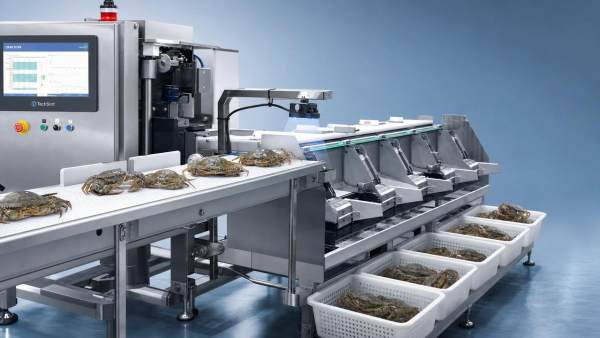
In commercial seafood operations, consistency is not just a quality goal but a safety and compliance requirement. A commercial crab grading machine helps quality control teams standardize size classification, reduce manual error, and improve traceability across processing lines. By producing repeatable grading results, it strengthens batch integrity, supports smoother audits, and improves confidence in outbound product quality.
Why consistency matters in crab grading
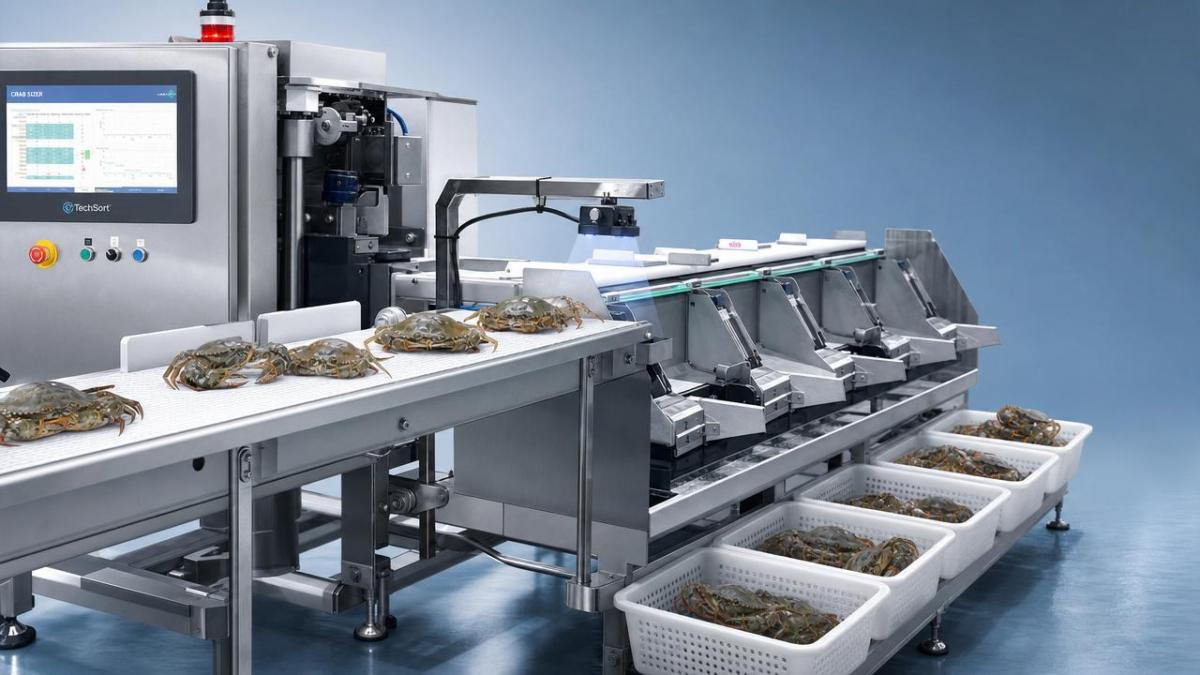
Crab is a variable raw material. Shell size, weight, moisture, and condition can differ widely within the same landing. Without controlled grading, pack uniformity declines and downstream handling becomes less predictable.
A commercial crab grading machine creates a standard decision point. It applies the same grading logic to every unit, which helps align sorting, packing, labeling, and dispatch with documented quality requirements.
This matters beyond presentation. Consistent grading supports yield planning, carton optimization, line balancing, and customer specification control. It also reduces disputes linked to mixed sizes or inconsistent count-per-box results.
Use this checklist to evaluate grading performance
Use the following checklist to judge whether a commercial crab grading machine is improving consistency in a measurable and operationally useful way.
- Define grade bands clearly before production starts, using approved size, weight, and tolerance limits that match sales specifications, labeling rules, and internal quality records.
- Verify calibration at shift start and after sanitation, maintenance, or product changeovers so the commercial crab grading machine continues to classify crabs within documented tolerances.
- Control feed rate into the machine, because overloaded infeed zones can cause overlap, unstable measurement, and false sorting decisions that reduce grading consistency.
- Inspect sensor cleanliness frequently, since water droplets, shell fragments, mud, and protein residue can interfere with optical or weighing accuracy on active grading lines.
- Match conveyor speed to crab condition and line volume, ensuring the commercial crab grading machine measures each item without bounce, slippage, or orientation-related distortion.
- Record reject rates by grade and by lot, then investigate unusual shifts that may indicate raw material variation, equipment drift, or inconsistent upstream handling.
- Check pack-out results against machine output data, confirming that cartons, bins, or totes actually reflect the assigned grade after manual touchpoints downstream.
- Integrate traceability fields into the grading workflow, linking lot number, time stamp, operator action, and sanitation status to each production run.
- Review changeover procedures carefully when switching species, size programs, or customer standards, because stored settings can introduce hidden grading errors.
- Train operators to respond to trend deviations, not just alarms, so minor consistency losses are corrected before they become customer-facing quality issues.
How a commercial crab grading machine improves line consistency
Standardizes measurement logic
Manual grading often varies by fatigue, experience, and pace. A commercial crab grading machine replaces subjective judgment with fixed sorting parameters, which creates tighter repeatability across shifts.
That consistency is especially useful in mixed lots. Even when incoming crab size distribution changes, the machine applies the same rule set, reducing variation between operators and production windows.
Reduces rework and handling damage
Accurate first-pass sorting lowers the need for regrading. Less rehandling means fewer shell cracks, less stress on live product, and lower disruption to chilled processing flow.
A stable commercial crab grading machine also helps protect throughput. When fewer cartons require correction, packing teams can hold a more even pace and maintain cleaner documentation.
Supports audit-ready traceability
Consistency is easier to defend when grading data is recorded automatically. Time-stamped production records help demonstrate control, especially where export, food safety, or buyer verification standards apply.
This makes the commercial crab grading machine more than a sorting tool. It becomes part of the plant’s evidence chain for quality assurance, variance review, and corrective action tracking.
Application notes for different operating scenarios
High-volume processing lines
In high-throughput plants, consistency depends on feed stability as much as machine accuracy. Uneven loading can reduce separation quality, especially when product enters in clusters.
A commercial crab grading machine performs best when infeed spacing, conveyor synchronization, and pack-out timing are managed as one system rather than isolated steps.
Live crab handling operations
For live product, grading consistency must coexist with gentle handling. Equipment settings should limit drop height, pinch points, and abrupt transfers that can reduce survival or downgrade quality.
Here, the right commercial crab grading machine balances precision with low-stress movement, helping preserve product condition while still meeting size classification targets.
Export-oriented packing programs
Export shipments often require strict count, weight, and labeling alignment. In these programs, grading inconsistency can trigger claims, relabeling, or border inspection delays.
A validated commercial crab grading machine helps maintain specification discipline, especially when multiple destination markets use different size codes or acceptance tolerances.
Commonly overlooked risks
- Ignoring upstream variability. If washdown, dewatering, or presentation onto the belt is inconsistent, even a precise commercial crab grading machine may deliver unstable outcomes.
- Relying only on average accuracy. Mean performance can hide edge-case failures, especially around grade boundaries where customer complaints usually begin.
- Skipping post-clean calibration checks. Sanitation can alter alignment, sensor visibility, or weighing response, which directly affects grading repeatability.
- Overlooking downstream mixing. Correct machine sorting loses value if bins, totes, or manual repacking steps reintroduce grade contamination later in the process.
- Failing to trend data over time. A commercial crab grading machine may appear stable daily while gradually drifting across weeks due to wear or environmental change.
Practical execution steps
Start with one clearly defined product specification. Build machine settings around that standard, then validate actual output with spot checks at the beginning, middle, and end of each run.
Create a short verification sheet covering calibration, sanitation status, reject trend, and pack-out confirmation. This keeps the commercial crab grading machine under routine control without slowing production.
Review exception data weekly. Focus on grade boundary errors, rework frequency, and lot-to-lot variation. Small trend corrections often deliver bigger consistency gains than major hardware changes.
Conclusion and next action
A commercial crab grading machine improves consistency by standardizing measurement, reducing manual variation, and strengthening traceability from infeed to dispatch. When paired with disciplined calibration and downstream control, it becomes a practical tool for quality stability.
The most effective next step is simple: map the current grading process, identify where variation enters, and compare those points against the checklist above. That review will show whether a commercial crab grading machine is merely sorting product or actively improving process control.
Related Intelligence
- Commercial FishingWhat Should You Check in a Fishery Equipment Maintenance Contract?What should I look for in a fishery equipment maintenance contract? Explore coverage, response times, costs, records, safety, and biosecurity essentials.
- Commercial FishingDo commercial fishing vessels with hybrid diesel-electric propulsion reduce fuel cost per kg landed by more than 12%?Commercial fishing vessels with hybrid diesel-electric propulsion *can* cut fuel cost per kg landed by >12%—but only under precise operational and infrastructure conditions. Discover the real ROI.
- Commercial FishingHow to Choose Oyster Processing Equipment for Capacity, Hygiene, and Labor EfficiencyOyster processing equipment guide: compare capacity, hygienic design, and labor efficiency to build a reliable, scalable line and make smarter buying decisions.
The Morning Broadsheet
Daily chemical briefings, market shifts, and peer-reviewed summaries delivered to your terminal.
