

The Authority in Global Agricultural Chemistry & Bio-Resources
Buying shrimp grading machine wholesale without mistakes
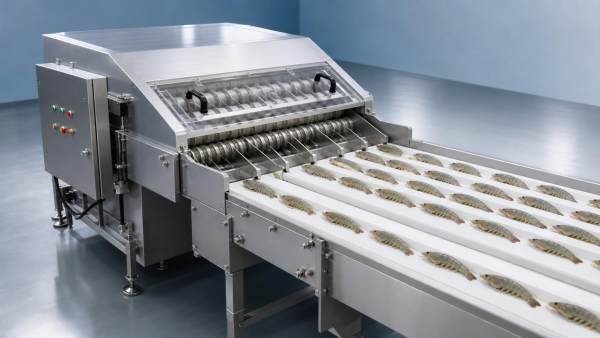
Buying shrimp grading machine wholesale can unlock healthy margins, faster delivery coverage, and long-term repeat demand. Yet one weak sourcing decision can create sorting errors, downtime, compliance issues, and costly returns.
In shrimp processing and aquaculture handling, grading accuracy affects survival rates, labor efficiency, packaging consistency, and customer trust. That is why shrimp grading machine wholesale decisions must go beyond price lists and catalog photos.
This guide answers the most important questions before placing volume orders. It focuses on machine performance, material standards, supplier validation, cost control, and practical checkpoints that reduce wholesale mistakes.
What does shrimp grading machine wholesale really include?
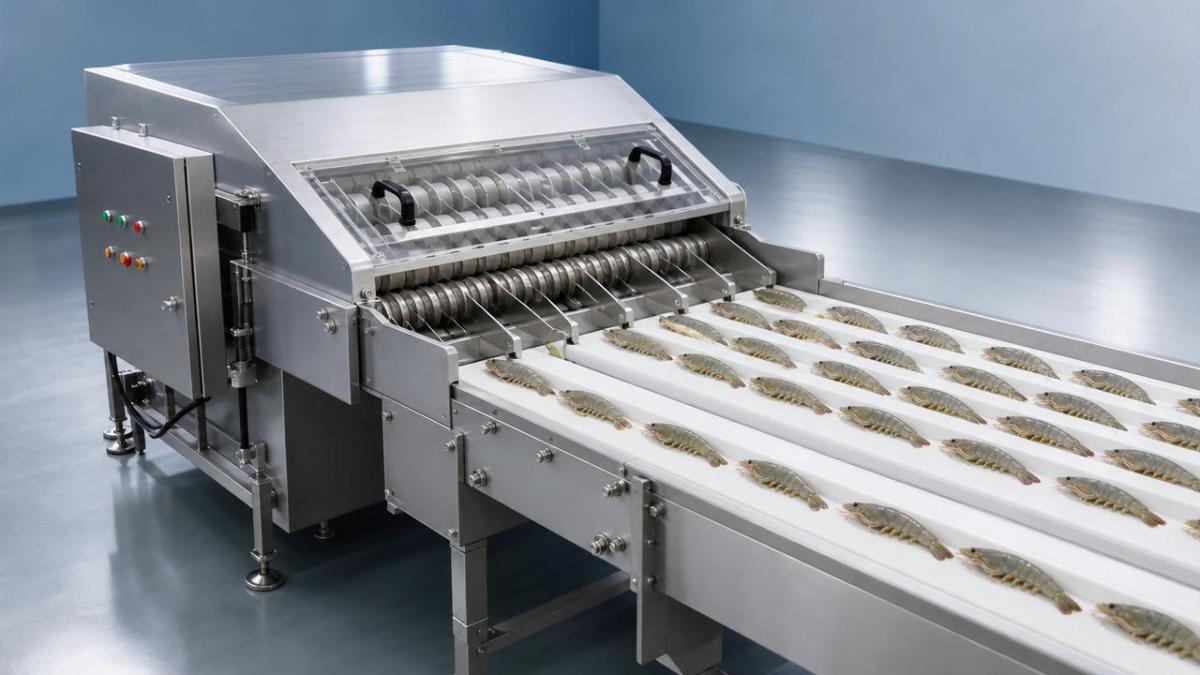
Shrimp grading machine wholesale usually means bulk purchasing of sorting equipment used to separate shrimp by size, weight, or count. These machines serve farms, processors, seafood plants, and cold chain handling facilities.
Not all wholesale offers include the same scope. Some cover only the grading unit. Others include conveyors, water circulation systems, control panels, spare parts, training, and installation guidance.
A common mistake is assuming every shrimp grading machine wholesale package is turnkey. In reality, accessory gaps often appear after deposit payment, leading to budget overruns and shipping delays.
Before comparing quotations, confirm these basics:
- grading method: roller, bar spacing, weight, or optical sorting
- capacity per hour under real operating conditions
- number of output grades and adjustment range
- wet or dry processing compatibility
- included components, consumables, and spare parts
- power requirements and local voltage matching
The best shrimp grading machine wholesale deal is not the cheapest one. It is the one with clear scope, stable output, and support that matches the intended processing environment.
How can grading accuracy be verified before a wholesale order?
Accuracy is the heart of shrimp grading machine wholesale evaluation. A machine that sorts inconsistently can increase rework, damage shrimp, and weaken downstream packaging uniformity.
Ask for test evidence using shrimp sizes close to the intended application. Generic performance claims are not enough. Trial data should reflect species, moisture conditions, and actual production speed.
Useful validation questions include:
- What is the sorting tolerance for each grade?
- How does accuracy change at maximum throughput?
- Does machine speed affect shrimp damage rate?
- Can the grading gap be adjusted quickly?
- Is there a video of continuous production, not a short demo?
For shrimp grading machine wholesale, request a remote live test or third-party inspection when possible. Recorded demos can hide stoppages, manual correction, or unusual sample preparation.
Also review how the machine handles mixed shrimp lots. Many systems perform well on uniform samples but lose precision when shrimp length and body shape vary across batches.
Good wholesale decisions rely on measurable indicators, not impressions. A short test report with grade distribution, reject rate, and throughput stability is more useful than a polished brochure.
Which material, hygiene, and compliance details matter most?
In shrimp handling equipment, material selection affects sanitation, corrosion resistance, maintenance life, and export suitability. This is a major checkpoint in shrimp grading machine wholesale sourcing.
Food-contact parts should typically use appropriate stainless steel, often SUS304 or SUS316 depending on salinity, washdown intensity, and hygiene protocol. Painted carbon steel in wet zones creates avoidable risk.
Look closely at weld quality, corner finishing, drainage design, and belt or roller cleanability. Bacteria risks often come from hard-to-clean joints, trapped water, and rough surfaces.
For shrimp grading machine wholesale, documentation matters as much as material claims. Ask for:
- material certificates for food-contact areas
- electrical compliance records such as CE where applicable
- motor and control component brand list
- cleaning and maintenance manuals
- packing list and exploded spare parts diagram
If equipment may enter regulated processing environments, verify whether local food safety, EPA, FDA-related handling expectations, or importer documentation could affect installation and operation.
A supplier that cannot explain sanitary design logic may not be a safe choice, even if the shrimp grading machine wholesale quote looks attractive on paper.
How do you compare suppliers without being misled by low prices?
Low prices in shrimp grading machine wholesale can come from thinner steel, weaker motors, unstable grade calibration, or incomplete after-sales support. Comparing only unit price often leads to poor total value.
A better method is to compare suppliers across production capability, transparency, and lifecycle cost. The table below helps structure that review.
For shrimp grading machine wholesale, supplier responsiveness before payment often predicts support quality after delivery. Slow answers, vague technical replies, and changing specifications are warning signs.
Request references, shipment history, and machine serial tracking methods. Reliable suppliers usually maintain production records and can explain how updates are controlled across different machine batches.
What hidden costs and delivery risks should be calculated early?
Many shrimp grading machine wholesale mistakes happen after the quotation stage. Freight, customs, installation materials, replacement rollers, operator training, and local electrical adaptation can reshape total landed cost.
A realistic cost review should include more than machine price:
- export packing and container loading method
- sea or air freight and transit time
- import duty, tax, and clearance charges
- onsite installation tools and utilities
- critical spare parts for first-year use
- possible production loss during commissioning
Lead time also deserves close attention. In shrimp grading machine wholesale, stated production time may exclude material shortages, pre-shipment testing, export paperwork, and holiday shutdowns.
Ask for milestone dates covering drawing confirmation, fabrication, testing, packing, and shipment release. This creates accountability and reduces confusion if delivery starts slipping.
Payment terms should align with inspection stages. Deposits are common, but final payment is safer when tied to test evidence, packing confirmation, or third-party verification.
What are the most common shrimp grading machine wholesale mistakes?
Several mistakes appear repeatedly in shrimp grading machine wholesale transactions. Most are preventable with a structured checklist and better technical questioning.
1. Buying by photo instead of specification
Machines that look similar may differ greatly in steel thickness, motor quality, output stability, and sanitation design. Always compare drawings, BOM details, and test data.
2. Ignoring the target shrimp range
A system optimized for one shrimp size may struggle with another. Confirm the expected size distribution, moisture condition, and grade count before finalizing shrimp grading machine wholesale orders.
3. Underestimating cleaning requirements
If disassembly takes too long, sanitation routines suffer. That raises labor costs and can create hygiene risks in high-throughput seafood environments.
4. Skipping spare parts planning
Belts, bearings, sensors, and adjustment parts should be identified early. Delayed replacement of small components can stop an entire grading line.
5. Accepting unclear warranty language
Warranty should define coverage, exclusions, response time, and responsibility for freight. Vague promises create disputes when technical issues appear.
How should a final buying checklist for shrimp grading machine wholesale look?
A disciplined checklist makes shrimp grading machine wholesale more predictable. It keeps technical, commercial, and compliance factors in one decision framework.
Buying shrimp grading machine wholesale without mistakes means slowing down before commitment. Verify grading accuracy, confirm sanitary materials, compare real supplier capability, and calculate full landed cost.
A careful review today can prevent expensive downtime tomorrow. Use the checkpoints above to screen offers, request proof, and move forward only when specifications, testing, and support are fully aligned.
For stronger results, build a short approval matrix before the first order. That simple step turns shrimp grading machine wholesale from a price gamble into a controlled, scalable sourcing decision.
Related Intelligence
- Commercial FishingWhat Should You Check in a Fishery Equipment Maintenance Contract?What should I look for in a fishery equipment maintenance contract? Explore coverage, response times, costs, records, safety, and biosecurity essentials.
- Commercial FishingDo commercial fishing vessels with hybrid diesel-electric propulsion reduce fuel cost per kg landed by more than 12%?Commercial fishing vessels with hybrid diesel-electric propulsion *can* cut fuel cost per kg landed by >12%—but only under precise operational and infrastructure conditions. Discover the real ROI.
- Commercial FishingHow to Choose Oyster Processing Equipment for Capacity, Hygiene, and Labor EfficiencyOyster processing equipment guide: compare capacity, hygienic design, and labor efficiency to build a reliable, scalable line and make smarter buying decisions.
The Morning Broadsheet
Daily chemical briefings, market shifts, and peer-reviewed summaries delivered to your terminal.
