

The Authority in Global Agricultural Chemistry & Bio-Resources
What matters most in feed & grain processing equipment
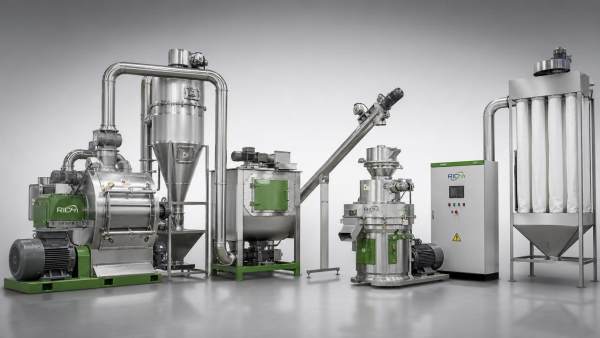
In modern operations, Feed & Grain processing equipment is judged by more than throughput alone. For technical evaluators, the real priorities include process consistency, contamination control, energy efficiency, compliance readiness, and lifecycle maintenance costs. Understanding how these factors interact is essential to selecting systems that protect product quality, support scalable production, and deliver reliable long-term operational value.
Why a checklist matters in Feed & Grain processing equipment selection
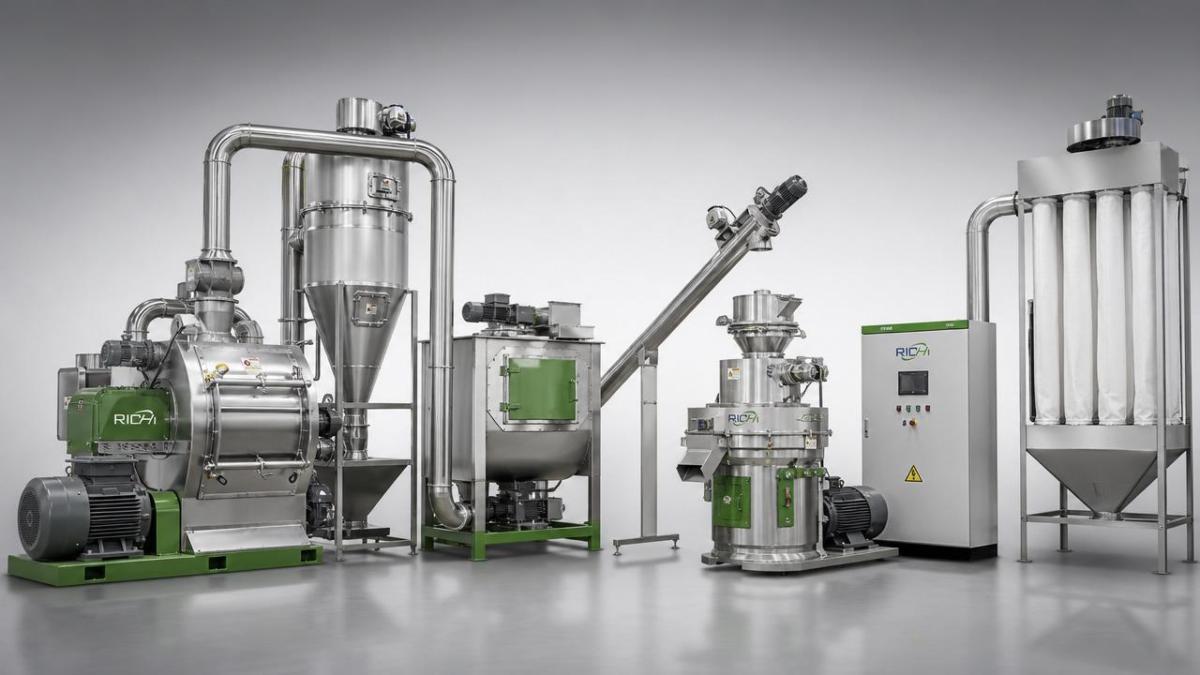
Feed & Grain processing equipment sits at the intersection of mechanical performance, food safety, and plant economics. A checklist prevents decisions based only on nameplate capacity or initial purchase price.
In integrated operations, one weak component can affect grinding uniformity, mixing accuracy, pellet durability, storage stability, and audit performance. Structured evaluation reduces technical blind spots and supports more predictable production outcomes.
This is especially important when systems must process variable raw materials, meet dust control requirements, and align with regional rules on sanitation, emissions, and worker safety.
Core checklist: what matters most in Feed & Grain processing equipment
- Verify process consistency across real raw material ranges, not only ideal test runs, including changes in moisture, density, oil content, and particle behavior.
- Check contamination control points from intake to discharge, especially magnets, aspiration, enclosed transfers, cleanout access, and segregation between formula changes.
- Measure energy performance per ton processed, separating grinding, conveying, pelleting, drying, and cooling loads instead of relying on a single plant-wide estimate.
- Confirm compliance readiness for dust, noise, guarding, traceability, sanitation, and documented operating procedures before installation begins.
- Inspect wear parts strategy, including hammer life, die replacement intervals, bearing accessibility, lubrication points, and local spare availability.
- Review automation depth, including recipe control, alarm history, batch records, motor load trends, and remote diagnostics for troubleshooting.
- Assess cleanability of mixers, conveyors, bins, and bucket elevators to reduce carryover, spoilage risk, and downtime during product changeovers.
- Validate throughput under stable and unstable operating conditions, including startup, stoppage, surge loading, and partial-load production.
- Examine material flow design to avoid bridging, rat-holing, over-grinding, ingredient separation, and inconsistent pellet quality.
- Calculate lifecycle cost by combining energy use, maintenance labor, spare parts, cleaning time, compliance upgrades, and expected service life.
Process consistency comes before peak speed
High-capacity Feed & Grain processing equipment delivers value only when particle size, mix uniformity, and thermal treatment remain stable across shifts. Variability creates downstream losses that often exceed the cost of slower but more controlled equipment.
Ask for production data under different formulations. Corn-soy feed, by-product blends, and higher-fat recipes can stress the same line in different ways.
Contamination control is a design issue, not a cleaning memo
In Feed & Grain processing equipment, contamination risk comes from dead zones, shared conveyors, poor aspiration, residue in mixers, and damaged seals. Hygienic design improves both product integrity and operational confidence.
Look for smooth internal surfaces, access doors, quick inspection points, and documented cleanout procedures. These details matter in medicated lines, specialty formulas, and export-sensitive production.
How priorities change across operating scenarios
High-volume commercial feed plants
In large plants, Feed & Grain processing equipment must handle sustained throughput with low unplanned downtime. Automation, wear resistance, and predictable maintenance windows usually matter more than headline speed.
Condition monitoring becomes valuable here. Load trends, vibration checks, and temperature alarms help identify failures before they disrupt scheduling.
Multi-formula or specialty production
When frequent recipe changes are required, cleanability and batch traceability move to the top of the list. Feed & Grain processing equipment should support fast flushing, clear sequencing, and documented carryover control.
Short runs expose hidden inefficiencies. Excess residue, slow discharge, and poor software integration can undermine flexibility even when the mechanical design looks adequate.
Grain handling and storage-linked systems
Where processing connects directly with intake, drying, storage, and dispatch, system balance is critical. Feed & Grain processing equipment should match upstream moisture variation and downstream storage constraints.
Poor coordination between dryers, cleaners, elevators, and mills often causes bottlenecks. The best machine cannot solve a poorly synchronized process layout.
Commonly overlooked issues and risk alerts
Ignoring raw material variability
Feed & Grain processing equipment may perform well during acceptance tests, then struggle with seasonal ingredients. Moisture swings, fines content, and density changes affect grinding, pelleting, and storage behavior.
Underestimating dust and explosion control
Dust is not only a housekeeping issue. It affects worker safety, sanitation, equipment wear, and regulatory exposure. Evaluate aspiration, venting, sealing, and housekeeping access as core design features.
Focusing only on machine price
Lower-cost Feed & Grain processing equipment can carry higher long-term expenses through spare consumption, energy inefficiency, cleaning delays, and weak support documentation. Total cost must be proven, not assumed.
Overlooking service access
Maintenance access affects safety and downtime. If technicians cannot reach bearings, screens, dies, or sensors quickly, routine tasks become expensive interruptions.
Practical execution steps before final equipment approval
- Request a process flow review that maps every transfer point, aspiration line, cleanout area, and control signal in the proposed Feed & Grain processing equipment layout.
- Compare test data using actual formulations, including difficult ingredients, not simplified samples with ideal moisture and flow characteristics.
- Score each system against consistency, sanitation, energy use, maintenance access, controls, and documentation instead of using a single weighted price metric.
- Review spare parts lead times and local technical support before commissioning, especially for critical motors, dies, screens, valves, and sensors.
- Plan acceptance criteria in advance, covering throughput, particle size, mixing uniformity, pellet quality, energy draw, and residue after changeover.
A disciplined review process improves confidence in Feed & Grain processing equipment decisions. It also creates a stronger basis for commissioning, operator training, and future line expansion.
Conclusion: use a technical checklist to protect long-term value
What matters most in Feed & Grain processing equipment is rarely one specification. Reliable performance comes from the interaction of process control, hygiene, serviceability, energy efficiency, and compliance readiness.
Start with a structured checklist, test against real operating conditions, and verify lifecycle assumptions with evidence. That approach leads to Feed & Grain processing equipment choices that support stable quality, safer production, and stronger operational returns.
Related Intelligence
- Milling MachineryCan Agricultural Scientists Validate Grain Processing Machinery?Can agricultural scientists validate process machinery performance? Discover how grain equipment testing verifies throughput, quality, and efficiency before you invest.
- Milling MachineryGrain Processing Explained: From Cleaning and Milling to Finished Product QualityGrain Processing explained: discover how cleaning, conditioning, milling, and quality control turn raw grain into safe, consistent flour, feed, and food ingredients.
- Milling MachineryGerman Grain Processing Plants: Evaluating Automation and Energy-Efficiency UpgradesGrain processing Germany: evaluate automation and energy-efficiency upgrades to improve throughput, quality, safety, and lifecycle value.
The Morning Broadsheet
Daily chemical briefings, market shifts, and peer-reviewed summaries delivered to your terminal.
