

The Authority in Global Agricultural Chemistry & Bio-Resources
A commercial shrimp peeling machine can cut waste fast
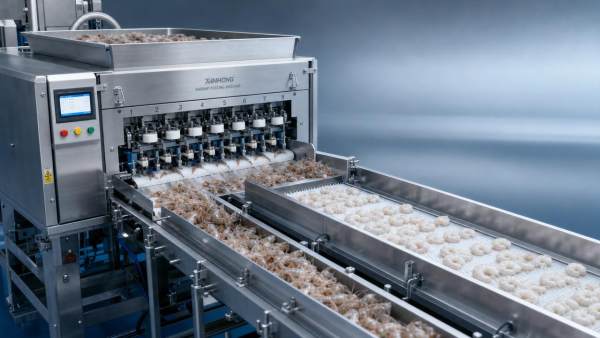
A commercial shrimp peeling machine can transform high-volume seafood processing by cutting labor waste, reducing product loss, and improving consistency on every shift. For operators and plant users, choosing the right shrimp peeling machine commercial setup means faster throughput, cleaner peeling results, and more reliable daily performance. This article explores how the right equipment helps streamline production while supporting cost control and operational efficiency.
Why a Checklist Matters Before Buying or Upgrading
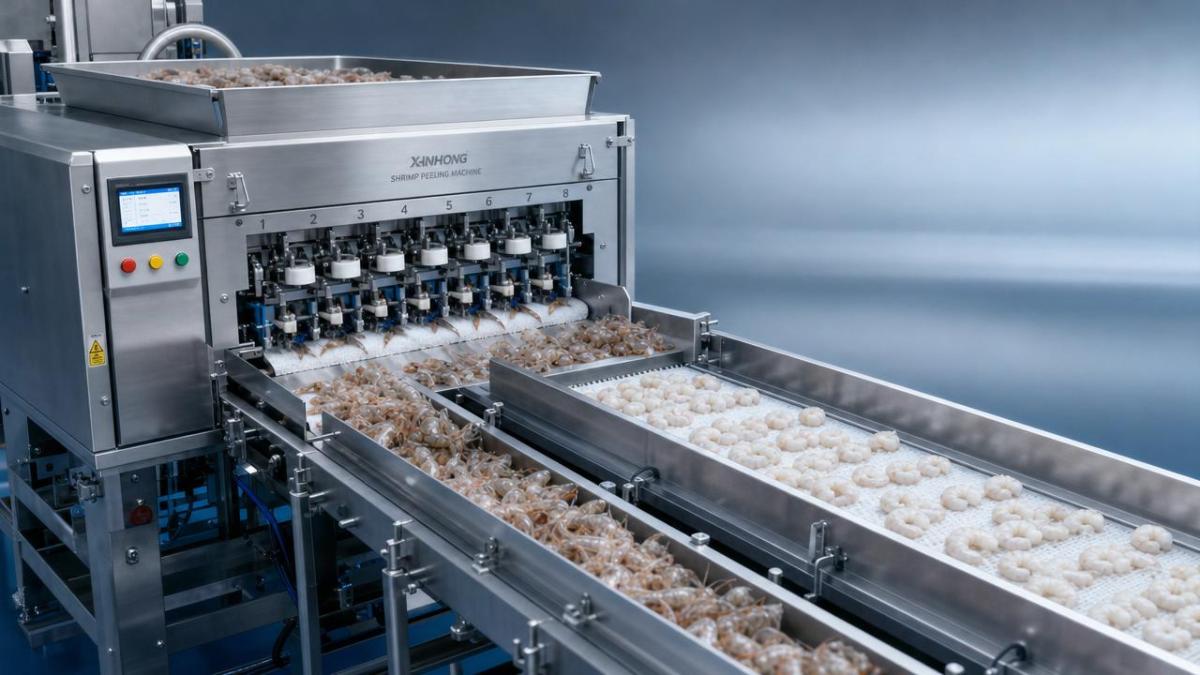
A shrimp peeling line affects yield, labor planning, sanitation routines, and downstream packing speed. A rushed purchase often creates hidden waste that only appears after installation.
Using a checklist keeps evaluation practical. It helps compare machine performance, utility demand, maintenance burden, and food safety fit without relying on marketing claims alone.
In broad industrial operations, the best shrimp peeling machine commercial choice is rarely the fastest unit on paper. The best option is the one that protects yield every day.
Core Checklist for a Shrimp Peeling Machine Commercial Setup
Use the following points to assess whether a shrimp peeling machine commercial system will reduce waste and support stable processing under real factory conditions.
- Verify hourly capacity against actual incoming shrimp size mix, not ideal test samples, so the line remains stable during peak intake and shift changes.
- Measure peeling yield carefully, including shell removal accuracy, meat damage rate, and rework percentage, because throughput alone does not show true economic value.
- Check compatibility with headless, cooked, raw, deveined, or IQF-thawed shrimp formats to avoid buying a machine limited to one narrow product condition.
- Confirm sanitation design, including stainless contact surfaces, washdown tolerance, drainage points, and quick-access covers that simplify hygiene control between production batches.
- Inspect adjustment ranges for size grading, feed speed, pressure settings, and blade alignment so operators can fine-tune output without excessive stoppage.
- Review utility requirements for power, water, air, and floor drainage before purchase, because installation constraints often reduce the value of a strong machine.
- Ask for wear-part schedules, blade life estimates, and maintenance intervals to understand whether the shrimp peeling machine commercial unit stays efficient over months of operation.
- Evaluate operator safety features such as guards, emergency stops, lockout access, and cleaning access points that prevent rushed manual intervention near moving parts.
- Test integration with conveyors, grading tables, glazing systems, and packing stations so the peeling machine supports line balance instead of creating a bottleneck.
- Request trial data under realistic raw material conditions, including variable shell hardness and temperature, because lab-style demonstrations may overstate performance.
Key Performance Signals That Actually Cut Waste
Waste reduction comes from more than automation. The right shrimp peeling machine commercial configuration reduces giveaway, prevents breakage, and lowers unnecessary handling.
Track net edible yield
A small gain in recovery rate can outweigh labor savings. Even a one-point yield improvement may generate major annual value in plants handling large daily tonnage.
Reduce rework loops
Poor peeling accuracy sends product back for trimming. That adds touchpoints, slows packing, and increases exposure time, which can affect texture and food safety control.
Stabilize output over full shifts
Some machines perform well only during short demonstrations. A reliable shrimp peeling machine commercial line should maintain consistent results from startup to final washdown.
Application Notes for Different Processing Scenarios
Fresh chilled shrimp operations
Fresh chilled material often offers better flexibility but can vary in firmness by catch date and handling history. Machine settings must account for shell adhesion and meat tenderness.
In this setting, a shrimp peeling machine commercial unit should allow quick parameter changes. Fine adjustment helps preserve appearance for premium retail and foodservice products.
Frozen-thawed processing lines
Frozen-thawed shrimp can process efficiently, but thaw consistency is critical. Uneven core temperature often leads to shell retention, tearing, or unstable feed behavior.
Here, the shrimp peeling machine commercial decision should include upstream thaw control, drain time, and grading accuracy. The machine works best when raw material prep is disciplined.
Cooked shrimp product lines
Cooked shrimp demand gentle handling because the protein structure is less forgiving. Excess pressure may create visible damage and reduce pack presentation quality.
For cooked applications, look for controlled contact points and easy calibration. The best shrimp peeling machine commercial solution protects surface appearance while maintaining speed.
Mixed-size industrial batches
Mixed batches challenge any automated line. If size variation is wide, feed inconsistency may reduce peeling precision and increase downstream sorting labor.
A practical answer is stronger pre-grading and modular adjustment. In these environments, shrimp peeling machine commercial success depends on the whole line, not one machine alone.
Commonly Overlooked Risks
Ignoring utility and drainage limits
A high-capacity machine may underperform if water pressure, compressed air, or floor drainage are inadequate. Installation reality can erase projected productivity gains.
Underestimating changeover time
When product sizes change often, slow adjustments create hidden downtime. Fast changeover features are valuable in facilities handling multiple specifications each day.
Focusing only on headline capacity
A machine rated for high volume may still waste product if calibration is narrow. Real value comes from balanced capacity, yield protection, and manageable maintenance.
Skipping after-sales support review
Parts access, remote troubleshooting, and service response times matter. A shrimp peeling machine commercial investment becomes risky when downtime support is uncertain.
Practical Execution Steps Before Final Selection
- Collect three months of raw material data, including shrimp size spread, temperature condition, and current loss points, before comparing machine options.
- Run a witnessed trial using your own shrimp samples and record peel rate, damage rate, labor touchpoints, and washdown time.
- Map the machine into the full line layout, then confirm feed height, discharge flow, sanitation clearance, and operator access.
- Calculate total operating cost, including spare parts, utilities, maintenance labor, and expected yield change, rather than purchase price alone.
- Set acceptance targets in writing for capacity, waste reduction, and cleaning performance before installation begins.
Summary and Next Action
A strong shrimp peeling machine commercial decision is built on measurable line performance, not assumptions. Capacity matters, but usable yield, sanitation speed, and stable output matter more.
Start with a checklist, validate with live product trials, and compare machines under your actual operating conditions. That approach cuts waste faster and supports a more efficient processing line.
When a shrimp peeling machine commercial system is matched to product type, utilities, and workflow, it becomes a practical tool for labor control, product consistency, and long-term operational efficiency.
Related Intelligence
- Commercial FishingWhat Should You Check in a Fishery Equipment Maintenance Contract?What should I look for in a fishery equipment maintenance contract? Explore coverage, response times, costs, records, safety, and biosecurity essentials.
- Commercial FishingDo commercial fishing vessels with hybrid diesel-electric propulsion reduce fuel cost per kg landed by more than 12%?Commercial fishing vessels with hybrid diesel-electric propulsion *can* cut fuel cost per kg landed by >12%—but only under precise operational and infrastructure conditions. Discover the real ROI.
- Commercial FishingHow to Choose Oyster Processing Equipment for Capacity, Hygiene, and Labor EfficiencyOyster processing equipment guide: compare capacity, hygienic design, and labor efficiency to build a reliable, scalable line and make smarter buying decisions.
The Morning Broadsheet
Daily chemical briefings, market shifts, and peer-reviewed summaries delivered to your terminal.
