

The Authority in Global Agricultural Chemistry & Bio-Resources
When Feed & Grain processing equipment starts costing more
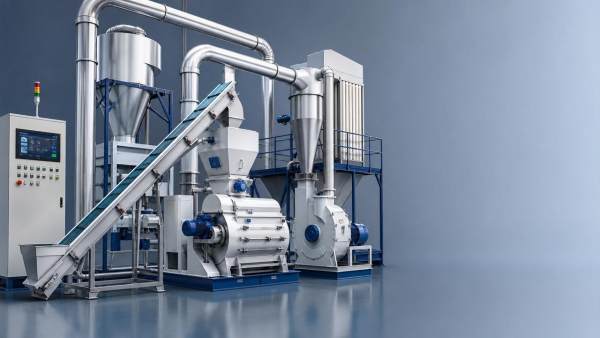
When Feed & Grain processing equipment starts costing more, the problem rarely begins with a single invoice. It usually appears through slower lines, repeated stoppages, unstable throughput, and rising maintenance calls.
In integrated processing environments, cost pressure affects production continuity, safety, energy use, and regulatory control. That is why early interpretation of maintenance signals matters as much as replacement decisions.
For operations tracking Feed & Grain processing equipment, hidden cost growth often comes from wear patterns, utility volatility, supplier changes, and tighter quality demands. Understanding the operating scenario helps separate temporary issues from structural risk.
When rising equipment costs signal a maintenance scenario, not just a purchasing problem
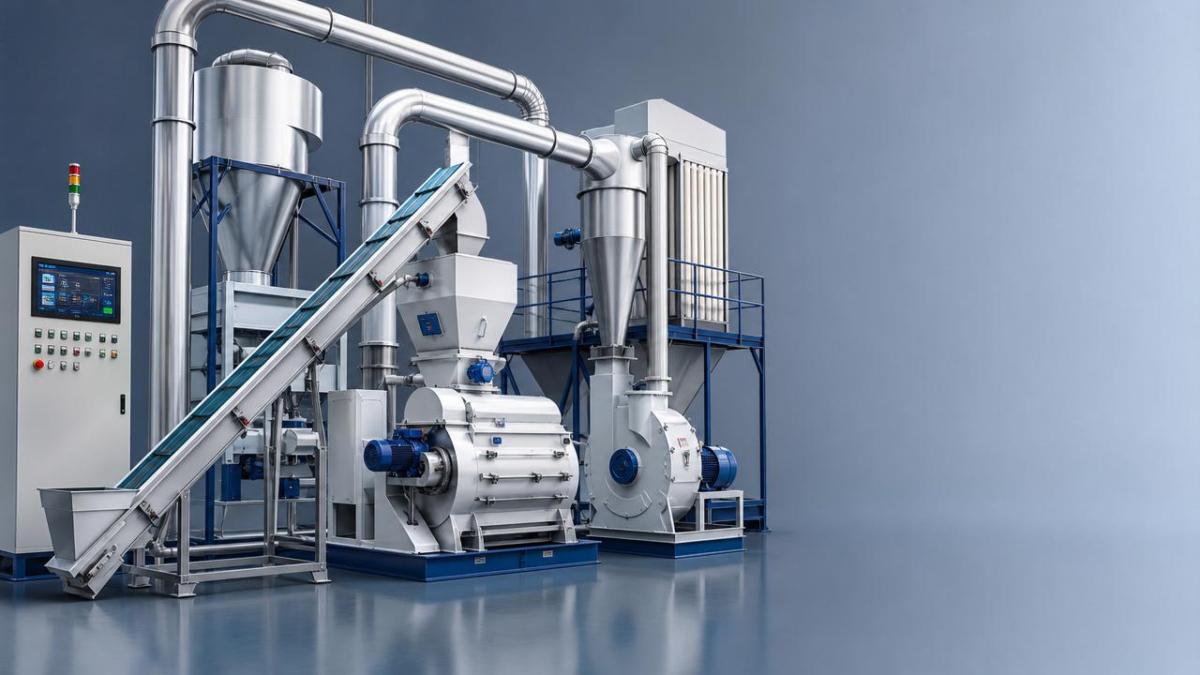
A mill facing erratic moisture, abrasive inputs, and frequent recipe changes will experience cost escalation differently from a stable bulk handling site. The same Feed & Grain processing equipment can age very differently under these conditions.
The first task is scenario recognition. Is the cost increase caused by asset fatigue, process mismatch, compliance upgrades, or supply chain distortion? Each path requires a different response.
Maintenance records often reveal the pattern before finance reports do. Repeated bearing failures, rising vibration, more corrective work orders, and longer mean time to repair are rarely isolated events.
In many facilities, Feed & Grain processing equipment costs increase because operating conditions changed while service intervals did not. Production may expand, but preventive routines remain based on old assumptions.
Early indicators worth tracking
- Unplanned downtime rising faster than output volume
- Parts usage increasing in the same machine family
- Motor load and energy draw becoming less stable
- Product quality variation linked to line interruptions
- Longer lead times for critical components
Scenario 1: High-throughput lines where Feed & Grain processing equipment wears faster than expected
High-capacity operations often push conveyors, hammer mills, pelletizers, sifters, dryers, and dust systems near design limits. Cost increases emerge when runtime expands but lubrication, balancing, and alignment checks remain unchanged.
In this scenario, Feed & Grain processing equipment may still appear functional. However, internal wear accelerates. Small losses in efficiency compound into larger energy bills, product loss, and secondary component damage.
Core judgment points
Look at runtime density, not just machine age. A younger asset running extended shifts can become more expensive than an older asset under moderate load.
Review recurring failures across couplings, screens, belts, dies, rollers, and seals. If related parts fail together, the issue may be systemic rather than component-specific.
Scenario 2: Raw material variability makes Feed & Grain processing equipment harder to control
Feed and grain plants increasingly process mixed-origin crops, variable moisture levels, and inconsistent particle characteristics. These conditions raise mechanical stress and reduce process stability.
When Feed & Grain processing equipment handles more variable inputs, maintenance teams may see choking, heat buildup, screen blinding, higher dust loads, and uneven discharge patterns.
Core judgment points
Compare failures against ingredient shifts, not only calendar dates. If downtime rises after sourcing changes, equipment settings or wear protection may no longer match actual material behavior.
Check whether operators are compensating manually. Frequent speed adjustments, bypass habits, and cleaning interventions often indicate hidden mismatch between process design and input reality.
Scenario 3: Compliance and traceability requirements increase the real cost of ownership
In regulated processing environments, equipment cost is not only a hardware issue. Documentation, cleanability, contamination control, calibration integrity, and safety verification add operational burden.
For Feed & Grain processing equipment, stricter dust control, sanitation standards, and traceability expectations can make legacy systems more expensive to maintain than newer compliant alternatives.
Core judgment points
Assess cleaning time, inspection time, and restart validation time. If these durations grow steadily, the cost increase may be procedural and regulatory, not purely mechanical.
Watch for obsolete controls, unavailable sensors, or poor audit trails. Feed & Grain processing equipment without reliable monitoring often becomes expensive through verification failures and delayed troubleshooting.
How different operating scenarios change maintenance priorities
Practical adaptation steps when Feed & Grain processing equipment becomes more expensive
The right response depends on whether costs are temporary, cyclical, or structural. A disciplined review prevents overreacting with unnecessary replacement or underreacting with repeated patch repairs.
Recommended actions by priority
- Map the highest-cost assets by downtime impact, not by purchase value alone.
- Separate chronic faults from isolated incidents using six to twelve months of work order history.
- Add condition monitoring for bearings, motors, airflow, and temperature on critical Feed & Grain processing equipment.
- Align preventive tasks with actual production intensity and ingredient variability.
- Review spare parts strategy for long-lead items, especially controls, drives, and wear surfaces.
- Quantify cleaning and changeover losses when evaluating retrofit versus replacement.
These steps improve decision quality because they connect maintenance evidence with process economics. They also reduce the chance of blaming one subsystem for a wider line imbalance.
Common misjudgments that hide the true cost of Feed & Grain processing equipment
One common mistake is treating spare parts inflation as the primary issue. In reality, excessive parts consumption may result from poor alignment, contamination, incorrect operating windows, or outdated controls.
Another mistake is focusing only on breakdown events. Feed & Grain processing equipment can lose value gradually through reduced throughput, higher energy intensity, and increasing operator intervention.
A third misjudgment is postponing upgrades because the machine still runs. If sanitation, dust risk, or traceability gaps continue expanding, the total ownership cost may already exceed the price of modernization.
Often overlooked warning signs
- Repeated emergency sourcing of routine parts
- Frequent short stops not recorded as downtime
- Higher dust collection burden after input changes
- Rising cleanup hours after each shift
- Quality complaints linked to inconsistent particle size
A practical next step for controlling cost escalation
Start with a scenario-based equipment review. Group Feed & Grain processing equipment by throughput stress, material variability, and compliance sensitivity rather than by department alone.
Then build a short action list for the most exposed assets. Include measurable targets such as downtime reduction, parts use per operating hour, cleaning time, and energy stability.
A structured review creates better timing for maintenance, retrofit, and replacement decisions. It also supports stronger technical documentation, clearer cost forecasting, and more reliable long-term operation.
As market complexity grows, disciplined analysis of Feed & Grain processing equipment becomes essential. The earlier warning signs are captured, the easier it is to protect uptime, compliance, and operating efficiency.
Related Intelligence
- Milling MachineryCan Agricultural Scientists Validate Grain Processing Machinery?Can agricultural scientists validate process machinery performance? Discover how grain equipment testing verifies throughput, quality, and efficiency before you invest.
- Milling MachineryGrain Processing Explained: From Cleaning and Milling to Finished Product QualityGrain Processing explained: discover how cleaning, conditioning, milling, and quality control turn raw grain into safe, consistent flour, feed, and food ingredients.
- Milling MachineryGerman Grain Processing Plants: Evaluating Automation and Energy-Efficiency UpgradesGrain processing Germany: evaluate automation and energy-efficiency upgrades to improve throughput, quality, safety, and lifecycle value.
The Morning Broadsheet
Daily chemical briefings, market shifts, and peer-reviewed summaries delivered to your terminal.
